
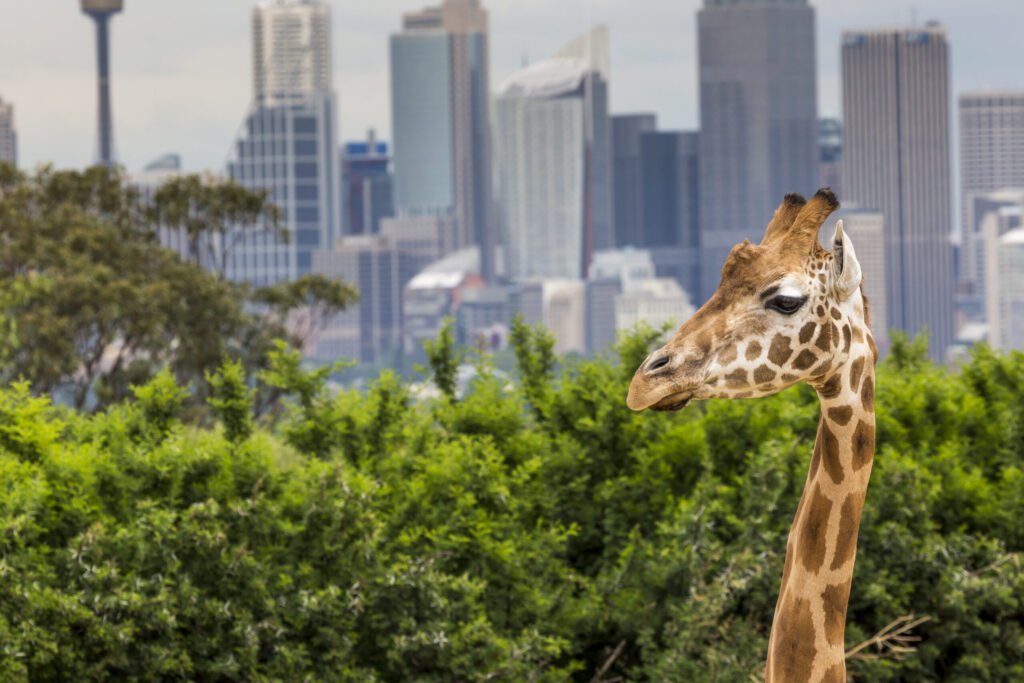
- You’ll need a lot of money and resource to run your own zoo. It’s more of a passion project than a profit-driven business.
- Get insurance and a licence. Write to your local authority about your wish to open a zoo before you apply for a licence.
- The zoo must be an educational facility and meet conservation standards.
There are around 330 zoos (including aquariums/aquaria) in the UK, 45 per cent of which are privately owned. With local authorities only responsible for a small minority of zoos in the country, surely there’s a market for privately owning and operating a zoo. But there may be a lot more to it.
British entrepreneur Benjamin Mee famously bought a failing zoo for £1.1 million in Devon to turn it into a profit-making business. Mee reportedly spent £3,000 per week in bills, animal feed and wages, which means he needed at least 60,000 visitors a year to break even. His hard work turned Dartmoor Zoological Park into a money-making attraction, but Mee’s story may be atypical. Here’s what you need to get started.
- Money, and lots of it
- A licence
- Insurance
- Trained staff
- Animals
- Basic rules for running a zoo
- Know your ROI
Money, and lots of it
It goes without saying that you need to love animals to buy a zoo, but the most important thing is capital on hand. Zoos can cost anywhere from hundreds of thousands to millions of pounds. For example, Animalarium, a small zoo in Wales was put up for sale in 2016 for £650,000, which included over 12 acres of land and 300 animal species. Utilities and feed costs can differ depending on the size of the zoo and the types of animals you host. It costs £8,500 per day to run Paradise Wildlife Park, for example, which adds up to roughly £3.1 million per year.
A licence
You will need to apply for a licence to operate a zoo to start, and make sure the premises are compliant to any and all laws.
Apply to your local council for a licence if you’re displaying wild animals to the public for at least seven days out of the year (and you’re not a circus or pet shop, but I think that’s a given). Go with the local authority where most of your zoo will cover. You must write to them and give them two months’ notice that you’re planning to start a zoo before you apply for a licence. Give them details about:
- Where the zoo is
- What kind of animals you’ll keep and how many
- How you’ll care for the animals
- How you’ll meet conservation standards
- Expected visitor numbers
- Where the entry and exit points will be
Zoos are subject to regular inspections by the local authority, which has the power to issue hefty fines or even close you down if standards aren’t maintained.
You could be hit with a fine of up to £2,500 if you run a zoo without a licence or you don’t meet the requirements of the licence.
Don’t take it lightly. It could lead to a fine of up to £1,000 if you don’t display your zoo licence properly or prevent a zoo inspector from doing their job properly.
That’s not where the potential fines end. South Lakes Zoo in Cumbria, for example, was fined a total of £255,000 for breaking health and safety laws when a Sumatran tiger mauled a zookeeper to death.
Insurance
To prepare for any unexpected accidents and for the safety and care of the animals in the zoo, insurance will be vital. Specialist zoo insurance can help when starting out, covering anything from product and public liability insurance, to specialist cover for loss of attractions, loss of licence, worldwide transit of animals, worldwide cover for employees, full theft, foot and mouth disease and bird flu, et cetera.
Insurers such as Markel, Lycetts, LMRS Insurance Services and Peacock Insurance Services can provide cover.
Trained staff
Zookeepers are essential for any zoo. Salaries for trained staff ranges from £19,000 to £28,000, which can add up depending on the size and number of experts you need. You’ll also need caretakers, ticket sellers, cleaning and catering staff, and administrative office workers to operate a zoo that can cater to visitors. On the plus side, on-site cafes, restaurants and gift shops can also be an added source of income.
Animals
Owning animals can be tricky business, especially if you’re looking to house exotic wildlife. Zoos have not brought or bought animals directly from the wild since the 1970s, unless they are rescued. Animals are either bred in captivity or traded between zoos, so getting animals into your zoo won’t cost you anything. However, caring for them in the form of providing food, shelter and medical care are all expensive. You may need to have veterinary staff on-site around the clock.
Basic rules for running a zoo
As a basic requirement, zoo owners should protect their animals, feed them and design suitable enclosures as per the Zoo Licensing Act of 1981.
- Mandatory participation: a zoo must legally participate in at least one activity outlined in the Act, either in conservation research, training, or breeding of wild animals in captivity.
- Promote education and awareness: Zoos must educate the public on conservation and biodiversity.
- Accommodate animals properly: The Act requires zoos to offer conditions that satisfy the biological and conservation requirements of a species. You can’t have tropical animals out in UK winter, or penguins out during summer, for example.
- Escape countermeasures: Zoos are required to prevent animals from escaping, and be prepared in the unlikely event any species breaks out or is released by accident.
- Pest control: Zoos are also required to prevent the intrusion of pests and vermin.
Know your ROI
Buying and running a zoo is more a passion project than a get-rich-quick venture for most. Ultimately, zoos are more focused on wildlife conservation than on profit, so keep that in mind from the outset. Around 90 per cent of the total revenue for zoos comes from gate fees, so footfall is everything in the business.
Chester Zoo is the UK’s most popular, managing 2.1 million visits in 2025. Ticket prices vary depending on dates and age, but an adult ticket price of £38.00 a ticket means the Zoo earned an approximate £63.1 million in revenue in 2024.
Zoos aren’t necessarily a money pit, however. The Paradise Wildlife Park, for example, was bought for £100,000 in 1984, but is now valued at £5 million, welcoming 200,000 visitors a year. If managed and marketed aggressively, a zoo could be a profitable venture.
You can find your next career move over at the Growth Business Job Board
Read more
Embedded insurance strategies for growth businesses – We delve in to what embedded insurance is, how it can help your business to grow and the challenges you need to know about