The global stock market’s reaction to the escalating conflict in the Middle East has sent shockwaves through the US futures market, with indices showing a significant uptick in hopes of a swift resolution to the crisis. This development has far-reaching implications for business news in Australia, where companies are closely watching the situation to gauge its potential impact on their bottom line. As tensions ease and hopes for a peaceful conclusion grow, investors are reassessing their risk appetite, leading to a surge in US stock futures. This shift is a major talking point among business leaders and economists, who warn that the situation remains fluid and subject to sudden changes.
What Is Happening
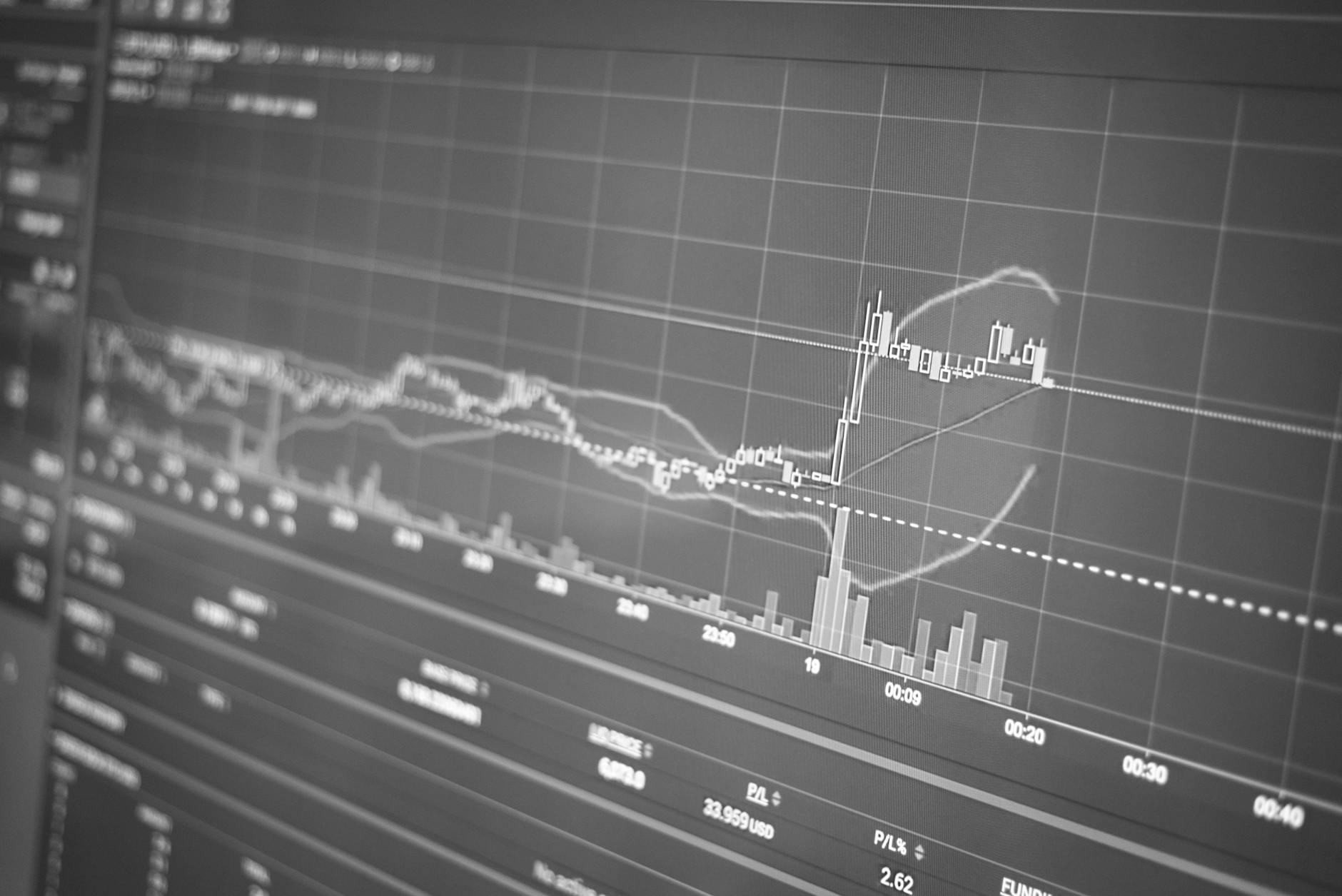
The ongoing conflict in the Middle East has created a sense of unease among investors worldwide, with the US stock market being no exception. In the past 24 hours, US stock futures have experienced a significant surge, with the S&P 500 futures rising by 1.5% and the Dow Jones Industrial Average futures increasing by 1.8%. This uptick can be attributed to the growing optimism among investors that a peaceful resolution to the crisis is within reach. The US futures market is reacting to the latest developments in the conflict, with traders and investors closely monitoring the situation to gauge its potential impact on the global economy.
The rise in US stock futures is also being driven by a decrease in tensions between the US and Iran, which has led to a decline in the price of oil. The price of Brent crude, a global benchmark, has dropped by 2.5% in the past 24 hours, which is a significant relief for consumers and businesses alike. This development has also led to a decrease in the value of the US dollar, which is making imports cheaper and potentially boosting economic growth.
Why It Matters
The impact of the Middle East conflict on the global economy and business news in Australia cannot be overstated. The conflict has already resulted in a significant increase in oil prices, which has led to higher fuel costs for consumers and businesses. This has had a ripple effect on the economy, with many companies experiencing increased production costs and reduced profit margins. The surge in US stock futures is a welcome development, as it suggests that investors are becoming more optimistic about the global economy and the potential resolution to the conflict.
However, the situation remains fluid, and business leaders and economists are warning that the conflict could still have a significant impact on the global economy. The Australian economy is heavily reliant on international trade, and any disruption to global supply chains could have a significant impact on local businesses. The Australian stock market has been closely watching the situation, with many companies experiencing increased volatility in recent days.

Key Drivers
There are several key drivers behind the surge in US stock futures, including the growing optimism among investors that a peaceful resolution to the conflict is within reach. The recent decrease in tensions between the US and Iran has led to a decline in the price of oil, which is making imports cheaper and potentially boosting economic growth. The US stock market is also being driven by a decrease in interest rates, which is making borrowing cheaper and increasing consumer spending.
The Australian dollar is also playing a significant role in the surge in US stock futures, with the AUD/USD exchange rate experiencing a significant decline in recent days. This decline is making imports cheaper and potentially boosting economic growth. However, the Australian economy is also heavily reliant on international trade, and any disruption to global supply chains could have a significant impact on local businesses.
Impact on Australia
The impact of the Middle East conflict on Australia’s business news landscape cannot be overstated. The conflict has already resulted in a significant increase in oil prices, which has led to higher fuel costs for consumers and businesses. This has had a ripple effect on the economy, with many companies experiencing increased production costs and reduced profit margins. The surge in US stock futures is a welcome development, as it suggests that investors are becoming more optimistic about the global economy and the potential resolution to the conflict.
However, the situation remains fluid, and business leaders and economists are warning that the conflict could still have a significant impact on the Australian economy. The Australian stock market has been closely watching the situation, with many companies experiencing increased volatility in recent days. The Reserve Bank of Australia (RBA) has also been monitoring the situation, with Governor Philip Lowe warning that the conflict could have a significant impact on the global economy and the Australian dollar.

Expert Outlook
Business leaders and economists are warning that the situation remains fluid and subject to sudden changes. The conflict in the Middle East has created a sense of uncertainty among investors, and the global economy is bracing for a potential shock. The Australian economy is heavily reliant on international trade, and any disruption to global supply chains could have a significant impact on local businesses.
However, many experts believe that the surge in US stock futures is a welcome development, as it suggests that investors are becoming more optimistic about the global economy and the potential resolution to the conflict. The RBA has also been monitoring the situation, with Governor Philip Lowe warning that the conflict could have a significant impact on the global economy and the Australian dollar.
What to Watch
The conflict in the Middle East is a developing story, and investors and business leaders will need to closely watch the situation to gauge its potential impact on the global economy. The Australian stock market has been experiencing increased volatility in recent days, and many companies are bracing for a potential shock. The RBA has also been monitoring the situation, with Governor Philip Lowe warning that the conflict could have a significant impact on the global economy and the Australian dollar.
Investors will need to closely watch the price of oil, which has been a key driver behind the surge in US stock futures. Any increase in oil prices could have a significant impact on the global economy and the Australian dollar. The Australian economy is heavily reliant on international trade, and any disruption to global supply chains could have a significant impact on local businesses.
In conclusion, the surge in US stock futures is a welcome development, as it suggests that investors are becoming more optimistic about the global economy and the potential resolution to the conflict. However, the situation remains fluid, and business leaders and economists are warning that the conflict could still have a significant impact on the Australian economy.