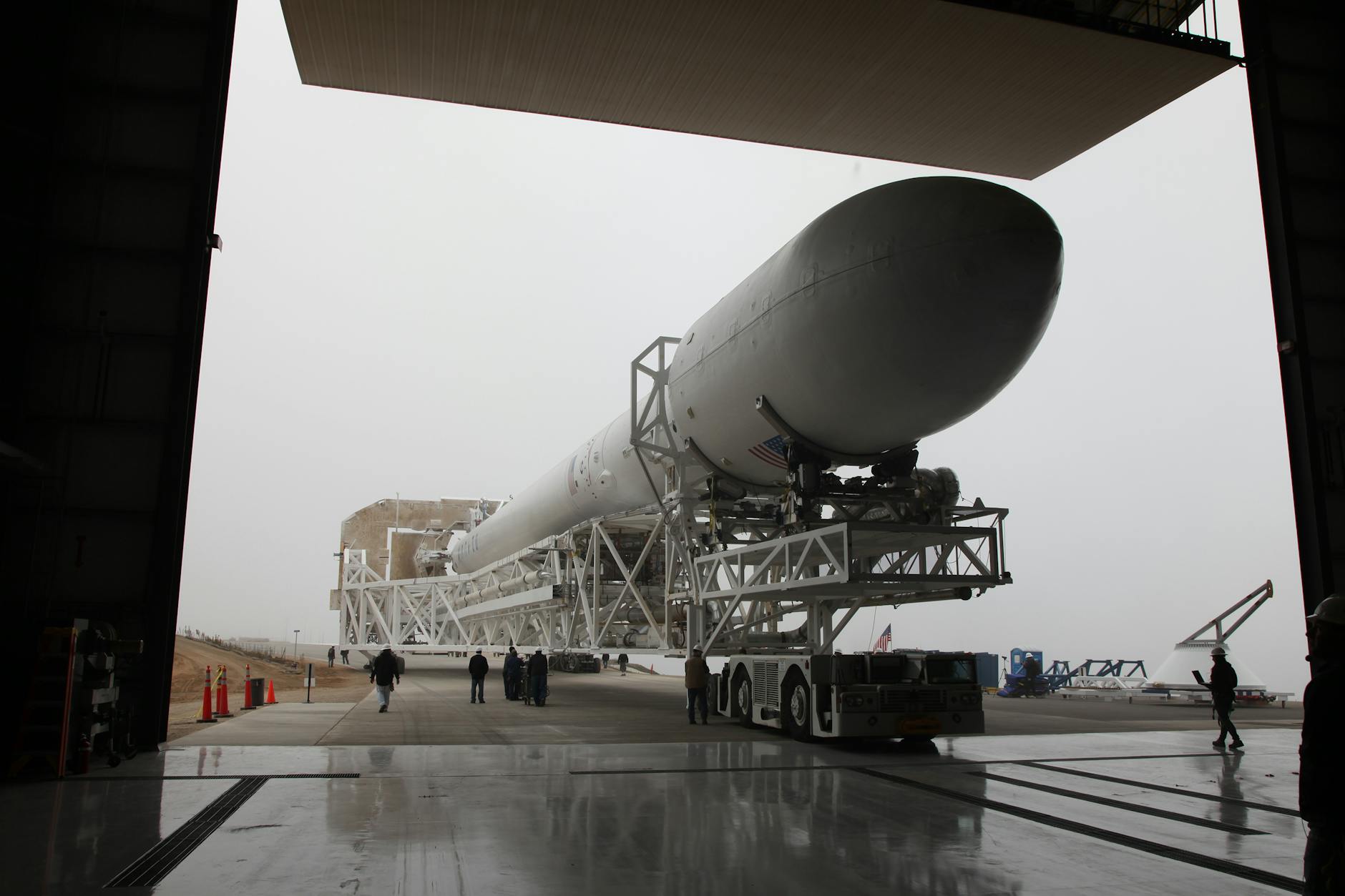
As the Australian startup scene continues to thrive, with companies like Atlassian and Linktree making waves globally, a new player is about to enter the fray, potentially disrupting the fragile initial public offering (IPO) market. SpaceX, the brainchild of Elon Musk, is gearing up for a blockbuster listing that could suck the oxygen out of the market, leaving other startups gasping for attention. This development has significant implications for Australian startups, which have been enjoying a surge in funding and interest in recent years. With the local market already experiencing a slowdown in IPO activity, the entry of a giant like SpaceX could further exacerbate the situation, making it challenging for smaller players to get noticed. As the startup ecosystem in Australia waits with bated breath, one question looms large: will the SpaceX listing be a blessing or a curse for local startups?
What Is Happening
The SpaceX listing is being touted as one of the most highly anticipated IPOs in recent history, with the company’s valuation expected to exceed $100 billion. This would make it one of the largest listings of all time, dwarfing other notable IPOs like Uber and Facebook. The sheer scale of the listing is likely to dominate headlines and capture the attention of investors, potentially diverting focus away from other startups. Australian companies, which have been working hard to gain traction in the market, may find themselves struggling to get noticed amidst the SpaceX frenzy. Furthermore, the listing is expected to attract a significant amount of capital, which could lead to a drying up of funds for other startups. This could have a ripple effect on the entire ecosystem, making it challenging for companies to secure funding and grow.
Why It Matters
The potential impact of the SpaceX listing on the Australian startup scene cannot be overstated. With the local market already experiencing a slowdown in IPO activity, the entry of a giant like SpaceX could further exacerbate the situation. According to a recent report, the number of IPOs in Australia has decreased significantly over the past year, with many companies opting to stay private or explore alternative funding options. The SpaceX listing could make it even more challenging for local startups to go public, as investors become increasingly risk-averse and focus on the perceived safety of a proven player like SpaceX. Moreover, the listing could also lead to a brain drain of sorts, as top talent from Australian startups may be lured away by the promise of working for a high-profile company like SpaceX. This could have long-term implications for the growth and development of the local startup ecosystem.

Key Drivers
So, what are the key drivers behind the potential impact of the SpaceX listing on the Australian startup scene? One major factor is the sheer scale of the listing, which is expected to dominate headlines and capture the attention of investors. Another factor is the perceived safety of investing in a proven player like SpaceX, which could lead to a flight to quality and a decrease in appetite for riskier investments like startups. Additionally, the listing could also lead to a surge in interest in space-related technologies, which could be a double-edged sword for Australian startups. On the one hand, it could lead to increased investment and attention for local companies working in this space. On the other hand, it could also lead to increased competition and a brain drain of top talent. Finally, the listing could also have broader implications for the Australian economy, as the country looks to diversify its industries and reduce its reliance on traditional sectors like mining and finance.
Impact on Australia
The potential impact of the SpaceX listing on Australia is multifaceted and far-reaching. On the one hand, the listing could lead to increased investment and attention for local startups working in the space technology sector. This could be a significant boon for companies like Gilmour Space Technologies, which is working on developing low-cost launch vehicles for small satellites. On the other hand, the listing could also lead to increased competition and a brain drain of top talent, as Australian startups struggle to compete with the likes of SpaceX. Moreover, the listing could also have broader implications for the Australian economy, as the country looks to diversify its industries and reduce its reliance on traditional sectors like mining and finance. The government may need to rethink its policies and incentives to support the growth of local startups, particularly in the space technology sector. This could include initiatives like tax breaks, funding schemes, and programs to support the development of talent and infrastructure.

Expert Outlook
So, what do experts think about the potential impact of the SpaceX listing on the Australian startup scene? According to Dr. Jana Matthews, a leading expert on entrepreneurship and innovation, the listing could be a wake-up call for Australian startups. “The SpaceX listing is a reminder that the startup ecosystem is global, and Australian companies need to be competitive on a global scale,” she says. “While the listing may present some challenges, it also presents opportunities for local startups to innovate and differentiate themselves.” Meanwhile, Andrew Twiggy Forrest, the founder of Fortescue Metals Group, believes that the listing could have significant implications for the Australian economy. “The SpaceX listing is a game-changer for the space industry, and Australia needs to be at the forefront of this development,” he says. “We need to support our local startups and provide them with the resources and infrastructure they need to compete on a global scale.”
What to Watch
As the SpaceX listing approaches, there are several things that Australian startups and investors should be watching closely. First and foremost, they should be monitoring the market’s reaction to the listing, and how it affects the appetite for riskier investments like startups. They should also be watching for any changes in government policies and incentives, as the government looks to support the growth of local startups. Additionally, they should be keeping an eye on the development of space-related technologies, and how they can be leveraged to drive innovation and growth in other sectors. Finally, they should be watching for any opportunities for collaboration and partnership between Australian startups and SpaceX, which could provide a significant boost to the local ecosystem. As the startup scene in Australia continues to evolve, one thing is clear: the SpaceX listing will be a major catalyst for change, and companies need to be prepared to adapt and innovate in order to thrive.