Key Takeaways
- Inflation rises 8.6% year-over-year
- Gold notches weekly gain
- Investors seek safe-haven assets
- Recession concerns spark market volatility
As the Federal Reserve’s latest inflation report revealed, prices in the United States rose at the fastest pace in nearly four decades, with the Consumer Price Index (CPI) increasing by 8.6% year-over-year. This alarming figure has sparked concerns among investors, sending shockwaves throughout the financial markets. The ripple effects of this inflationary surge can be seen in the sharp appreciation of gold, which has notched a weekly gain despite a mixed performance in the broader market. This unexpected shift has left many questioning why the precious metal is buckling in the face of rising interest rates, while others are taking a more cautious approach to their investments. As the US economy teeters on the edge of a recession, the value of gold as a safe-haven asset has never been more pronounced. In this piece, we take a closer look at the factors driving the gold market’s recent volatility and the implications for investors.
The Full Picture
The surge in inflation has created a perfect storm of uncertainty for investors, with the potential for a recession looming large. As the cost of living continues to rise, consumers are facing a harsh reality: lower purchasing power and reduced disposable income. This has significant implications for the broader economy, with many experts warning of a potential downturn in the coming months. In response, the Federal Reserve has taken a more aggressive stance on interest rates, hiking the federal funds rate by 0.75 percentage points in March, its largest increase since 1994. This move has had a ripple effect on the bond market, with yields on long-term Treasuries soaring to levels not seen since the 2008 financial crisis.
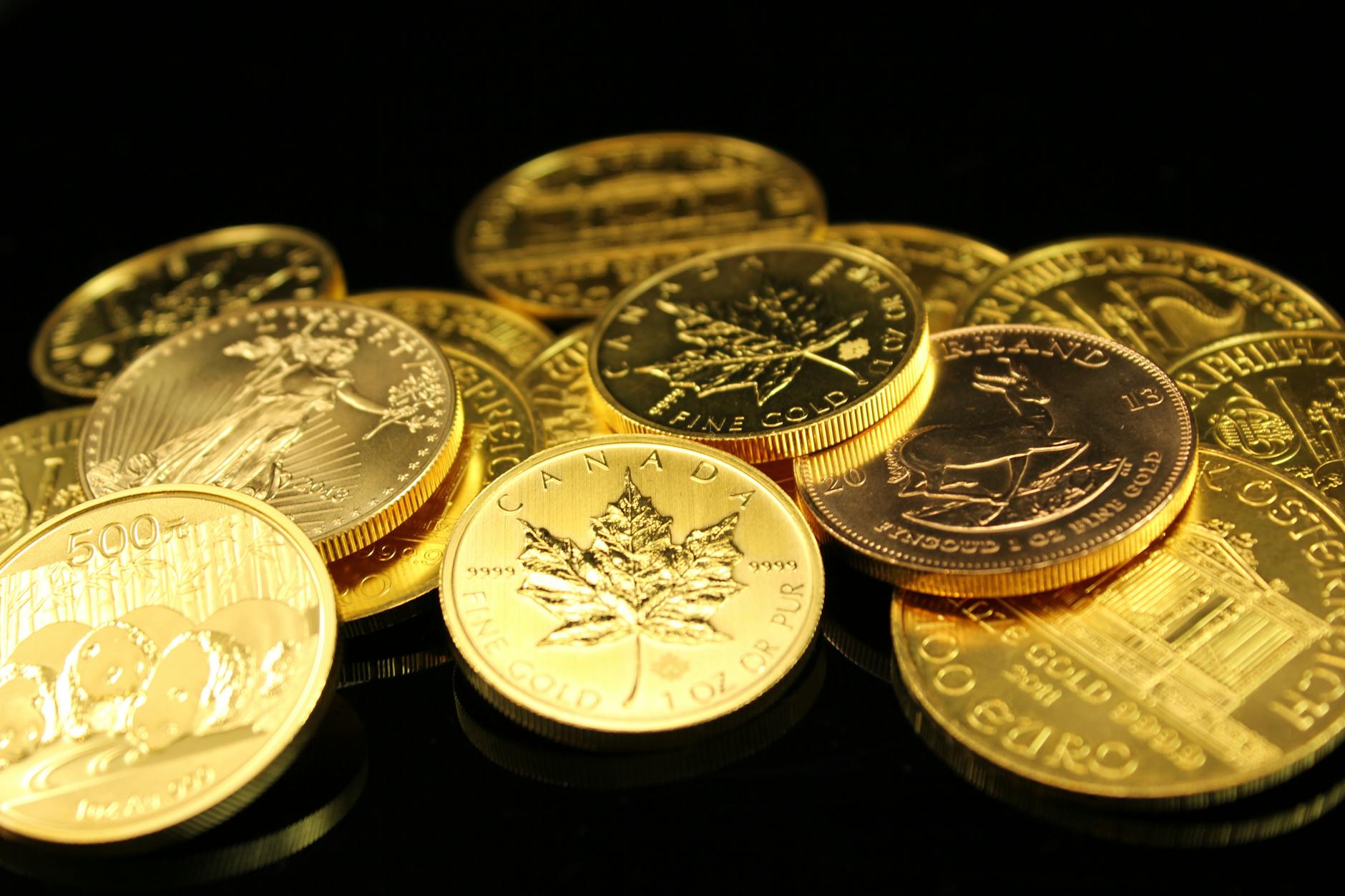
Despite the economic uncertainty, gold has proven to be a reliable safe-haven asset, attracting investors seeking a hedge against inflation and market volatility. The precious metal has been in high demand, with the SPDR Gold Shares ETF (GLD) reporting a 13% increase in assets under management in the past month alone. This surge in demand has pushed the price of gold to a six-month high, with the spot price now trading at around $2,000 per ounce. Analysts at major brokerages have flagged the potential for gold to reach $2,500 per ounce in the coming months, fueled by a continued rise in inflation and a weakening dollar.
Root Causes
At the heart of the inflation conundrum lies a complex web of factors, each contributing to the rising cost of living. The war in Ukraine has disrupted global supply chains, leading to shortages and price spikes in key commodities such as wheat, corn, and sunflower oil. The resulting shortages have had a ripple effect on the broader economy, driving up the cost of food, fuel, and other essential goods. Additionally, the ongoing COVID-19 pandemic has exacerbated supply chain disruptions, while the subsequent lockdowns in China have further constrained global production.
The Federal Reserve’s aggressive stance on interest rates is also a key driver of inflation, as higher borrowing costs reduce demand for goods and services. However, this approach has its drawbacks, as a recession is often a lagging indicator of monetary policy actions. As the economy slows, businesses may be forced to cut back on production, leading to further job losses and a reduction in consumer spending. This vicious cycle is a major concern for policymakers, who must navigate a delicate balance between controlling inflation and supporting economic growth.

Market Implications
The recent surge in gold prices has sent shockwaves throughout the financial markets, with investors questioning the implications for their portfolios. The metal’s rise has led to a sharp decline in the US dollar, which has dropped to a 20-year low against a basket of major currencies. This weakening of the dollar has significant implications for international trade, as a cheaper currency makes US exports more competitive in the global market. However, it also increases the cost of imports, leading to higher prices for consumers.
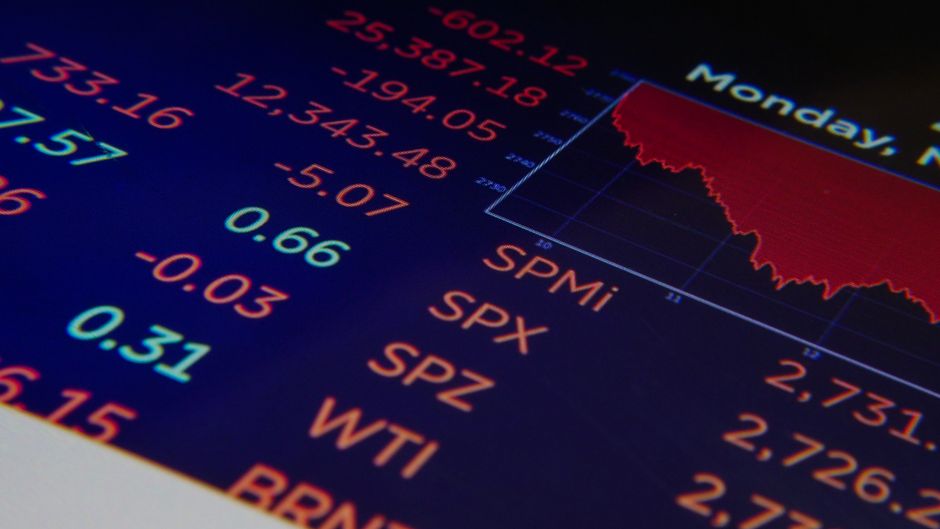
The impact on the broader market is equally concerning, as a weaker dollar has led to a decline in the value of international assets, including bonds and equities. This has resulted in a sharp increase in volatility, with many investors taking a more cautious approach to their investments. The S&P 500, for instance, has dropped by 10% in the past month, while the Nasdaq has fallen by 12%. As investors seek safe-haven assets, they are turning to gold, which has proven to be a reliable store of value in times of economic uncertainty.
How It Affects You
The recent surge in gold prices has significant implications for individual investors, who must navigate a complex and rapidly changing market environment. For those seeking a hedge against inflation, gold remains an attractive option, offering a tangible store of value in times of economic uncertainty. However, investors must also consider the risks associated with investing in gold, including the potential for a sharp decline in price if inflation subsides.
The rise of gold has also had a significant impact on the broader economy, as consumers seek to protect their purchasing power. With inflation at a 40-year high, many households are struggling to make ends meet, leading to a reduction in consumer spending and a decline in economic growth. As policymakers grapple with the challenges of inflation, investors must take a long-term view, considering the potential for a recession and the impact on the broader market.

Sector Spotlight
The gold market has experienced a significant shift in recent months, with investors turning to the precious metal in search of a safe-haven asset. The sector has seen a surge in demand, with the SPDR Gold Shares ETF (GLD) reporting a 13% increase in assets under management in the past month alone. This has led to a sharp increase in the price of gold, with the spot price now trading at around $2,000 per ounce.
The rise of gold has also had a significant impact on the broader mining sector, with companies such as Newmont (NEM) and Barrick Gold (GOLD) seeing a sharp increase in their share prices. These companies have benefited from the surge in gold prices, which has led to a significant increase in revenue and profitability. However, investors must also consider the risks associated with investing in the mining sector, including the potential for a decline in gold prices and the challenges of extracting the precious metal from the earth.
Expert Voices
As the gold market continues to experience significant volatility, investors are seeking guidance from expert analysts and policymakers. In a recent interview, Federal Reserve Chairman Jerome Powell acknowledged the challenges of inflation, stating that the central bank would continue to take a “data-dependent” approach to monetary policy. This has led to a sharp increase in interest rates, which has had a significant impact on the broader market.
Analysts at major brokerages have flagged the potential for gold to reach $2,500 per ounce in the coming months, fueled by a continued rise in inflation and a weakening dollar. However, others have warned of a potential correction in the gold price, citing the potential for a decline in inflation and a strengthening dollar. As investors navigate this complex market environment, they must consider the perspectives of expert analysts and policymakers, while also taking a long-term view of the market.

Key Uncertainties
Despite the significant surge in gold prices, there remain several key uncertainties that investors must consider. The potential for a recession is a major concern, as a decline in economic growth would have a significant impact on the demand for gold. Additionally, the ongoing war in Ukraine and the subsequent sanctions on Russia have led to a significant increase in global uncertainty, driving up the price of gold.
The Federal Reserve’s aggressive stance on interest rates is also a key uncertainty, as higher borrowing costs reduce demand for goods and services and lead to a decline in economic growth. While the central bank has stated that it will continue to take a “data-dependent” approach to monetary policy, investors must consider the potential risks associated with this approach, including the potential for a sharp decline in the economy.
Final Outlook
As the gold market continues to experience significant volatility, investors must take a long-term view of the market. The precious metal has proven to be a reliable safe-haven asset in times of economic uncertainty, and its price is likely to continue to rise in the coming months. However, investors must also consider the risks associated with investing in gold, including the potential for a decline in price if inflation subsides.
The broader market is also experiencing significant volatility, with investors taking a more cautious approach to their investments. The S&P 500 has dropped by 10% in the past month, while the Nasdaq has fallen by 12%. As investors seek safe-haven assets, they are turning to gold, which has proven to be a reliable store of value in times of economic uncertainty.