Key Takeaways
- Prices hover around $64.50 per barrel
- Investors watch Trump's China visit
- Uncertainty stabilizes oil prices
- Markets await trade agreements
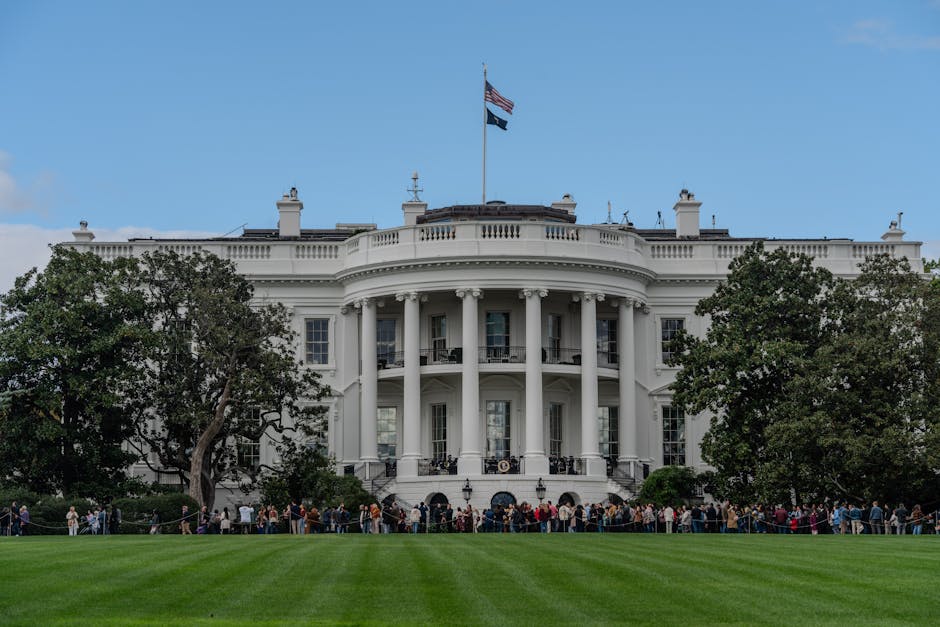
As the world watches, the price of oil barely budged yesterday, hovering around $64.50 per barrel, despite a significant development on the global stage – US President Donald Trump’s impending visit to China. This development, which has sent ripples through the markets, has left investors and energy analysts alike wondering what this might mean for the oil sector. The uncertainty surrounding this trip, with its potential for trade agreements and geopolitical implications, has kept oil prices relatively stable, for now. But what does this mean for the oil market, and how will it affect investors and companies within the sector?
Breaking It Down
Let’s start with the basics. Oil prices have been on a rollercoaster ride since the Iran-US conflict escalated in May 2019. The tensions have kept prices relatively high, with Brent crude reaching a peak of $74.85 in August 2019. However, as the conflict has eased, prices have begun to dip. Yesterday’s price movement, with oil prices slipping by barely 0.2%, is just the latest development in this ongoing saga. Analysts at major brokerages have flagged the importance of the Iran-US conflict in shaping the oil market, with many predicting that any change in the situation could have significant implications for prices.
In the United States, West Texas Intermediate (WTI) oil prices have been largely driven by the global supply and demand balance. With the country being one of the world’s largest oil consumers, any changes in global production or consumption patterns can have a significant impact on WTI prices. The US Energy Information Administration (EIA) has been closely monitoring the global oil market, with their weekly reports providing valuable insights into the current state of the market. However, the EIA has also warned that the global oil market remains highly volatile, with factors such as geopolitics, economic trends, and weather patterns all playing a significant role in shaping prices.
The Bigger Picture
The Trump visit to China is not just a domestic issue – it has significant implications for the global economy. The two countries have been locked in a trade war for over a year, with tariffs and counter tariffs impacting a wide range of industries. The visit has been seen as a potential breakthrough in these negotiations, with many analysts predicting that a trade deal could be reached. However, any agreement would also have significant implications for the oil market, with China being one of the world’s largest oil consumers.
In this context, the Iranian oil crisis takes on a whole new dimension. With Iran’s oil production currently at a 40-year low, the country is struggling to maintain its oil exports. The US sanctions on Iran have had a significant impact on the country’s ability to export oil, with many major oil companies pulling out of the country. The Iranian oil crisis has also had a significant impact on the global oil market, with prices being pushed up by concerns over supply.

Who Is Affected
The impact of the Iranian oil crisis and the Trump visit to China will be felt across the oil sector. Oil companies such as ExxonMobil, Chevron, and ConocoPhillips have significant operations in the Middle East, with ExxonMobil being one of the largest oil producers in Iran. These companies will be closely monitoring the situation, with any changes in the Iranian oil crisis having significant implications for their operations and profitability.
In addition to the oil companies, investors in the oil sector will also be affected. With oil prices volatile, investors will be closely monitoring the situation, with any changes in prices having a significant impact on their investments. The oil sector is also a significant contributor to the US economy, with the EIA estimating that the sector contributes around 5.6% to the country’s GDP.
The Numbers Behind It
Let’s take a closer look at the numbers behind the oil market. According to the EIA, global oil consumption has been steadily increasing over the past decade, with the country being one of the world’s largest oil consumers. In 2020, the US consumed around 19.8 million barrels of oil per day, with this number expected to increase to 20.5 million barrels per day by 2025.
In terms of production, the US has been increasing its oil production over the past decade, with the country becoming one of the world’s largest oil producers. In 2020, the US produced around 12.2 million barrels of oil per day, with this number expected to increase to 13.3 million barrels per day by 2025.
Market Reaction
The market reaction to the Trump visit to China has been largely positive, with oil prices stabilizing at around $64.50 per barrel. However, this stability is short-lived, with prices expected to remain volatile in the coming weeks. Analysts at major brokerages have warned that the global oil market remains highly unpredictable, with factors such as geopolitics, economic trends, and weather patterns all playing a significant role in shaping prices.
In the United States, the Federal Reserve has been closely monitoring the situation, with the central bank warning that the global economy remains highly uncertain. The Fed has also stated that the trade war between the US and China has had a significant impact on the global economy, with many businesses struggling to adapt to the changing trade landscape.
Analyst Perspectives
Analysts at major brokerages have been closely monitoring the situation, with many predicting that the Trump visit to China will have significant implications for the oil market. “The Iranian oil crisis has had a significant impact on the global oil market, and any changes in the situation will have significant implications for prices,” said Andrew Lipow, a senior analyst at Lipow Oil Associates. “The Trump visit to China is a significant development in this situation, with many analysts predicting that a trade deal could be reached.”
In addition to the analysts, industry experts have also been weighing in on the situation. “The global oil market remains highly unpredictable, with factors such as geopolitics, economic trends, and weather patterns all playing a significant role in shaping prices,” said Fadel Gheit, a senior analyst at Oppenheimer & Co. “The Iranian oil crisis has had a significant impact on the global oil market, and any changes in the situation will have significant implications for prices.”

Challenges Ahead
Despite the positive market reaction to the Trump visit to China, the oil sector still faces significant challenges ahead. The Iranian oil crisis remains a significant concern, with the country struggling to maintain its oil exports. The US sanctions on Iran have had a significant impact on the country’s ability to export oil, with many major oil companies pulling out of the country.
In addition to the Iranian oil crisis, the oil sector also faces significant challenges related to climate change. Many countries have committed to reducing their greenhouse gas emissions, with the Paris Agreement calling for a global reduction in emissions by 2050. The oil sector is a significant contributor to greenhouse gas emissions, with many analysts predicting that the sector will face increasing pressure to reduce its emissions in the coming years.
The Road Forward
As the global oil market continues to evolve, investors and companies within the sector will need to be closely monitoring the situation. The Iranian oil crisis remains a significant concern, with any changes in the situation having significant implications for prices. The Trump visit to China is a significant development in this situation, with many analysts predicting that a trade deal could be reached.
In terms of investment, the oil sector remains a significant opportunity for investors. With oil prices volatile, investors will be closely monitoring the situation, with any changes in prices having a significant impact on their investments. However, investors will also need to be aware of the significant challenges facing the sector, including the Iranian oil crisis and climate change.
As the global oil market continues to evolve, one thing is clear – the sector remains highly unpredictable. With factors such as geopolitics, economic trends, and weather patterns all playing a significant role in shaping prices, investors and companies within the sector will need to be closely monitoring the situation. The Iranian oil crisis and the Trump visit to China are just the latest developments in this ongoing saga – and as the situation continues to unfold, one thing is clear – the oil sector remains a significant story to watch.
Frequently Asked Questions
How will Trump's visit to China impact the oil market?
Trump's visit to China may have a significant impact on the oil market, as the two countries are major players in global oil trade. The visit could lead to discussions on trade agreements, tariffs, and energy policies, which may influence oil prices and production levels. Any agreements or tensions arising from the visit could affect the global oil supply and demand, thereby impacting oil prices.
What are the key oil-related issues that Trump is likely to discuss with China?
During his visit to China, Trump is likely to discuss oil-related issues such as trade agreements, energy security, and cooperation on oil production and refining. He may also raise concerns about China's growing oil imports and its impact on the global oil market. Additionally, Trump may discuss the potential for US oil exports to China, which could help reduce the US trade deficit.
How will the US-China trade relationship affect oil prices?
The US-China trade relationship has a significant impact on oil prices, as the two countries are major oil producers and consumers. If the trade talks between Trump and China lead to a reduction in tariffs and trade barriers, it could increase oil trade between the two countries, leading to more stable oil prices. On the other hand, if the talks fail, it could lead to increased tensions and volatility in the oil market.
What role will OPEC play in shaping the oil market during Trump's visit to China?
OPEC, the Organization of the Petroleum Exporting Countries, will continue to play a crucial role in shaping the oil market during Trump's visit to China. OPEC's production levels and policies will influence the global oil supply, which in turn will affect oil prices. Trump's discussions with China may also touch on OPEC's role in the global oil market, and any agreements or tensions arising from the visit may impact OPEC's decisions on production levels and prices.
How may Trump's energy policies influence the oil market during his visit to China?
Trump's energy policies, such as his support for US oil production and exports, may influence the oil market during his visit to China. He may discuss these policies with Chinese leaders, which could lead to increased cooperation on energy issues or tensions over competing energy interests. Trump's policies may also affect the global oil supply and demand, thereby impacting oil prices and the overall oil market.