
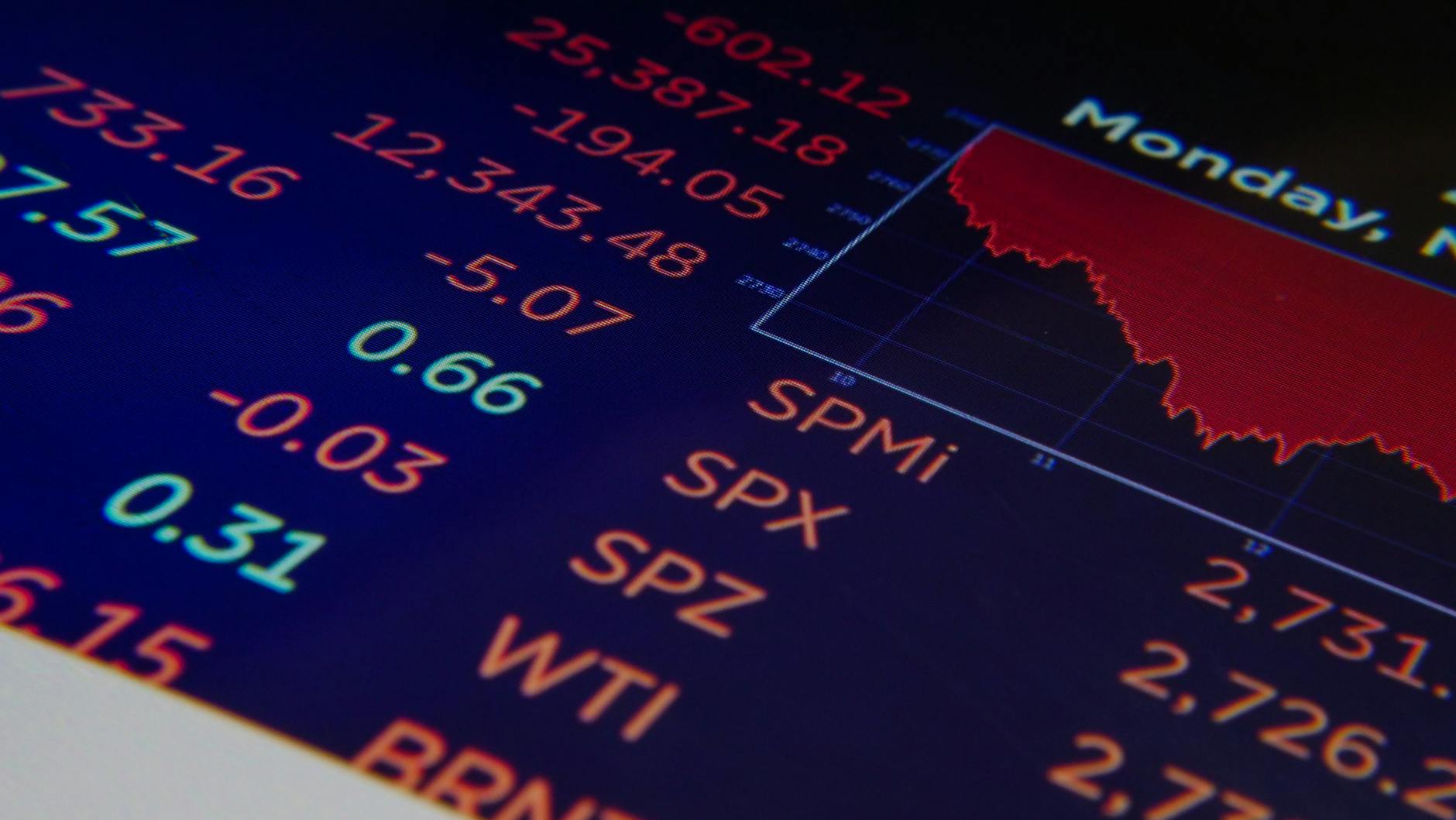
As the world teeters on the brink of a potentially catastrophic conflict in the Middle East, the Dow Jones futures have taken a severe hit, leaving investors reeling. The recent escalation of tensions in Iran has sent oil prices soaring to unprecedented heights, with the global benchmark, Brent crude, touching the $100 mark for the first time in years. The sell-off in the Dow Jones futures has been nothing short of brutal, with the index plummeting by over 300 points in a single session. This sudden and intense market volatility has left many investors in India wondering what to do next, as the ripple effects of the Iran war threaten to upend the country’s fragile economic recovery. With the Indian stock market already facing numerous headwinds, including a slowing economy and rising inflation, the last thing investors needed was another external shock to contend with. And yet, here we are, with the Dow Jones futures sell-off breaking hearts and testing the mettle of even the most seasoned investors.
What Is Happening
The recent surge in oil prices has been the primary driver of the Dow Jones futures sell-off. As the global economy slowly recovers from the pandemic-induced slump, any disruption to the supply chain, particularly in the oil market, can have far-reaching consequences. The Iran war has raised concerns about the potential disruption to oil supplies from the Middle East, which could lead to higher prices and slower economic growth. The impact on the Indian economy, which is heavily reliant on imported oil, could be particularly severe. With the country’s oil imports accounting for over 80% of its total consumption, any increase in oil prices will have a direct impact on the fiscal deficit, inflation, and overall economic growth. The Dow Jones futures sell-off is a reflection of these concerns, as investors scramble to reassess their risk exposure and adjust their investment strategies accordingly.
Why It Matters
The current market volatility matters for several reasons. Firstly, it highlights the interconnectedness of the global economy and the potential risks that arise from geopolitical tensions. The Iran war may seem like a distant concern for Indian investors, but its impact on the global oil market and, by extension, the Indian economy, cannot be overstated. Secondly, the Dow Jones futures sell-off serves as a reminder of the importance of diversification in investment portfolios. Investors who have over-exposed themselves to a particular asset class or sector may find themselves vulnerable to sudden and unexpected market shocks. Finally, the current market volatility underscores the need for investors to stay informed and up-to-date with the latest developments in the global economy. By doing so, they can make more informed investment decisions and navigate the complexities of the market with greater confidence.

Key Drivers
Several key drivers are contributing to the current market volatility. The Iran war is, of course, the most significant factor, but other drivers, such as the COVID-19 pandemic, the US-China trade war, and the rising tensions between India and its neighbors, are also playing a role. The pandemic, in particular, has had a profound impact on the global economy, with many countries still struggling to recover from the initial shock. The US-China trade war, which had seemed to be easing, has once again flared up, with both countries imposing tariffs on each other’s goods. And, in India, the tensions with Pakistan and China have raised concerns about the country’s national security and economic stability. These factors, combined with the Iran war, have created a perfect storm of uncertainty and volatility in the markets.
Impact on India
The impact of the Dow Jones futures sell-off on the Indian economy and stock market cannot be overstated. The Indian stock market, which had been performing reasonably well until recently, has taken a severe hit, with the Nifty and Sensex indices plummeting by over 2% in a single session. The rupee, which had been stable against the US dollar, has also begun to weaken, making imports more expensive and adding to the country’s fiscal woes. The Indian government, which had been struggling to boost economic growth, now faces an even more daunting task, as the higher oil prices and market volatility threaten to derail its plans for fiscal consolidation and economic reform. The impact on Indian companies, particularly those in the oil and gas sector, will also be significant, as they struggle to cope with the higher input costs and uncertain demand.

Expert Outlook
According to experts, the current market volatility is likely to persist for some time, as the Iran war and its aftermath continue to dominate the headlines. “The situation is extremely fluid, and it’s difficult to predict how things will play out,” says one expert. “However, one thing is certain – the higher oil prices and market volatility will have a significant impact on the Indian economy and stock market.” Another expert notes that the Indian government will need to take swift and decisive action to mitigate the impact of the higher oil prices and market volatility. “The government will need to consider a range of options, including cutting taxes, increasing subsidies, and implementing other fiscal measures to support the economy,” the expert says. “It’s a challenging situation, but with the right policies and strategies, India can navigate this difficult period and emerge stronger and more resilient.”
What to Watch
As the situation continues to unfold, there are several key factors that investors in India will need to watch closely. Firstly, the progress of the Iran war and its impact on the global oil market will be critical. Any escalation of the conflict could lead to further increases in oil prices, which would have a devastating impact on the Indian economy. Secondly, the response of the Indian government to the higher oil prices and market volatility will be crucial. The government will need to balance the need to support the economy with the need to maintain fiscal discipline and keep inflation under control. Finally, the performance of Indian companies, particularly those in the oil and gas sector, will be closely watched, as they struggle to cope with the higher input costs and uncertain demand. By keeping a close eye on these factors, investors in India can make more informed investment decisions and navigate the complexities of the market with greater confidence.




