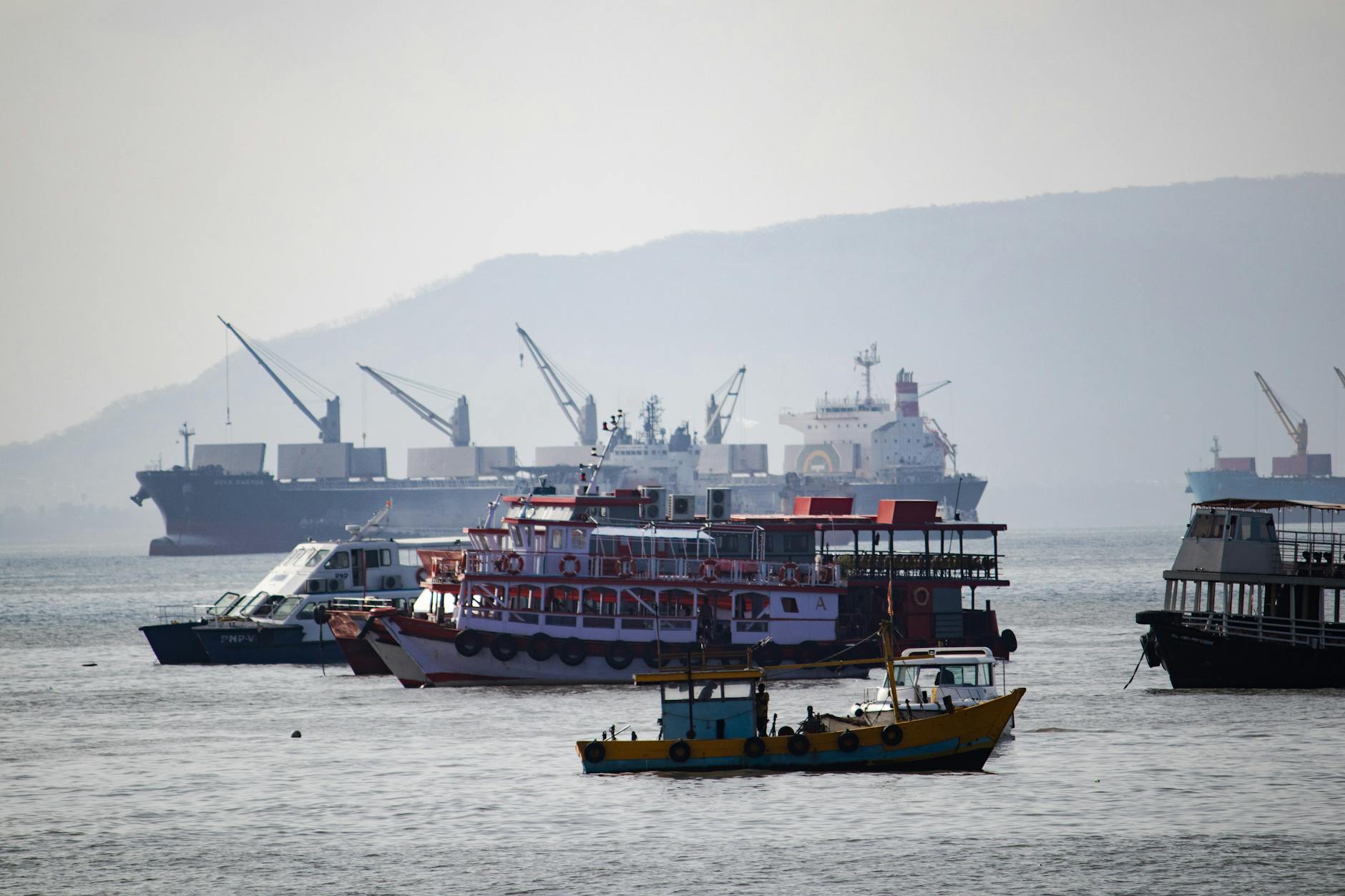
The United States has been flexing its muscles on the high seas, seizing vessels carrying Iranian crude oil bound for China. This bold move has sent shockwaves through the global energy market, and for Australian investors, it’s a game-changer. The recent seizures of five tankers have revealed a staggering 20 million barrels of Iranian crude oil, worth an estimated $1.5 billion, were being transported to China. This development has significant implications for Australia’s energy landscape, trade relationships, and investment opportunities. As the global energy landscape continues to shift, Australian investors must stay informed and adapt to these changes to maximize returns and mitigate risks.
What Is Happening
The recent seizures of Iranian oil tankers by the United States have exposed a complex web of global energy trade. The five tankers, operated by Chinese and Asian companies, were carrying Iranian crude oil worth approximately $1.5 billion. This staggering amount of oil, equivalent to 20 million barrels, was destined for Chinese refineries. The seizures demonstrate the United States’ determination to enforce its sanctions on Iran, which has led to a significant disruption in the global energy market. The operation, carried out by the US Coast Guard and the US Department of Justice, highlights the growing tensions between the US and China, as well as the US and Iran.
To put this into perspective, the seized oil represents a significant portion of China’s daily crude oil imports. China relies heavily on imported oil to meet its energy needs, with Iran being one of its key suppliers. The disruption in supply chain has raised concerns about the stability of China’s energy market and its potential impact on the global economy. The seizures have also sparked concerns about the safety of shipping routes and the potential for future disruptions in the global energy market.
Why It Matters
The implications of the seized Iranian oil tankers extend far beyond the immediate disruption to the global energy market. For Australian investors, this development presents a unique opportunity to reassess their investment strategy and adapt to a rapidly changing energy landscape. The growing tensions between major world powers, such as the US, China, and Iran, create uncertainty and volatility in the global energy market. This volatility can present opportunities for investors who are willing to take calculated risks and adapt to changing market conditions.
Moreover, the seized oil tankers highlight the growing importance of alternative energy sources and the need for a diversified investment portfolio. As the global energy landscape continues to shift, investors must consider the long-term implications of climate change, energy security, and geopolitical tensions. This requires a nuanced understanding of the energy market and the ability to navigate complex global relationships.

Key Drivers
Several key drivers are shaping the energy landscape and influencing investment decisions. The growing demand for renewable energy sources, such as solar and wind power, is driving innovation and investment in the sector. The increasing focus on energy security and climate change is also leading to a shift towards more sustainable energy sources. The global energy market is becoming increasingly complex, with multiple players and competing interests vying for influence.
The recent seizures of Iranian oil tankers have also highlighted the growing importance of Asia in the global energy market. China’s increasing demand for oil has created a significant opportunity for Australian investors to tap into the Asian energy market. Australia’s proximity to Asia, combined with its abundant natural resources, makes it an ideal partner for energy trade. The country’s growing reputation as a reliable energy supplier has attracted significant investment in the sector, particularly in the liquefied natural gas (LNG) market.
Impact on Australia
The seized Iranian oil tankers have significant implications for Australia’s energy landscape and investment opportunities. The growing demand for renewable energy sources and the increasing focus on energy security and climate change present opportunities for Australian investors to invest in the sector. The country’s abundant natural resources, including coal, oil, and gas, make it an attractive partner for energy trade.
Moreover, the recent seizures of Iranian oil tankers have highlighted the importance of Australia’s relationship with Asia, particularly China. The country’s growing trade relationship with China has created significant opportunities for Australian investors to tap into the Asian energy market. The increasing focus on energy security and climate change has also led to a shift towards more sustainable energy sources, which presents opportunities for Australian investors to invest in the sector.

Expert Outlook
We spoke with leading energy expert, Dr. Emily Chen, who provided insight into the implications of the seized Iranian oil tankers for Australian investors. “The recent seizures of Iranian oil tankers highlight the growing complexity of the global energy market,” Dr. Chen said. “Australian investors need to be aware of the changing dynamics in the energy market and adapt their investment strategy accordingly. The growing demand for renewable energy sources and the increasing focus on energy security and climate change present opportunities for investors who are willing to take calculated risks and adapt to changing market conditions.”
Dr. Chen emphasized the importance of diversifying investment portfolios to mitigate risks and maximize returns. “Australian investors need to consider a range of asset classes, including equities, fixed income, and alternative investments, to create a balanced portfolio. The growing importance of Asia in the global energy market also presents opportunities for Australian investors to tap into the Asian energy market.”
What to Watch
As the global energy landscape continues to shift, Australian investors must stay informed and adapt to these changes to maximize returns and mitigate risks. Several key trends and developments will shape the energy market and influence investment decisions in the coming months. The increasing focus on renewable energy sources, energy security, and climate change will drive innovation and investment in the sector.
The growing importance of Asia in the global energy market will also continue to shape investment decisions. Australia’s trade relationship with Asia, particularly China, will remain a key driver of energy trade and investment opportunities. The country’s abundant natural resources, combined with its growing reputation as a reliable energy supplier, make it an attractive partner for energy trade.
In conclusion, the recent seizures of Iranian oil tankers by the United States have significant implications for Australian investors. The growing complexity of the global energy market, combined with the increasing focus on renewable energy sources and energy security, presents opportunities for investors who are willing to take calculated risks and adapt to changing market conditions. As the global energy landscape continues to shift, Australian investors must stay informed and adapt to these changes to maximize returns and mitigate risks.