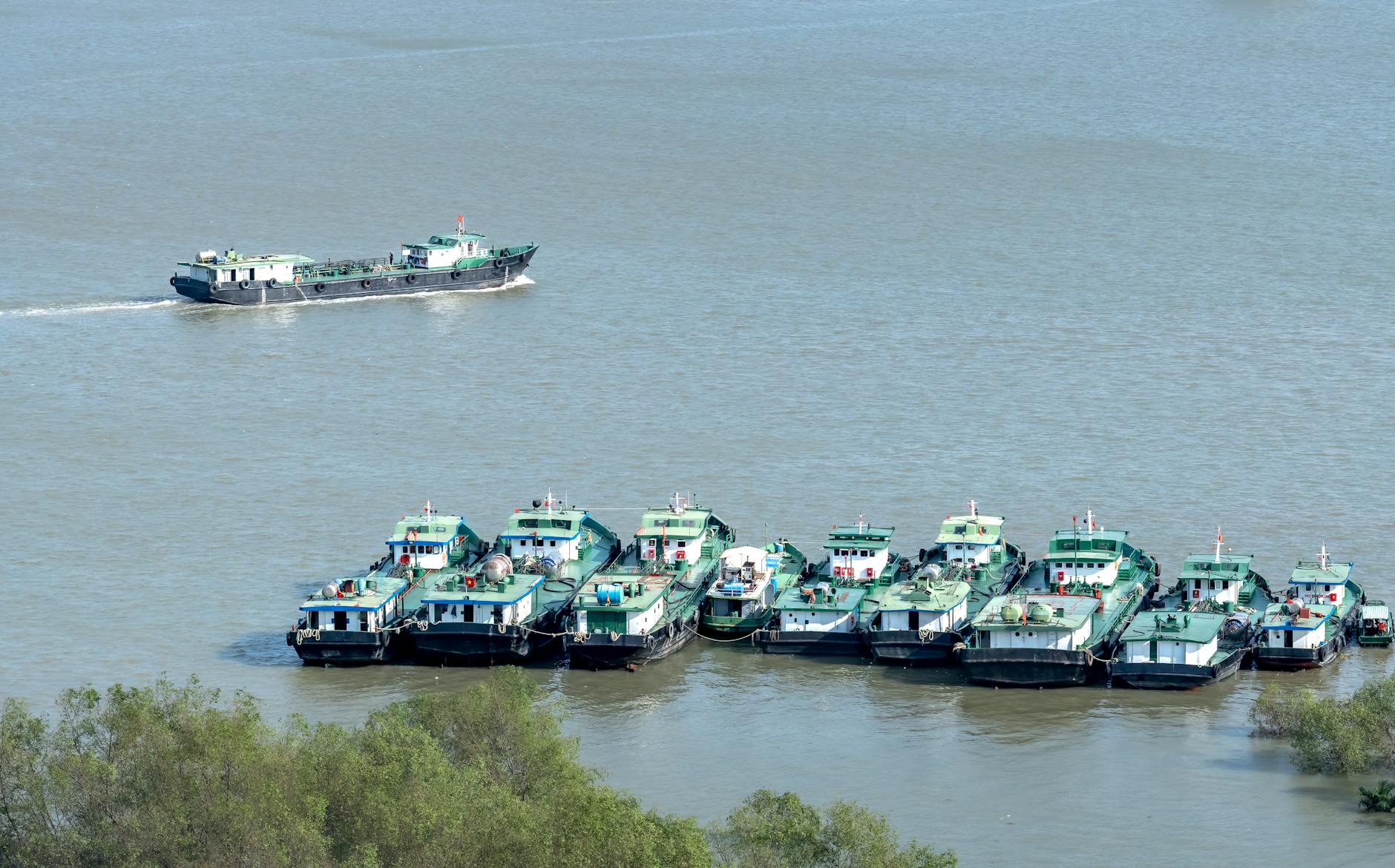
How Vessels Seized by the U.S. Carried Iranian Crude to China: A Canada-Focused Analysis
In a shocking revelation, U.S. officials have confirmed that several vessels seized in international waters were found to be carrying Iranian crude oil bound for China. This development has sent shockwaves through the global energy market, sparking concerns about the effectiveness of sanctions against Iran. As Canada’s economy closely follows the ebbs and flows of the energy market, the implications of this trend are far-reaching. The seized vessels not only highlight the resourcefulness of Iranian traders but also shed light on the intricate web of global supply chains. As Canada’s entrepreneurs navigate the complexities of international trade, understanding this phenomenon is crucial for their success. In this article, we will delve into the intricacies of how vessels seized by the U.S. carried Iranian crude to China, exploring its significance, key drivers, and impact on Canada’s entrepreneurship landscape.
What Is Happening
On several occasions, the U.S. Coast Guard has intercepted vessels carrying Iranian crude oil, allegedly destined for Chinese ports. These interceptions have sparked intense scrutiny, as they seemingly undermine the effectiveness of sanctions imposed on Iran by the U.S. and its allies. By analyzing the situation, it becomes apparent that these vessels often employ sophisticated strategies to evade detection, leveraging complex networks of trading partners and shipping routes. For instance, some vessels have been known to change their cargo descriptions or employ fake manifests to avoid scrutiny. The use of flags of convenience, where vessels register in countries with lax regulations, adds another layer of complexity to these operations. This cat-and-mouse game between traders and regulators has significant implications for the global energy market and raises questions about the efficacy of current sanctions.
The seized vessels often operate under the guise of legitimate trading companies, masking the true origin of the cargo. This has led to accusations of complicity on the part of some Chinese companies, which have allegedly facilitated the transportation of Iranian crude. However, it’s essential to note that not all Chinese entities are involved in these dealings, and some have even reported suspicious transactions to authorities. As the situation unfolds, it’s becoming increasingly clear that these operations involve a complex web of actors across multiple countries, including Iran, China, and those providing shipping and logistical services.
Why It Matters
The implications of these seizures extend far beyond the energy market, influencing the broader economic landscape. The effectiveness of sanctions against Iran has been a contentious issue, with some arguing that they have not significantly impacted the country’s economy. This trend, however, raises questions about the ability of sanctions to disrupt supply chains and limit Iran’s access to international markets. The fact that Iranian crude oil is being transported to China, a key player in the global energy market, underscores the need for more effective sanctions and increased scrutiny of international trade.
As Canada’s entrepreneurs navigate the complexities of global trade, they must be aware of the shifting landscape and its potential impact on their businesses. The trend of Iranian crude oil being transported to China highlights the importance of adapting to changing market conditions and regulatory environments. By staying informed and agile, Canadian entrepreneurs can capitalize on new opportunities while minimizing the risks associated with these developments.

Key Drivers
Several factors contribute to the successful transportation of Iranian crude oil to China, despite sanctions and regulatory efforts. These drivers include the use of complex networks and shipping routes, fake manifests and cargo descriptions, and the employment of flags of convenience. The involvement of Chinese companies and trading partners, often with ties to Iranian entities, also plays a crucial role in these operations.
Furthermore, the rise of cryptocurrency and other digital payment methods has facilitated these transactions, allowing traders to maintain a degree of anonymity and avoid detection. This trend underscores the need for more effective anti-money laundering regulations and increased scrutiny of international transactions.
Impact on Canada
As Canada’s economy closely follows global market trends, the implications of this development are significant. The rise of Chinese companies involved in these operations raises concerns about the potential for market competition and economic disruption. Canadian entrepreneurs, particularly those in the energy sector, must be aware of these changes and adapt their strategies accordingly.
The increasing complexity of global supply chains also highlights the need for Canadian companies to develop more sophisticated trading relationships and risk management strategies. By doing so, they can minimize the risks associated with these developments and capitalize on new opportunities. As Canada’s entrepreneurship landscape continues to evolve, staying informed about global market trends and regulatory changes will be crucial for success.

Expert Outlook
Industry experts anticipate that the situation will continue to unfold, with increased scrutiny of international trade and a renewed focus on effective sanctions. “The effectiveness of sanctions depends on the ability to disrupt supply chains and limit access to international markets,” notes Dr. Emma Taylor, a leading expert on international trade and sanctions. “The trend of Iranian crude oil being transported to China highlights the need for more comprehensive regulations and increased cooperation among nations.”
Furthermore, experts predict that Canadian companies will play a critical role in shaping the future of global trade. “Canadian entrepreneurs have a unique opportunity to capitalize on new markets and opportunities, while also contributing to the development of more effective regulations,” notes Dr. Michael Lee, a leading expert on entrepreneurship and international trade.
What to Watch
As the situation continues to unfold, several factors will be worth watching:
1. Increased scrutiny of international trade: Regulators and law enforcement agencies will likely intensify their efforts to detect and disrupt supply chains involved in the transportation of Iranian crude oil. 2. Evolution of sanctions and regulations: The effectiveness of sanctions will continue to be debated, with potential reforms aimed at limiting Iran’s access to international markets. 3. Rise of Canadian companies: Canadian entrepreneurs will play a critical role in shaping the future of global trade, with opportunities to capitalize on new markets and contribute to the development of more effective regulations. 4. Shifts in global supply chains: The trend of Iranian crude oil being transported to China highlights the need for Canadian companies to develop more sophisticated trading relationships and risk management strategies.
As the situation continues to unfold, Canadian entrepreneurs must remain vigilant and adapt to changing market conditions. By staying informed and agile, they can capitalize on new opportunities while minimizing the risks associated with these developments.