
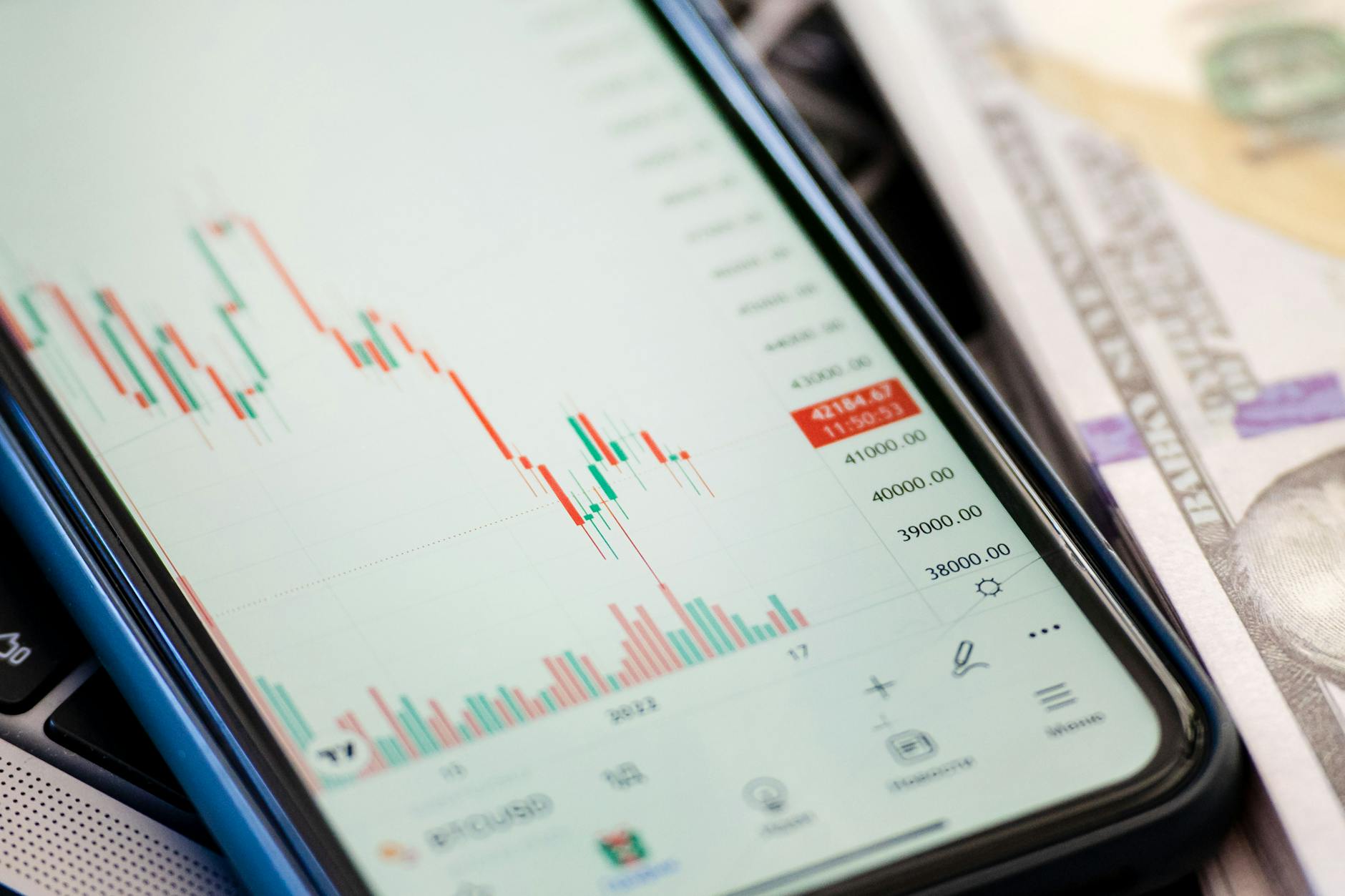
As the world waits with bated breath for the outcome of the ongoing conflict in the Middle East, the stock market today is witnessing a jarring impact. The Dow and S&P 500 futures, along with the Nasdaq, have stumbled in the face of a stark reality check: the war with Iran is far from over, according to a recent statement by none other than former President Donald Trump. This development has sent shockwaves through the global markets, sparking widespread concern among investors and entrepreneurs alike. For India, a country that has been navigating the challenges of its own economic recovery, the implications of this trend are particularly significant. As entrepreneurs and business leaders in India begin to assess the risks and opportunities presented by this new reality, one thing is clear: the stock market’s volatility has the potential to shape the very fabric of India’s entrepreneurial landscape.
What Is Happening
The recent statement by Donald Trump has set off a chain reaction in the global markets, with the Dow, S&P 500, and Nasdaq futures all experiencing a significant plunge. The Dow Jones futures fell by over 200 points, or 0.7%, while the S&P 500 futures dropped by 0.8%. The Nasdaq futures, which are closely tied to the performance of the tech sector, declined by a steeper 1.1%. The impact of this news is being felt across the board, with investors and traders scrambling to adjust their portfolios in response to the heightened risk environment.
But what’s behind this sudden downturn? At the heart of the matter lies the ongoing conflict in the Middle East, which has been brewing for months. The situation took a dramatic turn when a US drone strike killed Iranian General Qasem Soleimani in January, leading to a significant escalation in tensions between the two nations. Since then, the situation has remained precarious, with both sides engaging in a cycle of retaliatory measures and counter-measures.
The current situation is further complicated by the fact that the US has imposed various sanctions on Iran, which has had a devastating impact on the country’s economy. The Iranian rial has lost over 60% of its value against the US dollar in the past year, making it one of the worst-performing currencies in the world. The economic hardship faced by the Iranian people has created a perfect storm of discontent, with widespread protests breaking out in cities across the country.
Why It Matters
So why should entrepreneurs and business leaders in India care about the stock market’s plunge? The answer lies in the fact that the global economy is closely intertwined, with events in one region having a ripple effect on others. A slowdown in the US economy, which is often seen as a bellwether for the global economy, can have far-reaching consequences for India’s own economic prospects.
One of the key risks facing India is the potential for a decline in foreign investment flows. As the US economy slows, investors may become increasingly cautious, leading to a decrease in foreign direct investment (FDI) into India. This could have a debilitating impact on India’s economic growth, which has been driven in recent years by FDI and consumption-driven growth.
Another area of concern is the potential for a rise in global inflation. With the conflict in the Middle East set to continue, the price of oil is likely to remain high, which could lead to a spike in inflation in India. This, in turn, could erode the purchasing power of Indian consumers and undermine the country’s economic recovery.

Key Drivers
So what are the key drivers behind the stock market’s plunge? At its core, the situation is being driven by the ongoing conflict in the Middle East, which has created a perfect storm of uncertainty and risk. The US sanctions on Iran have had a devastating impact on the country’s economy, creating widespread hardship and discontent among the population.
The current situation is also being driven by the rise of nationalism and protectionism, which is creating a new era of global economic uncertainty. The US-China trade war, which has been ongoing for several years, has created a toxic atmosphere of tariffs and retaliation, which is having a spillover impact on other regions, including India.
Impact on India
So what does this mean for India’s entrepreneurial landscape? The impact of the stock market’s plunge is being felt across various sectors, including IT, pharma, and finance. The decline in global investor sentiment is leading to a decrease in FDI flows, which could have a debilitating impact on India’s economic growth.
One of the key sectors that is likely to be impacted is the IT sector, which is heavily dependent on foreign investment. A decline in FDI flows could lead to a decrease in hiring and investment in the sector, which could have a ripple effect on the broader economy.
Another area of concern is the impact on India’s consumer sentiment. With the potential for a rise in global inflation, Indian consumers may become increasingly cautious, leading to a decrease in consumption and investment.

Expert Outlook
So what do the experts say? According to a recent survey by the Confederation of Indian Industry (CII), a slowdown in the US economy could lead to a decline in FDI flows into India, with a potential impact on the country’s economic growth.
“The US economy is a critical driver of the global economy, and a slowdown in the US will have far-reaching consequences for India,” said a CII spokesperson. “We expect a decline in FDI flows into India, which could lead to a decrease in economic growth.”
Another expert, who wished to remain anonymous, noted that the situation is being driven by a complex interplay of factors, including the conflict in the Middle East and the rise of nationalism and protectionism.
“This is a perfect storm of uncertainty and risk, which is having a spillover impact on other regions, including India,” the expert said. “We expect a significant decline in investor sentiment, which could lead to a decrease in stock prices and a rise in volatility.”
What to Watch
So what should entrepreneurs and business leaders in India be watching out for? The key is to monitor the situation closely and adjust their strategies accordingly. With the stock market’s plunge creating a significant amount of uncertainty and risk, it’s essential to stay agile and adaptable.
One of the key things to watch out for is the impact on FDI flows. A decline in FDI could have a debilitating impact on India’s economic growth, so it’s essential to monitor the situation closely and adjust strategies accordingly.
Another area of focus should be on the potential for a rise in global inflation. With the conflict in the Middle East set to continue, the price of oil is likely to remain high, which could lead to a spike in inflation in India. This, in turn, could erode the purchasing power of Indian consumers and undermine the country’s economic recovery.
Ultimately, the situation is complex and multifaceted, with a range of factors at play. By staying informed and monitoring the situation closely, entrepreneurs and business leaders in India can stay ahead of the curve and adjust their strategies accordingly.




