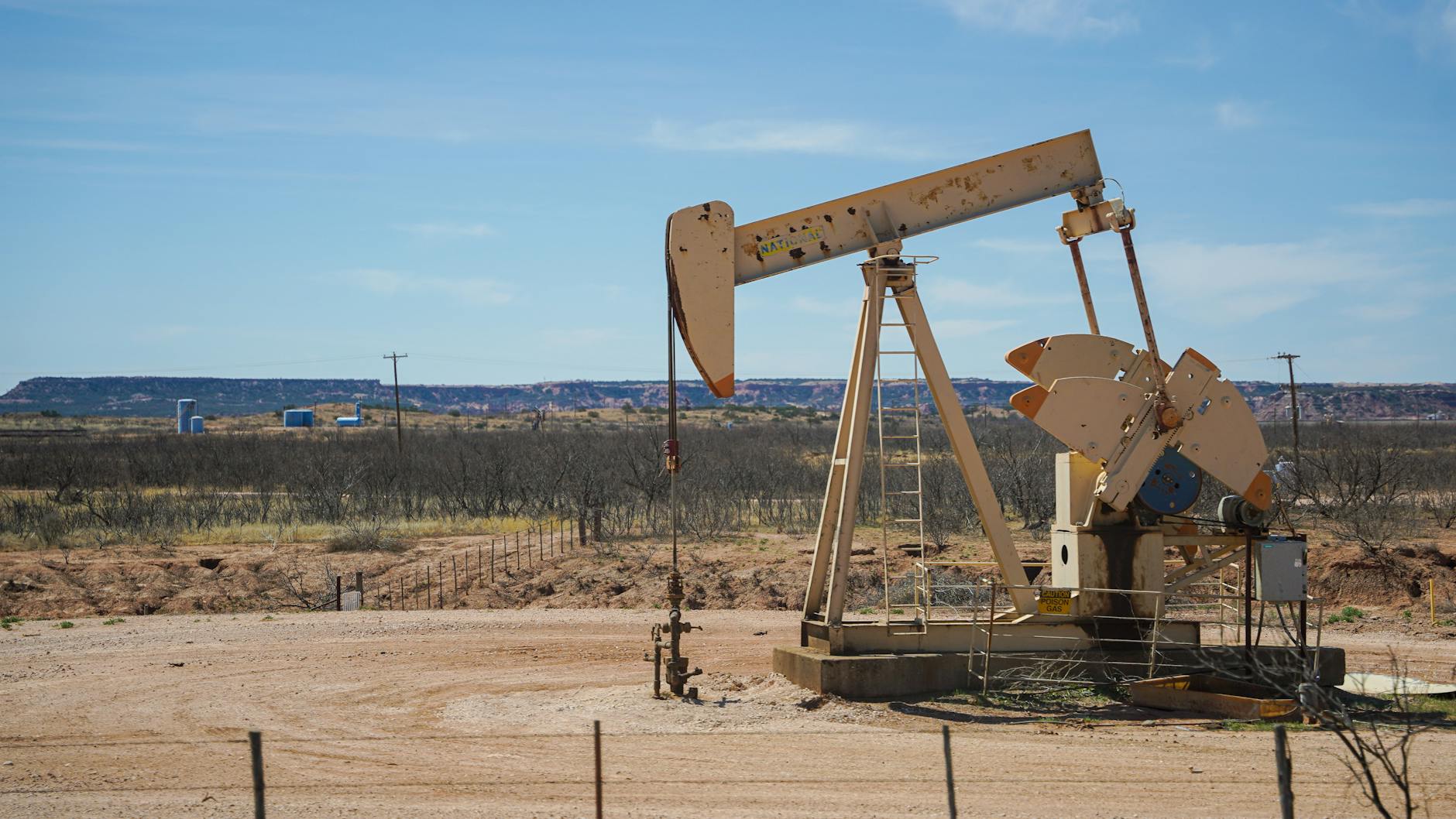
The rollercoaster ride of crude oil prices continues, leaving many wondering what’s driving this latest downturn. After a brief spike earlier this year, crude oil prices have taken a significant tumble, and experts are attributing it to growing hopes for an end to the war in the Middle East. This sudden shift in sentiment has sent shockwaves through the energy market, and its impact is being felt far beyond the oil industry. For startups in the United States, this development presents both opportunities and challenges, and it’s essential to understand the drivers behind this trend and its wider implications.
What Is Happening
Crude oil prices have been on a wild ride in recent years, driven by a complex interplay of global events, geopolitics, and market forces. The current decline can be attributed to several key factors. Firstly, the situation in Ukraine has led to a reduction in fears about a broader conflict in the Middle East, which had caused crude oil prices to surge earlier this year. The easing of tensions between Russia and Saudi Arabia has also contributed to the downward momentum, as it’s become clear that they will maintain their current production levels, thereby avoiding a supply shock.
Another crucial factor is the ongoing efforts to revive the Joint Comprehensive Plan of Action (JCPOA), also known as the Iran nuclear deal. The possibility of a revival of the deal, which had been signed in 2015, has led to a reduction in concerns about Iranian oil exports, a major factor behind the recent price drop. Iran’s current oil exports are already well below the pre-sanctions levels, and the JCPOA revival would likely lead to a further increase in Iranian oil production, thereby putting downward pressure on prices.
Lastly, the Organization of the Petroleum Exporting Countries (OPEC) has also played a significant role in the current price dynamics. OPEC’s decision to maintain its current production levels has helped to alleviate concerns about supply shortages, which had contributed to the earlier price spike. The OPEC+ alliance, consisting of OPEC and several major non-OPEC producers, has also pledged to maintain current production levels, thereby further reducing the likelihood of a supply shock.
Why It Matters
The impact of crude oil prices on the startup ecosystem in the United States cannot be overstated. Crude oil prices have a direct impact on the cost of production for many industries, including transportation, energy, and manufacturing. For startups in these sectors, a decline in crude oil prices can lead to increased competitiveness, as they can reduce their costs and pass the savings on to customers. This, in turn, can lead to increased demand for their products and services, thereby fueling growth and expansion.
However, a decline in crude oil prices can also have a negative impact on the startup ecosystem. Many startups in the energy and transportation sectors rely heavily on crude oil prices to determine their profitability. A decline in prices can lead to reduced revenue, making it challenging for these startups to maintain their operations and invest in growth initiatives. Furthermore, the decline in crude oil prices can also lead to increased competition in the market, as established players take advantage of the lower costs to increase their market share.

Key Drivers
Several key drivers are at play in the current crude oil price dynamics. The most significant factor is the ongoing conflict in Ukraine, which had led to fears about a broader conflict in the Middle East and a potential supply shock. However, the recent easing of tensions between Russia and Saudi Arabia has reduced these concerns, leading to a decline in crude oil prices.
Another crucial driver is the ongoing efforts to revive the JCPOA, which had been signed in 2015. The possibility of a revival of the deal has led to a reduction in concerns about Iranian oil exports, a major factor behind the recent price drop. Iran’s current oil exports are already well below the pre-sanctions levels, and the JCPOA revival would likely lead to a further increase in Iranian oil production, thereby putting downward pressure on prices.
Lastly, the OPEC+ alliance has also played a significant role in the current price dynamics. OPEC’s decision to maintain its current production levels has helped to alleviate concerns about supply shortages, which had contributed to the earlier price spike. The OPEC+ alliance has pledged to maintain current production levels, thereby further reducing the likelihood of a supply shock.
Impact on United States
The impact of crude oil prices on the United States is significant. The country is one of the world’s largest oil consumers, and changes in crude oil prices have a direct impact on the cost of production for many industries. A decline in crude oil prices can lead to increased competitiveness for startups in the energy and transportation sectors, as they can reduce their costs and pass the savings on to customers. This, in turn, can lead to increased demand for their products and services, thereby fueling growth and expansion.
However, a decline in crude oil prices can also have a negative impact on the startup ecosystem in the United States. Many startups in the energy and transportation sectors rely heavily on crude oil prices to determine their profitability. A decline in prices can lead to reduced revenue, making it challenging for these startups to maintain their operations and invest in growth initiatives. Furthermore, the decline in crude oil prices can also lead to increased competition in the market, as established players take advantage of the lower costs to increase their market share.

Expert Outlook
According to analysts, the current decline in crude oil prices is likely to continue in the short term, driven by the ongoing efforts to revive the JCPOA and the easing of tensions between Russia and Saudi Arabia. However, in the long term, the outlook for crude oil prices remains uncertain, and several factors could contribute to a price rebound.
One key factor is the ongoing conflict in Ukraine, which could lead to a supply shock and a subsequent price increase. Another factor is the ongoing efforts by OPEC+ to maintain current production levels, which could lead to a surplus in the market and a subsequent price drop. Lastly, the ongoing efforts to achieve net-zero emissions by 2050, driven by governments and companies around the world, could lead to increased investment in renewable energy sources, thereby reducing demand for crude oil and contributing to a price rebound.
What to Watch
As the crude oil price dynamics continue to unfold, there are several key factors to watch. Firstly, the ongoing efforts to revive the JCPOA and the easing of tensions between Russia and Saudi Arabia will continue to drive the price action in the short term. Secondly, the OPEC+ alliance will continue to play a significant role in the global energy market, and their decision to maintain current production levels will have a direct impact on crude oil prices.
Lastly, the ongoing efforts to achieve net-zero emissions by 2050 will continue to shape the energy landscape, and increased investment in renewable energy sources will contribute to reduced demand for crude oil. As a result, it’s essential for startups in the energy and transportation sectors to be aware of these factors and adapt their strategies accordingly to ensure they remain competitive in a rapidly changing market.