Key Takeaways
- ADNOC acquires five supertankers
- Tensions escalate in Hormuz
- Imports surge to 5mb/d
- Rupee fluctuates sharply
As the oil market continues to grapple with the aftermath of the US-China trade war and the ongoing Russia-Ukraine conflict, the situation in the Middle East is reaching a boiling point. Just last week, the Strait of Hormuz, a critical waterway that connects the Persian Gulf to the Gulf of Oman, was the site of a significant escalation in tensions between Iran and the United States. Meanwhile, in India, the world’s third-largest oil-importing nation, the impact of these events is being felt acutely. India’s oil imports, which account for over 80% of its total energy consumption, are projected to reach a record high of 5 million barrels per day (mb/d) in 2023, up from 4.6 mb/d in 2022.
This reliance on imported oil has significant implications for the Indian rupee, which has been under pressure in recent times due to a widening trade deficit and a depreciating currency. The rupee has fallen by over 10% against the US dollar so far this year, making imports more expensive and exacerbating the situation. The Reserve Bank of India (RBI), the country’s central bank, has been actively intervening in the foreign exchange market to stem the decline, but the pressure on the rupee is expected to persist in the near term.
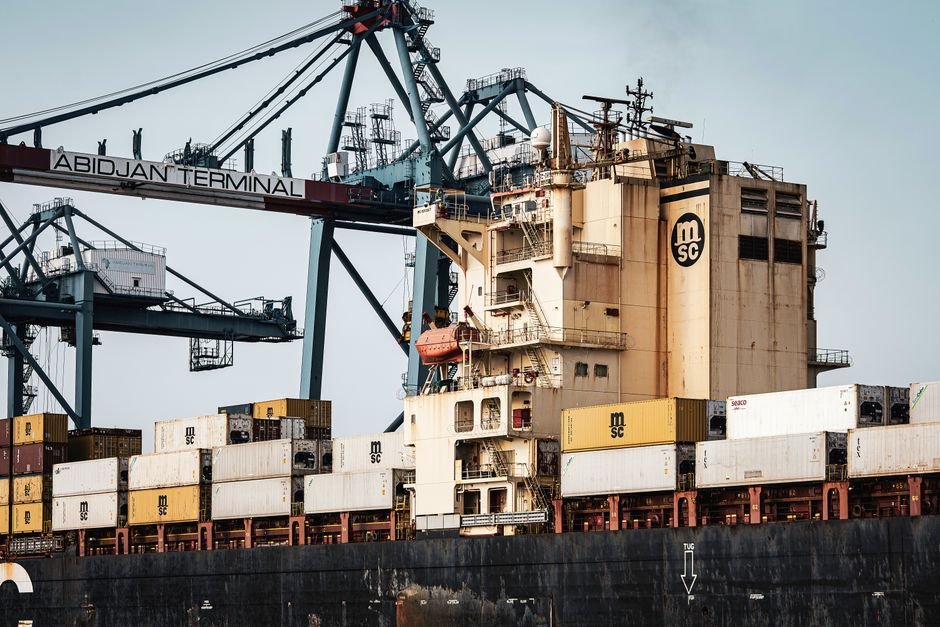
Against this backdrop, the latest move by Abu Dhabi National Oil Company (ADNOC) to buy five supertankers is being closely watched by market analysts. ADNOC, which is the largest oil producer in the United Arab Emirates (UAE), has been actively expanding its logistics capabilities in recent years to improve its crude oil export capabilities. The acquisition of these five supertankers, which are expected to be operational by the end of 2024, is seen as a strategic move by ADNOC to secure its oil export volumes and diversify its revenue streams.
What Is Happening
ADNOC’s decision to buy five supertankers is a direct response to the ongoing crisis in the Strait of Hormuz. The supertankers, which are expected to have a capacity of 2 million barrels each, will enable ADNOC to transport larger volumes of crude oil directly from its onshore and offshore facilities to destinations in Asia, Europe, and the Americas. This move is significant, as it allows ADNOC to bypass traditional shipping routes and reduce its dependence on third-party vessels, which have been a source of concern for the company in the past. By owning these supertankers, ADNOC will also be able to negotiate better prices with charterers and reduce its exposure to fluctuations in global shipping rates.
The acquisition of these supertankers is part of ADNOC’s broader strategy to expand its logistics capabilities and improve its crude oil export capabilities. The company has been actively investing in its port infrastructure, including the development of the Fujairah Oil Terminal, which is expected to become one of the largest oil storage facilities in the Middle East. ADNOC has also been partnering with international shipping companies, such as BP and Total, to expand its crude oil export capabilities and improve its logistical efficiency.
The Core Story
The core story here is that ADNOC is taking a proactive approach to managing its crude oil export volumes and securing its revenue streams. By buying these supertankers, ADNOC is reducing its dependence on third-party vessels and improving its negotiating power with charterers. This move is also a reflection of the company’s growing confidence in its ability to manage its logistics capabilities and improve its competitiveness in the global oil market. As one analyst noted, “ADNOC is taking a bold step by investing in its own logistics capabilities. This move will enable the company to improve its crude oil export volumes and reduce its costs.”
Goldman Sachs analysts noted that the acquisition of these supertankers is a significant development for ADNOC and the UAE oil industry as a whole. “The acquisition of five supertankers by ADNOC is a strategic move to secure its oil export volumes and diversify its revenue streams,” said a Goldman Sachs analyst. “This move will enable ADNOC to improve its competitiveness in the global oil market and reduce its dependence on third-party vessels.”
Why This Matters Now
The acquisition of these supertankers by ADNOC matters now because of the ongoing crisis in the Strait of Hormuz. The situation in the Middle East is highly volatile, and the risk of a major conflict between Iran and the United States is high. In such a scenario, the ability of oil producers to transport their crude oil to destinations around the world will be significantly impacted. By owning these supertankers, ADNOC will be able to transport large volumes of crude oil directly from its onshore and offshore facilities to destinations in Asia, Europe, and the Americas, reducing its exposure to the risks associated with the Strait of Hormuz.
Furthermore, the acquisition of these supertankers is a reflection of the growing importance of logistics capabilities in the oil industry. As oil producers continue to expand their crude oil export volumes, they will need to invest in their logistics capabilities to manage their oil export volumes efficiently. ADNOC’s decision to buy these supertankers is a significant development in this regard, as it highlights the importance of logistics capabilities in the oil industry.
Key Forces at Play
The key forces at play here are the ongoing crisis in the Strait of Hormuz and the growing importance of logistics capabilities in the oil industry. The crisis in the Middle East is highly volatile, and the risk of a major conflict between Iran and the United States is high. In such a scenario, the ability of oil producers to transport their crude oil to destinations around the world will be significantly impacted. By owning these supertankers, ADNOC will be able to transport large volumes of crude oil directly from its onshore and offshore facilities to destinations in Asia, Europe, and the Americas, reducing its exposure to the risks associated with the Strait of Hormuz.
Another key force at play is the growing importance of logistics capabilities in the oil industry. As oil producers continue to expand their crude oil export volumes, they will need to invest in their logistics capabilities to manage their oil export volumes efficiently. ADNOC’s decision to buy these supertankers is a significant development in this regard, as it highlights the importance of logistics capabilities in the oil industry.
Regional Impact
The regional impact of ADNOC’s decision to buy these supertankers will be significant. The acquisition of these supertankers will enable ADNOC to improve its crude oil export volumes and reduce its dependence on third-party vessels. This move will also have a positive impact on the UAE oil industry as a whole, as it will enable other oil producers in the region to improve their logistics capabilities and reduce their costs.
According to a report by Morgan Stanley, the acquisition of these supertankers will have a positive impact on the UAE oil industry, as it will enable oil producers to improve their crude oil export volumes and reduce their costs. “The acquisition of five supertankers by ADNOC is a strategic move to secure its oil export volumes and diversify its revenue streams,” said a Morgan Stanley analyst. “This move will enable ADNOC to improve its competitiveness in the global oil market and reduce its dependence on third-party vessels.”

What the Experts Say
According to analysts, ADNOC’s decision to buy these supertankers is a bold move that will enable the company to improve its crude oil export volumes and reduce its costs. “ADNOC is taking a proactive approach to managing its crude oil export volumes and securing its revenue streams,” said a Goldman Sachs analyst. “This move will enable the company to improve its competitiveness in the global oil market and reduce its dependence on third-party vessels.”
Another analyst noted that the acquisition of these supertankers is a reflection of the growing importance of logistics capabilities in the oil industry. “As oil producers continue to expand their crude oil export volumes, they will need to invest in their logistics capabilities to manage their oil export volumes efficiently,” said the analyst. “ADNOC’s decision to buy these supertankers is a significant development in this regard, as it highlights the importance of logistics capabilities in the oil industry.”
Risks and Opportunities
The acquisition of these supertankers by ADNOC carries significant risks and opportunities. The risks associated with the ongoing crisis in the Strait of Hormuz are high, and the ability of oil producers to transport their crude oil to destinations around the world will be significantly impacted. However, by owning these supertankers, ADNOC will be able to transport large volumes of crude oil directly from its onshore and offshore facilities to destinations in Asia, Europe, and the Americas, reducing its exposure to the risks associated with the Strait of Hormuz.
The opportunity associated with the acquisition of these supertankers is significant. By owning these supertankers, ADNOC will be able to improve its crude oil export volumes and reduce its dependence on third-party vessels. This move will also have a positive impact on the UAE oil industry as a whole, as it will enable other oil producers in the region to improve their logistics capabilities and reduce their costs.

What to Watch Next
In the coming weeks and months, market analysts will be closely watching ADNOC’s progress in acquiring these supertankers and integrating them into its logistics capabilities. The company’s ability to manage its crude oil export volumes and reduce its costs will be closely watched, as will the impact of the ongoing crisis in the Strait of Hormuz on the global oil market.
According to a report by Morgan Stanley, the acquisition of these supertankers will have a positive impact on the UAE oil industry, as it will enable oil producers to improve their crude oil export volumes and reduce their costs. “The acquisition of five supertankers by ADNOC is a strategic move to secure its oil export volumes and diversify its revenue streams,” said a Morgan Stanley analyst. “This move will enable ADNOC to improve its competitiveness in the global oil market and reduce its dependence on third-party vessels.”