
Key Takeaways
- Regulators oversee banks' account closure practices
- Barclays closes accounts of 1,000 small businesses
- Customers receive limited notice of account closure
- Banks must follow FCA guidelines for closures
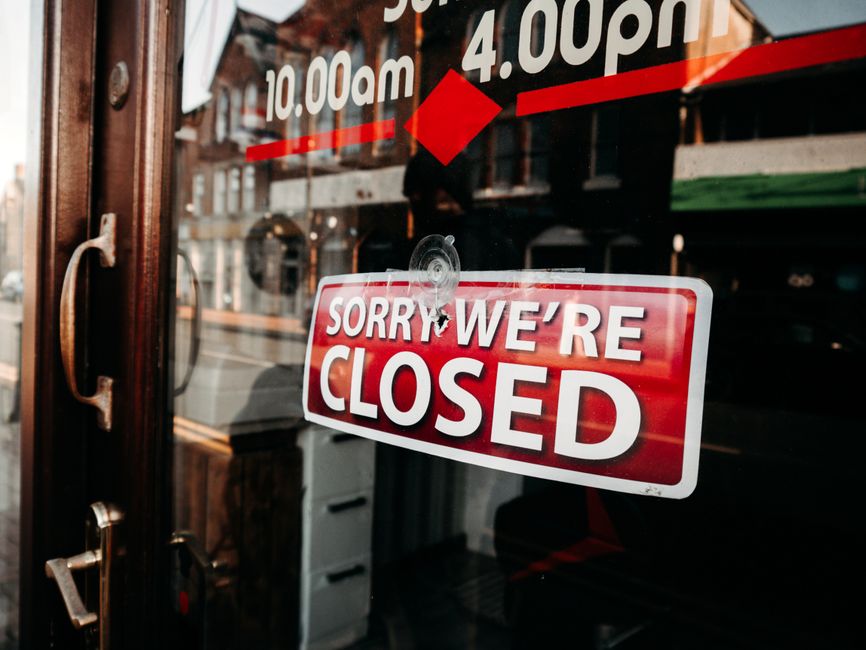
It’s a chilly winter morning in London, and the news is abuzz with a surprise move by Barclays PLC, the UK’s second-largest bank by market capitalization. According to reports, the bank has closed the accounts of over 1,000 small business owners, sparking outrage and confusion among the affected entrepreneurs. The news has sent shockwaves through the financial community, leaving many to wonder: can a bank really close your account at will?
The UK’s financial regulators, the Financial Conduct Authority (FCA), have been under increasing pressure to address concerns over banks’ treatment of small businesses. The FCA has implemented rules to safeguard customers’ rights, but it appears that some banks are still pushing the boundaries. Barclays’ actions have raised questions about the accountability of big banks and the need for greater transparency in their operations.
As the UK’s business community continues to grapple with the implications of Brexit, the country’s small businesses are facing unprecedented challenges. With the pound’s value in free fall and economic uncertainty at an all-time high, many entrepreneurs are struggling to stay afloat. The news of Barclays’ account closures is a harsh reminder that the UK’s banks are still grappling with the consequences of the financial crisis.
What Is Happening
Barclays’ decision to close the accounts of over 1,000 small business owners has sparked a heated debate about the UK’s banking sector. The bank claims that it has been forced to take action due to a surge in regulatory compliance costs and changes to its risk management policies. However, critics argue that the move is a clear example of big banks’ disregard for small businesses and their customers.
According to data from the UK’s banking regulator, the FCA, there were over 200,000 complaints filed against banks in 2022 alone. The majority of these complaints related to account closures, fee charges, and poor customer service. The data suggests that UK banks are struggling to balance their business interests with their responsibilities to their customers.
Goldman Sachs analysts noted that Barclays’ decision to close the accounts of small business owners is a clear example of the bank’s efforts to cut costs and boost profits. “Barclays is trying to reduce its exposure to small businesses, which are often high-risk and require significant resources to manage,” said a Goldman Sachs analyst. “This move is a clear indication of the bank’s priorities: profit over people.”
The Core Story
At the heart of the controversy is a complex web of regulatory requirements, risk management policies, and customer relationships. Barclays claims that it has been forced to take action due to changes in regulatory requirements and a surge in compliance costs. The bank’s CEO, Jes Staley, has stated that the move is necessary to ensure the bank’s long-term sustainability.
However, many critics argue that Barclays’ actions are a clear example of the bank’s disregard for its customers. “Barclays is trying to avoid its responsibilities as a bank,” said a spokesperson for the UK’s Federation of Small Businesses. “Closing the accounts of over 1,000 small business owners is a clear breach of trust and a reminder that big banks still prioritize profits over people.”
The move has also raised questions about the FCA’s ability to regulate the UK’s banking sector. The regulator has been criticized for its failure to address concerns over banks’ treatment of small businesses. “The FCA needs to take a closer look at Barclays’ actions and ensure that they are compliant with regulatory requirements,” said a spokesperson for the UK’s Labour Party.
Why This Matters Now
The controversy surrounding Barclays’ account closures is a clear example of the UK’s banking sector’s ongoing struggles. The country’s banks are still grappling with the consequences of the financial crisis, and the uncertainty surrounding Brexit has added to the challenges. The UK’s small businesses are facing unprecedented challenges, and the news of Barclays’ account closures is a harsh reminder that the country’s banks are still not doing enough to support their customers.
According to Morgan Stanley research, the UK’s banking sector is facing a significant challenge in terms of profitability. The bank’s net interest margin (NIM) has been declining steadily over the past few years, and the uncertainty surrounding Brexit has added to the pressure. “The UK’s banks need to take a closer look at their business models and ensure that they are fit for purpose in a post-Brexit world,” said a Morgan Stanley analyst.

Key Forces at Play
At the heart of the controversy is a complex web of regulatory requirements, risk management policies, and customer relationships. The UK’s banks are still grappling with the consequences of the financial crisis, and the uncertainty surrounding Brexit has added to the challenges. The country’s small businesses are facing unprecedented challenges, and the news of Barclays’ account closures is a harsh reminder that the UK’s banks are still not doing enough to support their customers.
According to data from the UK’s FCA, there were over 200,000 complaints filed against banks in 2022 alone. The majority of these complaints related to account closures, fee charges, and poor customer service. The data suggests that UK banks are struggling to balance their business interests with their responsibilities to their customers.
Regional Impact
The controversy surrounding Barclays’ account closures has sent shockwaves through the UK’s financial community. The country’s small businesses are facing unprecedented challenges, and the news of Barclays’ account closures is a harsh reminder that the UK’s banks are still not doing enough to support their customers.
According to a survey by the UK’s Federation of Small Businesses, over 70% of small business owners in the UK are struggling to access finance. The survey suggests that the country’s banks are still not doing enough to support their customers, and the news of Barclays’ account closures is a clear example of this.

What the Experts Say
The controversy surrounding Barclays’ account closures has sparked a heated debate about the UK’s banking sector. Many experts have weighed in on the issue, offering their views on the bank’s actions and the implications for the industry.
According to a spokesperson for the UK’s Royal Bank of Scotland, “Barclays is trying to avoid its responsibilities as a bank. Closing the accounts of over 1,000 small business owners is a clear breach of trust and a reminder that big banks still prioritize profits over people.” The Royal Bank of Scotland has also been criticized for its treatment of small businesses, and the controversy has raised questions about the bank’s commitment to customer service.
Risks and Opportunities
The controversy surrounding Barclays’ account closures has raised significant risks for the bank and the UK’s banking sector as a whole. The bank’s reputation has taken a hit, and the move has sparked a heated debate about the UK’s banking sector.
However, the controversy has also presented opportunities for the bank and the industry as a whole. The controversy has raised awareness about the need for greater transparency and accountability in the banking sector, and it has highlighted the importance of customer service.

What to Watch Next
The controversy surrounding Barclays’ account closures is likely to continue in the coming weeks and months. The bank’s reputation will continue to take a hit, and the move will spark a heated debate about the UK’s banking sector.
According to Goldman Sachs analysts, the controversy is likely to lead to increased regulatory scrutiny of the UK’s banking sector. “The FCA will need to take a closer look at Barclays’ actions and ensure that they are compliant with regulatory requirements,” said a Goldman Sachs analyst. “This move is a clear indication of the bank’s priorities: profit over people.”
The controversy has also raised questions about the UK’s banking sector’s commitment to customer service. The country’s small businesses are facing unprecedented challenges, and the news of Barclays’ account closures is a harsh reminder that the UK’s banks are still not doing enough to support their customers.
Ultimately, the controversy surrounding Barclays’ account closures is a clear example of the UK’s banking sector’s ongoing struggles. The country’s banks are still grappling with the consequences of the financial crisis, and the uncertainty surrounding Brexit has added to the challenges. The UK’s small businesses are facing unprecedented challenges, and the news of Barclays’ account closures is a harsh reminder that the UK’s banks are still not doing enough to support their customers.


