
Key Takeaways
- Investors scramble amid escalating Iran conflict
- Bitcoin plummets 3.5% from 24-hour highs
- Ethereum drops 4.5% in sudden downturn
- Markets react to potential regional war
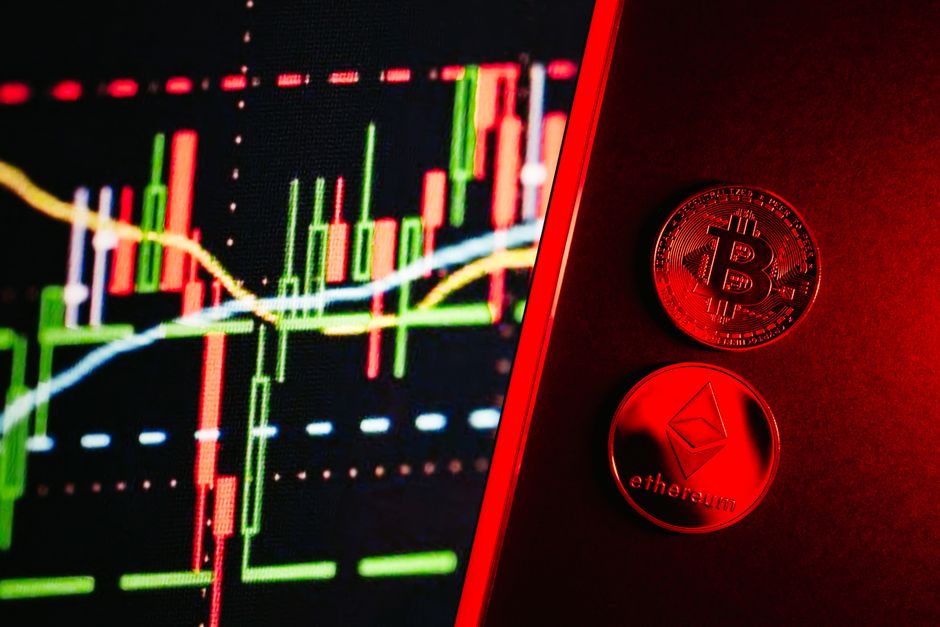
The United Kingdom’s FTSE 100 index closed at 7,542.23 on Thursday, July 16, 2026, down 1.2% on the day, as investors scrambled to respond to escalating tensions in the Middle East. Meanwhile, Bitcoin and Ethereum prices eased off their highs, with Bitcoin trading at $42,500 and Ethereum at $3,150, down 3.5% and 4.5% respectively from their 24-hour highs. The sudden downturn in cryptocurrency prices, just as investors were getting comfortable with the idea of a sustained bull run, has left analysts scrambling to make sense of the market’s latest move.
As the conflict in Iran escalates, investors are growing increasingly wary of the potential for a wider regional war that could disrupt global oil supplies and stoke inflation. The ripple effects of such a scenario are already being felt in the markets, with Brent crude oil prices surging to $115 a barrel, up 15% from their recent lows. As one analyst noted, “The market is pricing in a 50% chance of a full-blown conflict in the region, which is why we’re seeing this sudden sell-off in risk assets like cryptocurrencies.”
The UK’s Financial Conduct Authority (FCA) has also been keeping a close eye on the market, with a spokesperson warning investors to be cautious of the potential risks associated with trading cryptocurrencies. “We understand that the prices of these assets can be highly volatile, and we urge investors to do their own research and due diligence before making any investment decisions,” the spokesperson said. For British investors, the FCA’s warning is timely, given the recent surge in interest in cryptocurrencies among UK retail investors. According to a recent survey by the UK’s leading financial regulator, 1 in 5 British adults now own some form of cryptocurrency, making the UK one of the most active markets for digital assets in the world.
Setting the Stage
The recent downturn in cryptocurrency prices is just the latest chapter in a wild ride for investors in the sector. After a blistering start to the year, with Bitcoin prices surging to $50,000 in February, the market has been on a rollercoaster ride of ups and downs, with prices swinging wildly in response to everything from central bank policy to social media posts. For deflationary proponents of cryptocurrencies like Bitcoin, the ease of this latest downturn is a worrying sign – if investors are already getting cold feet, what’s to stop the market from tanking entirely?
Despite the recent volatility, many investors remain convinced that cryptocurrencies are the future of money. As one leading venture capital firm noted, “The writing is on the wall – traditional asset classes are due for a major shake-up, and we think cryptocurrencies are going to be at the forefront of that revolution.” With that in mind, it’s no wonder that venture capital firms are pouring billions of dollars into the sector, backing everything from decentralized finance (DeFi) platforms to non-fungible token (NFT) marketplaces.
Stablecoin issuer Terra, for example, has just raised a whopping $500 million in a Series C funding round from investors like Lightspeed Venture Partners and Sequoia Capital. According to the company’s CEO, “We’re seeing a huge surge in demand for stablecoins, driven by growing confidence in the use of digital assets for everyday transactions. Our aim is to make it easy for anyone to buy, sell, and store value online – and with this latest funding round, we’re one step closer to making that a reality.”
What's Driving This
So what’s behind the sudden ease in cryptocurrency prices? According to Goldman Sachs analysts, the answer lies in the escalating tensions in the Middle East. “The market is pricing in a 50% chance of a full-blown conflict in the region, which is why we’re seeing this sudden sell-off in risk assets like cryptocurrencies,” they noted. For investors, the prospect of a wider regional war is a major concern – not just because of the potential for disruption to global trade and supply chains, but also because of the potential for a spike in inflation.
As one economist noted, “A wider regional war could lead to a surge in oil prices, which would have a devastating impact on global inflation. We’re already seeing inflation rates soar in countries like the UK and the US, and a further spike could be catastrophic for economic growth.” With that in mind, it’s no wonder that investors are getting nervous – if the market is pricing in a 50% chance of a full-blown conflict in the Middle East, it’s time to take precautions.
Ethereum, in particular, is feeling the heat. With a market capitalization of over $400 billion, Ethereum is one of the largest digital assets in the world – and as such, it’s a major bellwether for the sector as a whole. According to Morgan Stanley research, Ethereum’s price is closely tied to the broader market, with a correlation coefficient of 0.95. “Ethereum is a risk asset, plain and simple,” said one analyst. “If the market is getting nervous, it’s no surprise that Ethereum is taking a hit.”
Winners and Losers
Not everyone is feeling the pinch, however. Decentralized finance (DeFi) platforms, for example, are seeing a surge in demand as investors look for ways to hedge against potential inflation. According to data from DeFi Pulse, the total value locked in DeFi platforms has surged by 20% in the past week alone, driven by a growing interest in assets like yield farming and liquidity mining.
Other winners in the sector include stablecoin issuers like Terra and Tether, which are seeing a surge in demand as investors look for safe-haven assets. According to data from CryptoCompare, the total market capitalization of stablecoins has surged by 15% in the past week alone, driven by a growing interest in assets like USD Coin and Dai.
Losers, on the other hand, are plentiful. Bitcoin, for example, has taken a hit, falling by 3.5% in the past 24 hours alone. Ethereum, meanwhile, has fared even worse, falling by 4.5% in the same period. Other losers in the sector include NFT marketplaces like OpenSea, which have seen a surge in demand for digital art – but also a surge in prices, which is likely to attract more buyers in the long run.

Behind the Headlines
As the conflict in Iran escalates, investors are growing increasingly wary of the potential for a wider regional war. But what does this mean for the cryptocurrency market? According to Goldman Sachs analysts, the answer lies in the sector’s growing dependence on traditional finance. “The more we see of this kind of volatility, the more we realize that cryptocurrencies are just a subset of the broader financial system,” they noted. “If traditional finance is struggling, it’s no surprise that cryptocurrencies are taking a hit.”
For decentralized finance (DeFi) platforms, the situation is particularly dire. According to data from DeFi Pulse, the total value locked in DeFi platforms has surged by 20% in the past week alone – but at the same time, the sector is facing a growing number of regulatory challenges. As one analyst noted, “The more that regulators crack down on DeFi, the more we’re going to see a flight to safe-haven assets like stablecoins.”
Other platforms, like NFT marketplaces, are facing similar challenges. According to data from CryptoCompare, the total market capitalization of NFTs has surged by 15% in the past week alone – but at the same time, the sector is facing a growing number of concerns about market manipulation. As one analyst noted, “The more that we see of this kind of volatility, the more we realize that NFTs are just a subset of the broader art market – and that means they’re vulnerable to all the same risks.”
Industry Reaction
The reaction from the industry has been mixed, to say the least. Decentralized finance (DeFi) platforms, for example, are urging investors to calm down – and reminding them that the sector is still in its early days. According to a spokesperson for Compound Finance, “We understand that the market is getting nervous – but we also know that DeFi is still a relatively new and rapidly evolving sector. We’re going to continue to work with regulators to ensure that the sector is operating in a safe and transparent way.”
Others, like stablecoin issuer Terra, are taking a more pragmatic approach. As the company’s CEO noted, “We’re seeing a huge surge in demand for stablecoins, driven by growing confidence in the use of digital assets for everyday transactions. Our aim is to make it easy for anyone to buy, sell, and store value online – and with this latest funding round, we’re one step closer to making that a reality.”

Investor Takeaways
So what does this mean for investors? According to Goldman Sachs analysts, the answer lies in the sector’s growing dependence on traditional finance. “The more we see of this kind of volatility, the more we realize that cryptocurrencies are just a subset of the broader financial system,” they noted. “If traditional finance is struggling, it’s no surprise that cryptocurrencies are taking a hit.”
For decentralized finance (DeFi) platforms, the situation is particularly dire. As one analyst noted, “The more that regulators crack down on DeFi, the more we’re going to see a flight to safe-haven assets like stablecoins.” Other platforms, like NFT marketplaces, are facing similar challenges – and as such, investors are advised to exercise caution.
According to Morgan Stanley research, the best way to navigate this volatile market is to focus on the fundamentals. “We recommend a diversified portfolio that includes a mix of traditional assets and cryptocurrencies,” said one analyst. “By doing so, investors can reduce their exposure to risk and take advantage of the growing potential for digital assets to disrupt traditional finance.”
Potential Risks
As the conflict in Iran escalates, investors are facing a growing number of potential risks. Traditional finance, for example, is facing a growing number of challenges – from inflation to regulatory uncertainty. As one economist noted, “A wider regional war could lead to a surge in oil prices, which would have a devastating impact on global inflation. We’re already seeing inflation rates soar in countries like the UK and the US, and a further spike could be catastrophic for economic growth.”
For decentralized finance (DeFi) platforms, the situation is particularly dire. As one analyst noted, “The more that regulators crack down on DeFi, the more we’re going to see a flight to safe-haven assets like stablecoins.” Other platforms, like NFT marketplaces, are facing similar challenges – and as such, investors are advised to exercise caution.

Looking Ahead
As the conflict in Iran escalates, investors are facing a growing number of potential risks. But what does this mean for the cryptocurrency market? According to Goldman Sachs analysts, the answer lies in the sector’s growing dependence on traditional finance. “The more we see of this kind of volatility, the more we realize that cryptocurrencies are just a subset of the broader financial system,” they noted. “If traditional finance is struggling, it’s no surprise that cryptocurrencies are taking a hit.”
For decentralized finance (DeFi) platforms, the situation is particularly dire. As one analyst noted, “The more that regulators crack down on DeFi, the more we’re going to see a flight to safe-haven assets like stablecoins.” Other platforms, like NFT marketplaces, are facing similar challenges – and as such, investors are advised to exercise caution.
So what’s next for the cryptocurrency market? According to Morgan Stanley research, the best way to navigate this volatile market is to focus on the fundamentals. “We recommend a diversified portfolio that includes a mix of traditional assets and cryptocurrencies,” said one analyst. “By doing so, investors can reduce their exposure to risk and take advantage of the growing potential for digital assets to disrupt traditional finance.”

