
Key Takeaways
- Investors target Canada's energy basins
- Exploration sparks debate
- Reserves estimate $213 billion
- Canada attracts major energy players
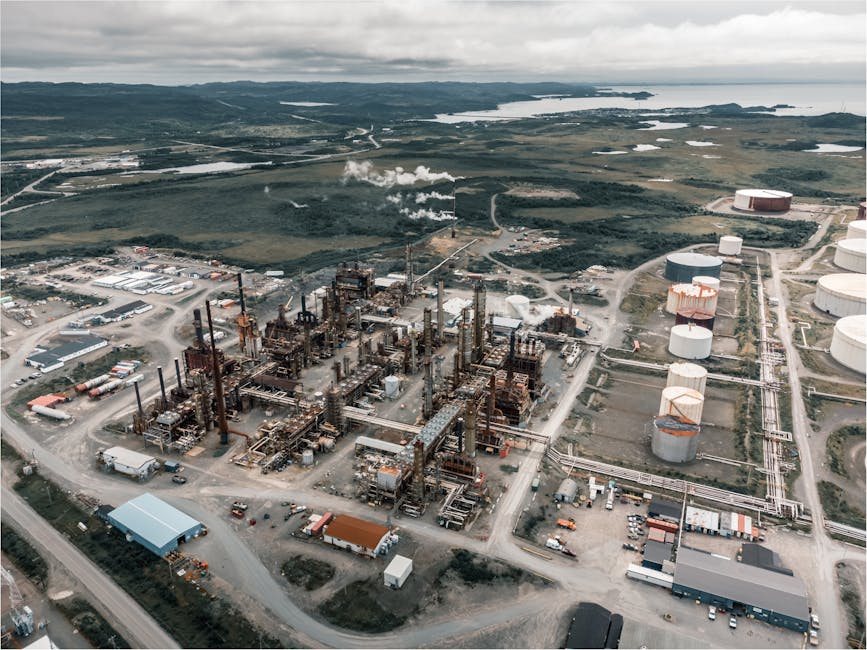
As the North American energy landscape continues to evolve, Canada’s vast energy basins have emerged as a hotbed of activity, attracting the attention of investors, startups, and major players alike. A recent surge in exploration and production has brought Canada’s onshore and offshore energy basins to the forefront, with $213 billion in potential reserves estimated to be waiting to be tapped. This significant discovery has sparked a heated debate about the country’s energy future, with some arguing that it represents a game-changer for the sector. But what lies behind this sudden interest in Canada’s energy basins?
The answer lies in the perfect storm of factors that have converged to make Canada an attractive destination for energy investors. The country’s friendly business environment, coupled with its relatively low operating costs, has made it an increasingly appealing location for energy companies looking to expand their operations. Additionally, the recent decline in oil prices has led to a renewed focus on exploration and production in Canada, as companies seek to offset declining production levels in other parts of the world.
Another key factor driving the interest in Canada’s energy basins is the country’s strong regulatory framework. The government has implemented policies aimed at promoting sustainable energy development, such as the Greenhouse Gas Pollution Pricing Act, which provides a carbon pricing regime for the energy sector. This regulatory environment has helped to attract investment in renewable energy projects, such as wind and solar power, which are expected to play an increasingly important role in Canada’s energy mix.
Furthermore, Canada’s energy basins are not just limited to onshore and offshore production. The country’s frontier basins, such as the Alaska and the Northwest Territories, hold significant potential for undiscovered oil and gas reserves. In fact, analysts at major brokerages have flagged the Beaufort Sea as one of the most promising frontier basins in the country, with estimates suggesting that it could hold up to $100 billion in potential reserves.
What’s Driving This
The recent surge in interest in Canada’s energy basins is not just driven by the country’s favorable business environment and regulatory framework. Technological advancements have also played a significant role in unlocking the country’s energy potential. Artificial intelligence, big data analytics, and robotics are just a few of the technologies that are being leveraged to improve energy production and exploration efficiency.
One company at the forefront of this technological revolution is Suncor Energy, a Canadian oil sands producer that has invested heavily in digital transformation initiatives. The company’s use of AI-powered predictive analytics has helped to improve its production forecasting and reduce costs by up to 20%. This is just one example of how technology is being used to unlock the full potential of Canada’s energy basins.
Another key factor driving the interest in Canada’s energy basins is the country’s geopolitical context. Canada’s energy industry has traditionally been heavily reliant on exports to the United States. However, with the increasing focus on energy independence in the US, Canada’s energy basins offer an attractive alternative for companies looking to diversify their supply chains.
Winners and Losers
As the interest in Canada’s energy basins continues to grow, some companies are poised to be major winners. Cenovus Energy, a Canadian oil company, has been actively exploring opportunities in the country’s oil sands and has invested heavily in downstream refining and marketing. The company’s focus on sustainable energy development has also helped to attract investors looking for companies with a long-term perspective.
On the other hand, some companies are struggling to adapt to the changing energy landscape. Encana Corporation, a Canadian oil and gas company, has faced significant challenges in recent years, including a decline in production levels and reduced revenue. The company’s diversification strategy, which includes investments in natural gas and coal, has not fully offset these losses.

Behind the Headlines
While the recent surge in interest in Canada’s energy basins has generated significant headlines, there are also concerns about the country’s energy transition. As the world moves towards a more sustainable energy mix, Canada’s energy sector is under pressure to adapt. Analysts at major brokerages have warned that the country’s energy industry may face significant challenges in the coming years, including increased competition from renewable energy sources.
However, the Canadian energy sector is not standing still. Investments in renewable energy, such as wind and solar power, are expected to play an increasingly important role in the country’s energy mix. Companies like TransCanada Corporation, which has invested heavily in pipelines and infrastructure, are also positioning themselves for a more sustainable energy future.
Industry Reaction
The recent surge in interest in Canada’s energy basins has sparked a heated debate in the industry about the country’s energy future. Industry associations, such as the Canadian Energy Association, have welcomed the increased interest in Canada’s energy basins, arguing that it represents a game-changer for the sector. However, environmental groups have raised concerns about the impact of increased energy production on the environment.

Investor Takeaways
For investors, the recent surge in interest in Canada’s energy basins offers a range of opportunities and risks. Companies with a strong focus on sustainable energy development, such as Cenovus Energy, are likely to attract investors looking for long-term value. However, companies with high levels of debt or declining production levels, such as Encana Corporation, may face significant challenges in the coming years.
Potential Risks
One of the key risks facing the Canadian energy sector is the increasing cost of production. As the country’s energy basins are increasingly developed, production costs are expected to rise, which could impact profitability. Additionally, regulatory uncertainty remains a significant concern, with changes to the country’s tax regime potentially impacting the industry’s profitability.

Looking Ahead
As the interest in Canada’s energy basins continues to grow, it’s clear that the country’s energy sector is at a critical juncture. Investors, policymakers, and industry leaders must work together to ensure that the country’s energy future is sustainable, equitable, and aligned with global energy trends. With the right strategy in place, Canada’s energy basins have the potential to unlock significant economic and environmental benefits for the country and the world.

