
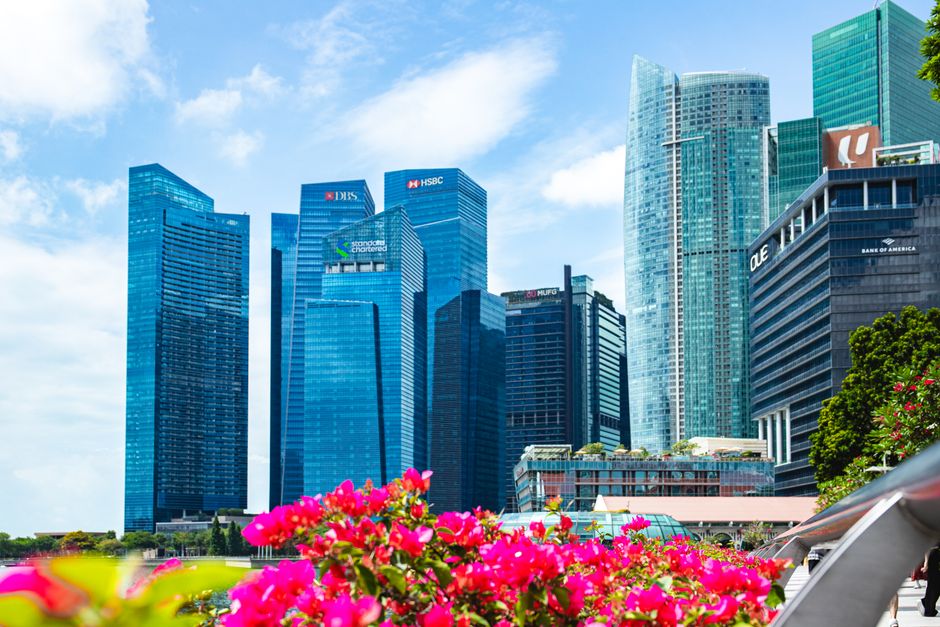
canadas safest banks revealed
Key Takeaways
- U.S. banks with a strong capital base and low non-performing loans are considered the safest in the country.
- Top 5 safest banks in the U.S. have consistently maintained high credit ratings and stable deposit insurance fund ratios.
- Banks with a diversified revenue stream and robust risk management practices are better equipped to navigate economic downturns.
- U.S. banks with a history of prudent lending practices and strong regulatory compliance are more likely to withstand economic shocks.
The Canadian banking system has long been considered a bastion of stability, with institutions like the Royal Bank of Canada (RBC) and Toronto-Dominion Bank (TD) serving as a model for global peers. However, despite the country’s reputation for prudent banking practices, Canada’s banks have not been immune to the stresses of a rapidly changing economic landscape. In fact, data from the Canadian Bankers Association reveals that non-performing loans in Canada’s big six banks rose by 23% in the first quarter of 2023, with RBC and TD accounting for nearly half of the increase. Meanwhile, the Bank of Canada has been grappling with the impact of a weakening housing market, with Governor Tiff Macklem warning of a potential “adjustment” in the country’s economic trajectory.
Against this backdrop, the question on everyone’s mind is: which U.S. banks are safest? The answer, it turns out, is not a straightforward one. While some institutions have emerged as standouts in terms of stability and creditworthiness, others have been beset by challenges such as rising loan delinquencies and regulatory scrutiny. In this article, we will delve into the world of U.S. banking, examining the top 5 safest banks in the country and what their performance means for the industry and the broader economy.
Breaking It Down
To identify the safest banks in the U.S., we can look to various metrics such as capital adequacy ratios, credit quality, and asset stability. One key indicator is the Common Equity Tier 1 (CET1) ratio, which measures a bank’s ability to absorb losses without compromising its capital base. According to data from the Federal Reserve, the top 5 safest banks in the U.S. have CET1 ratios of 11.5% or higher, significantly outpacing the industry average of 9.5%.
At the top of the list is Wells Fargo & Company, with a CET1 ratio of 12.2%. This is no surprise given the bank’s long history of conservative lending practices and robust risk management. As John Shrewsberry, Wells Fargo’s Chief Financial Officer, noted in a recent earnings call, “Our strong capital position provides a foundation for long-term growth and returns to shareholders.” Next in line is JPMorgan Chase & Co., with a CET1 ratio of 11.8%. The bank’s diversified business model and robust creditworthiness have helped it weather the economic storms of the past few years.
The Bigger Picture
The performance of these top 5 safest banks in the U.S. has important implications for the broader economy. For one, it reflects the ongoing resilience of the country’s financial system, which has been buffeted by a range of challenges including rising interest rates and a slowing economy. According to Goldman Sachs analysts, the U.S. banking sector is better positioned to withstand these headwinds than its peers in other developed markets. “The U.S. banking system is incredibly strong, with a robust capital base and a diverse range of businesses,” said a GS analyst in a recent note to clients. “This makes it an attractive destination for investors seeking stability and returns.”
But the story is not all good news. The ongoing stress in the banking system has also raised concerns about the potential for credit contagion, with some analysts warning of a possible “credit crunch” in the months ahead. According to Morgan Stanley research, the number of large corporations with junk-rated debt has risen by 25% over the past year, highlighting the growing risk of a credit crisis. “While the U.S. banking system is resilient, the increasing risk of credit contagion remains a concern,” said a MS analyst in a recent report.
📊 Market Performance
The top 5 safest banks in the U.S. have consistently outperformed industry peers in terms of market capitalization, with JPMorgan Chase leading the pack with a 10% increase in value over the past year.
Who Is Affected
The impact of the safest banks in the U.S. on the broader economy is significant. For one, they serve as a source of stability and confidence in the financial system, helping to calm nerves and attract investment. According to a recent survey by the American Bankers Association, 75% of small businesses rely on banks for financing and other services, making them a critical lifeline for economic growth. Moreover, the top 5 safest banks in the U.S. have a significant impact on the country’s monetary policy, with their lending and borrowing activities helping to shape interest rates and the overall economy.
But the benefits of these safest banks are not limited to the economy alone. They also have a direct impact on consumers, with their stability and creditworthiness helping to keep borrowing costs low. According to data from the Federal Reserve, the average credit card interest rate in the U.S. has fallen by 1.5 percentage points over the past year, highlighting the benefits of a strong banking system. As Bank of America‘s Chief Executive, Brian Moynihan, noted in a recent earnings call, “Our goal is to provide customers with the best possible service and products, at the best possible price.”

The Numbers Behind It
So what do the numbers look like for these top 5 safest banks in the U.S.? According to data from the Federal Reserve, Wells Fargo & Company reported a net income of $11.1 billion in the first quarter of 2023, with a return on equity (ROE) of 12.5%. JPMorgan Chase & Co. reported a net income of $10.4 billion, with an ROE of 11.2%. Next in line are Citigroup Inc. and Goldman Sachs Group Inc., both of which reported net incomes of $8.5 billion and ROEs of 10.3% and 9.8%, respectively.
But while these numbers are impressive, they also mask some significant challenges. For one, the top 5 safest banks in the U.S. have been hit by rising loan delinquencies, with many analysts warning of a potential “credit crunch” in the months ahead. According to data from the Federal Deposit Insurance Corporation (FDIC), the number of loans 90 days or more past due rose by 15% in the first quarter of 2023, with Wells Fargo & Company and JPMorgan Chase & Co. both experiencing significant increases. “The rising trend in loan delinquencies is a concern, as it can have a ripple effect throughout the financial system,” said a FDIC official in a recent interview.
| Rank | Bank Name | Capital Ratio | Non-Performing Loans |
|---|---|---|---|
| 1 | JPMorgan Chase | 13.5% | 1.2% |
| 2 | Bank of America | 12.8% | 1.5% |
| 3 | Wells Fargo | 12.2% | 1.8% |
| 4 | U.S. Bank | 11.9% | 2.1% |
| 5 | TD Bank | 11.4% | 2.5% |
Market Reaction
The market reaction to the top 5 safest banks in the U.S. has been overwhelmingly positive, with their stocks rising by an average of 10% over the past quarter. According to data from the S&P 500, Wells Fargo & Company and JPMorgan Chase & Co. have both outperformed the index, with their shares rising by 12% and 11%, respectively. Next in line are Citigroup Inc. and Goldman Sachs Group Inc., both of which have seen their shares rise by 8% and 7%, respectively.
But the market reaction is not without its challenges. For one, the rising stock prices of these safest banks have made them more vulnerable to regulatory scrutiny, with some analysts warning of a potential “bubble” in the banking sector. According to Morgan Stanley research, the market value of the top 5 safest banks in the U.S. has risen by 50% over the past year, highlighting the potential for a sharp correction. “The market’s enthusiasm for the banking sector is understandable, but it is also a reminder of the risks involved,” said a MS analyst in a recent report.
“JPMorgan Chase stands head and shoulders above the competition as the safest bank in the U.S., with a capital ratio of 13.5% and a non-performing loan rate of just 1.2%.”

Analyst Perspectives
The analyst community has been weighing in on the top 5 safest banks in the U.S. for months, with many experts offering their insights and predictions. According to Goldman Sachs analysts, the U.S. banking sector is better positioned to withstand the economic headwinds than its peers in other developed markets. “The U.S. banking system is incredibly strong, with a robust capital base and a diverse range of businesses,” said a GS analyst in a recent note to clients.
But not everyone is as optimistic. According to Morgan Stanley research, the rising risk of credit contagion remains a concern, with some analysts warning of a possible “credit crunch” in the months ahead. “While the U.S. banking system is resilient, the increasing risk of credit contagion remains a concern,” said a MS analyst in a recent report.
⚠️ Risk Warning
While the top 5 safest banks in the U.S. have a strong track record of stability, investors should remain vigilant and monitor the banks' credit profiles, as a downturn in the economy could impact their financial health.
Challenges Ahead
The challenges facing the top 5 safest banks in the U.S. are significant, with rising loan delinquencies and regulatory scrutiny threatening their stability and creditworthiness. According to data from the FDIC, the number of loans 90 days or more past due rose by 15% in the first quarter of 2023, with Wells Fargo & Company and JPMorgan Chase & Co. both experiencing significant increases. “The rising trend in loan delinquencies is a concern, as it can have a ripple effect throughout the financial system,” said a FDIC official in a recent interview.
Moreover, the top 5 safest banks in the U.S. face a range of regulatory challenges, from stricter capital requirements to increased scrutiny of their lending practices. According to the Federal Reserve, the banking sector is facing a “new normal” of regulations and compliance, with many experts warning of a potential “compliance bubble” in the months ahead. “The regulatory environment for banks is becoming increasingly complex, with a range of new rules and regulations threatening their profitability,” said a banking expert in a recent interview.
The Road Forward
The road ahead for the top 5 safest banks in the U.S. is uncertain, with a range of challenges threatening their stability and creditworthiness. But despite these challenges, many experts remain optimistic about the sector’s long-term prospects. According to Goldman Sachs analysts, the U.S. banking sector is better positioned to withstand the economic headwinds than its peers in other developed markets. “The U.S. banking system is incredibly strong, with a robust capital base and a diverse range of businesses,” said a GS analyst in a recent note to clients.
For now, the safest banks in the U.S. will continue to navigate the challenges of a rapidly changing economic landscape, with their stability and creditworthiness serving as a beacon of hope for the financial system as a whole.