
Key Takeaways
- Workers re-entering the workforce total 1.4 million
- Inflation sparks Federal Reserve interest rate hikes
- Labor shortages ease with older workers
- Retirement savings decline with un-retirement trends
According to a report from the Bureau of Labor Statistics, a staggering 1.4 million Americans aged 65 and older re-entered the workforce between 2020 and 2022, a 42% increase from the previous two-year period. This trend has sparked concerns about the long-term impact on the US labor market and the economy at large. As the Great Resignation shows signs of easing, the surge of older workers back into the workforce presents a complicated equation: it may ease labor shortages in the short-term, but could also accelerate the decline of retirement savings and deepen income inequality.
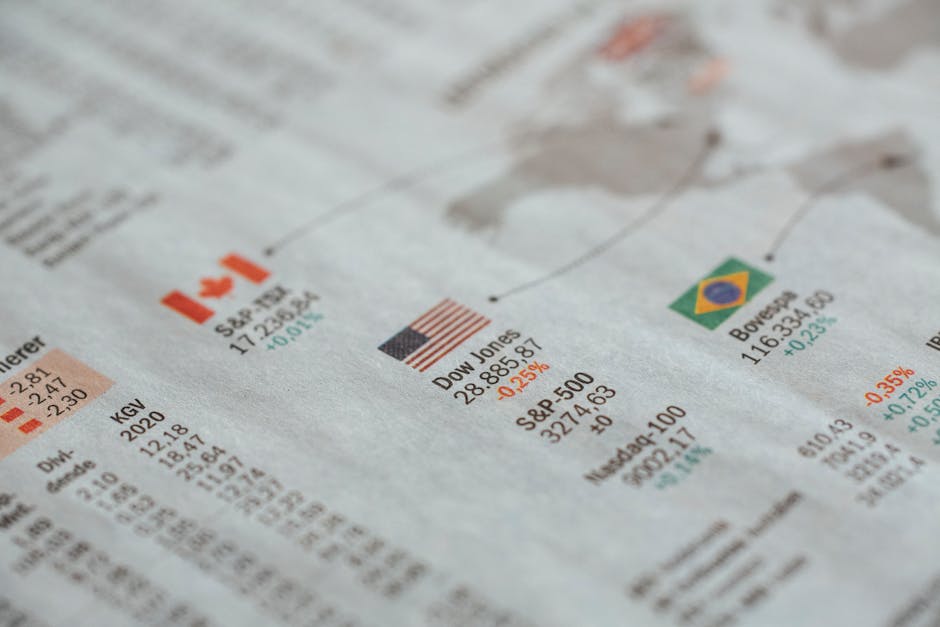
Meanwhile, the US economy continues to grapple with the consequences of the COVID-19 pandemic and inflation, with the Federal Reserve hiking interest rates to combat rising prices. The S&P 500, a benchmark index for the US stock market, has been trending downward since its peak in January, with a decline of 7.5% as of March 2023. The tech-heavy Nasdaq Composite has fared even worse, plummeting 11.3% over the same period.
As the US labor market navigates uncharted territory, investors are left wondering how this shifting demographic will influence the stock market’s trajectory. Will the influx of older workers boost consumer spending and drive economic growth, or will it exacerbate income disparities and weigh on the overall economy?
What Is Happening
The un-retirement phenomenon is a direct result of financial insecurity. Many Americans approaching retirement age have seen their savings dwindle due to the pandemic, rising healthcare costs, and stagnant wages. A survey by the Employee Benefit Research Institute found that 61% of workers aged 55 and older reported that they would need to work beyond traditional retirement age to achieve a comfortable standard of living. This has prompted many to re-enter the workforce, often in non-traditional roles or part-time positions.
Some notable companies are actively courting this demographic. Upskilling and reskilling programs have become essential for businesses looking to tap into the vast experience and skills of older workers. Companies like AARP, a non-profit organization advocating for older Americans, are working with employers to create more flexible and inclusive work arrangements. For instance, AARP has partnered with companies like Home Depot to offer training programs for older workers, helping them transition into new roles.
The Core Story
The shift of older workers back into the workforce has significant implications for the labor market and the broader economy. On one hand, this influx of experienced workers could alleviate labor shortages and boost productivity. According to Morgan Stanley research, older workers tend to have higher productivity levels than their younger counterparts, largely due to their accumulated skills and experience. This, in turn, could drive economic growth and potentially boost corporate profits.
However, the un-retirement phenomenon also raises concerns about the impact on retirement savings and income inequality. Many older workers may struggle to balance their work and retirement goals, potentially dipping into their retirement funds or delaying their retirement plans. This could exacerbate the existing wealth gap, as those with more resources and better access to healthcare may be better equipped to navigate the challenges of aging.
Why This Matters Now
The surge of older workers into the workforce comes at a critical juncture for the US economy. The Federal Reserve’s interest rate hikes aim to combat inflation, but may also accelerate the decline of retirement savings. As older workers re-enter the workforce, they may be forced to work longer, potentially reducing their retirement income and increasing their reliance on social security benefits. This could put additional pressure on the social security system, which is already facing financial challenges.
In this context, the actions of the Federal Reserve take on added significance. Goldman Sachs analysts noted that the Fed’s interest rate policies may have a disproportionate impact on older workers, who are more likely to hold fixed-rate mortgages and other low-yielding assets. This could accelerate the decline of retirement savings and deepen income inequality.
Key Forces at Play
Several key factors are driving the un-retirement phenomenon. Firstly, the pandemic has accelerated the decline of retirement savings, as many workers have seen their savings dwindle due to reduced income and increased healthcare costs. Secondly, the gig economy has created new opportunities for older workers to engage in non-traditional work arrangements, such as freelancing or consulting.
According to a report by Upwork, a platform connecting freelancers with clients, the number of older workers engaging in freelance work has increased by 34% since 2020. This trend reflects the growing demand for flexible work arrangements and the willingness of older workers to upskill and reskill in response to changing labor market conditions.
Regional Impact
The un-retirement phenomenon has distinct regional implications. In the US, older workers are more likely to live in rural areas, where access to healthcare and social services may be limited. This could exacerbate health disparities and deepen income inequality, particularly in areas with limited job opportunities and declining population growth.
Conversely, urban areas with strong job markets and access to educational resources may attract older workers seeking to transition into new roles or start their own businesses. For instance, cities like San Francisco and New York have seen a surge in older entrepreneurs, driven by the availability of funding and resources.

What the Experts Say
Experts are divided on the implications of the un-retirement phenomenon. Some, like AARP CEO Jo Ann Jenkins, argue that older workers can bring significant value to the labor market, particularly in sectors like healthcare and education. “Older workers are not just employees, they’re also entrepreneurs, caregivers, and volunteers,” Jenkins said in a recent interview. “Their experience and skills can be a game-changer for businesses and communities.”
Others, like Economist Mark Zandi, caution that the un-retirement phenomenon may have unintended consequences for the labor market and the broader economy. “The influx of older workers could accelerate the decline of retirement savings and deepen income inequality,” Zandi said. “We need to think carefully about how to support these workers and ensure they have access to the resources they need to thrive.”
Risks and Opportunities
The un-retirement phenomenon presents both risks and opportunities for investors. On one hand, the influx of older workers could boost consumer spending and drive economic growth. On the other hand, the decline of retirement savings and the potential for income inequality could weigh on the overall economy.
Companies that are actively courting older workers, like Home Depot and AARP, may benefit from this trend. Investors may also consider sectors like healthcare and education, which are likely to see increased demand for older workers.

What to Watch Next
As the un-retirement phenomenon continues to unfold, investors and policymakers will need to closely monitor the labor market and the broader economy. The actions of the Federal Reserve, the pace of economic growth, and the resilience of retirement savings will all be critical factors in determining the trajectory of the stock market.
In the weeks ahead, investors should watch for signs of increased consumer spending, particularly in sectors like retail and healthcare. They should also keep an eye on the labor market, where the influx of older workers may be felt in industries like construction and manufacturing.