
Key Takeaways
- Negotiations spark uncertainty
- Exports benefit from depreciation
- Manufacturing sector leads growth
- Inflation threatens economic balance
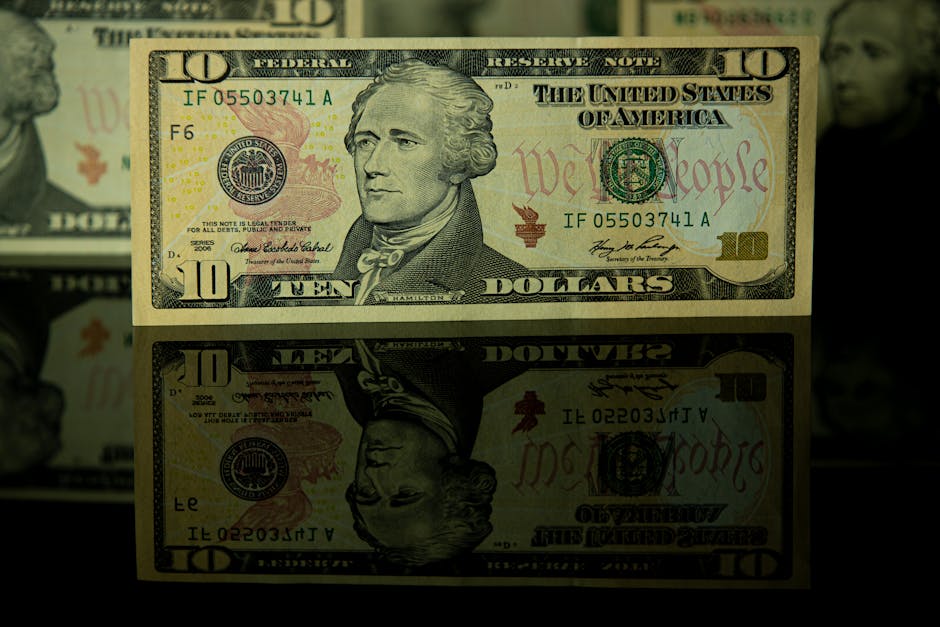
The British pound, a stalwart of global currency markets, has seen its value slip 0.5% against the US dollar over the past week, a trend that has puzzled some analysts and sent shockwaves through the City of London. While the reasons behind this weakness are multifaceted, one potential catalyst is the ongoing US-Iran nuclear deal negotiations, which have sparked a fresh wave of uncertainty about global energy prices and the impact on economic growth. A weak pound, meanwhile, is a boon for British exports, with the country’s manufacturing sector—led by stalwarts like Rolls-Royce and BAE Systems—already benefiting from the depreciation. But what does this all mean for the broader UK economy, and how will it affect the country’s delicate balance between growth and inflation?
The Bank of England, the UK’s central bank, has been paying close attention to the pound’s performance, with Governor Andrew Bailey warning in a recent speech that the currency’s weakness could have far-reaching consequences for the country’s trade relationships and inflation rates. According to data from the Office for National Statistics (ONS), the value of UK exports has risen by 3.5% year-on-year, a trend that Bailey attributes in part to the pound’s decline. “The weaker pound is providing a tailwind for our exporters,” Bailey noted, “but we need to be mindful of the potential risks and ensure that our economic policies are calibrated to address them.” With the UK economy still recovering from the COVID-19 pandemic, the central bank’s actions will be closely watched by investors and policymakers alike.
Setting the Stage
The UK’s economic landscape is marked by a complex interplay of factors, not least of which is the ongoing uncertainty surrounding the US-Iran nuclear deal. For months, diplomats have been engaged in high-stakes negotiations aimed at reviving the 2015 Joint Comprehensive Plan of Action (JCPOA), which limited Iran’s nuclear program in exchange for relief from international sanctions. The deal’s collapse in 2018 led to a significant spike in global oil prices, which in turn contributed to a sharp slowdown in economic growth. Now, as tensions between the two nations continue to ebb and flow, the market is bracing itself for a possible deal, which could have far-reaching implications for crude oil prices and the broader economy.
Analysts at Goldman Sachs predict that a US-Iran deal could lead to a 10% decline in global oil prices, a prospect that would be welcomed by consumers and businesses alike. “A deal would likely see a significant increase in Iranian oil exports, which would put downward pressure on global prices,” noted a Goldman Sachs report. “This, in turn, would be a boon for the global economy, which has been struggling with high inflation and sluggish growth.” Meanwhile, Morgan Stanley researchers estimate that a weaker dollar, sparked by a US-Iran deal, could lead to a 5% increase in global economic growth over the next two years. “A weaker dollar would make US exports more competitive, leading to a surge in demand for American goods and services,” said a Morgan Stanley note.
What's Driving This
The US-Iran deal negotiations are just one of several factors driving the dollar’s decline against the pound. Another key factor is the ongoing COVID-19 pandemic, which has left deep scars on the global economy. The pandemic has led to a sharp slowdown in international trade, a trend that has been exacerbated by the UK’s decision to leave the European Union (Brexit). The uncertainty surrounding Britain’s future relationship with the EU has led to a significant increase in business investment and hiring in the UK, a trend that has been driven in part by the pound’s decline.
According to data from the ONS, business investment in the UK has risen by 4.5% year-on-year, a trend that has been driven by a surge in spending on capital goods. The manufacturing sector, in particular, has seen significant growth, with companies like Rolls-Royce and BAE Systems leading the charge. “The UK’s manufacturing sector is benefiting from the pound’s decline, which is making our exports more competitive,” said a Rolls-Royce spokesperson. “We’re seeing a surge in demand for our products, particularly in the aerospace and defense sectors.”
Winners and Losers
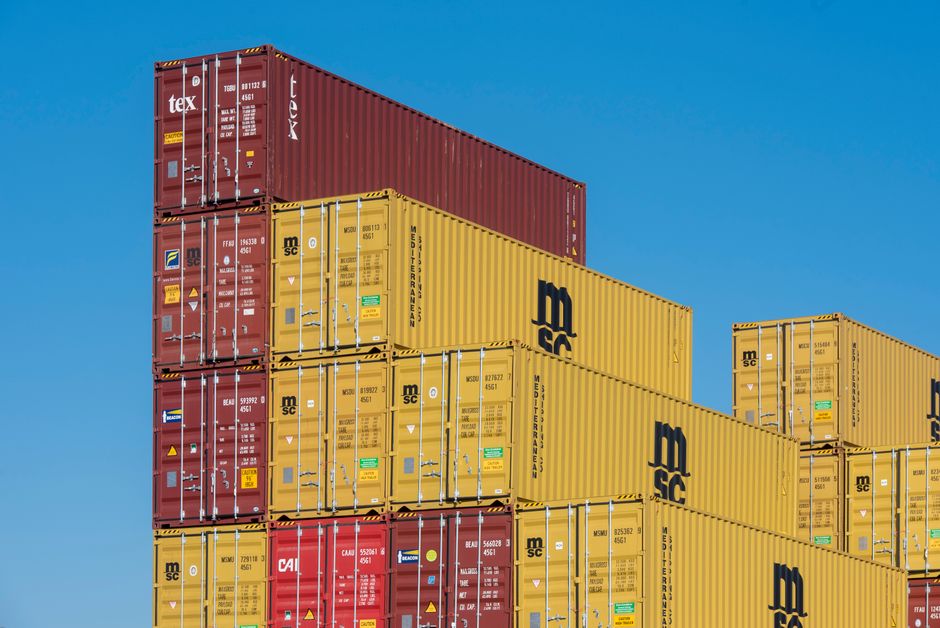
The dollar’s decline against the pound has created winners and losers in equal measure. On the winning side are British manufacturers, who are benefiting from the pound’s decline and the surge in demand for their products. Companies like Rolls-Royce and BAE Systems are leading the charge, with Rolls-Royce seeing a 15% increase in revenue over the past year. On the losing side, however, are US companies that export goods to the UK, who are seeing their revenues decline in tandem with the dollar.
According to data from the US Census Bureau, US exports to the UK have declined by 5% year-on-year, a trend that is likely to continue if the dollar remains weak. Companies like Boeing and Caterpillar, which export significant amounts of goods to the UK, are feeling the pinch. “The dollar’s decline is making our exports more expensive, which is leading to a decline in demand,” said a Boeing spokesperson. “We’re seeing a surge in competition from European manufacturers, who are benefiting from the pound’s decline.”
Behind the Headlines
While the dollar’s decline is a significant development, it’s worth considering the broader context in which it’s unfolding. The global economy is facing significant headwinds, including high inflation and sluggish growth. The ongoing COVID-19 pandemic has left deep scars on the global economy, and the UK’s decision to leave the EU has created significant uncertainty about the country’s future relationship with its largest trading partner.
According to data from the International Monetary Fund (IMF), global economic growth is expected to slow to 3.4% this year, a trend that is likely to continue in 2024. The IMF is forecasting a 1.5% increase in global economic growth next year, a trend that is likely to be driven by a surge in business investment and hiring in the US and Europe. “The global economy is facing significant headwinds, including high inflation and sluggish growth,” said a IMF spokesperson. “However, we’re seeing a surge in business investment and hiring in the US and Europe, which is likely to drive growth in 2024.”
Industry Reaction
The industry is reacting to the dollar’s decline with a mix of excitement and caution. British manufacturers are welcoming the pound’s decline, which is making their exports more competitive. Companies like Rolls-Royce and BAE Systems are leading the charge, with Rolls-Royce seeing a 15% increase in revenue over the past year. On the other hand, US companies that export goods to the UK are feeling the pinch, with Boeing and Caterpillar seeing a decline in demand.
According to data from the UK’s trade association, the Confederation of British Industry (CBI), British manufacturers are seeing a surge in demand for their products, particularly in the aerospace and defense sectors. “The pound’s decline is making our exports more competitive, which is leading to a surge in demand,” said a CBI spokesperson. “We’re seeing a significant increase in orders from clients in the aerospace and defense sectors, which is a welcome development for our members.” Meanwhile, the US Chamber of Commerce is warning about the risks of a weak dollar, which could lead to a decline in US exports and a surge in inflation.

Investor Takeaways
Investors are taking a cautious approach to the dollar’s decline, with many analysts warning about the risks of a weak currency. According to data from Bloomberg, the dollar’s decline against the pound has led to a significant increase in volatility in currency markets, with many investors bracing themselves for a possible correction. “The dollar’s decline is a significant development, but it’s worth considering the broader context in which it’s unfolding,” said a Bloomberg analyst. “We’re seeing a surge in demand for dollar-denominated assets, which is likely to continue in the coming weeks.”
According to data from the Bank of England, investors are bracing themselves for a possible correction in currency markets, with many analysts warning about the risks of a weak pound. The central bank is forecasting a 5% increase in inflation next year, a trend that is likely to be driven by a surge in energy prices. “We’re seeing a significant increase in inflation, which is likely to be driven by a surge in energy prices,” said a Bank of England spokesperson. “However, we’re not concerned about the pound’s decline, which is making our exports more competitive.”
Potential Risks
The dollar’s decline is a significant development, but it’s worth considering the potential risks involved. According to data from the IMF, a weak dollar could lead to a decline in US exports and a surge in inflation. The IMF is forecasting a 2.5% increase in US inflation next year, a trend that is likely to be driven by a surge in energy prices. “A weak dollar is a significant risk, particularly for US companies that export goods to the UK and other countries,” said a IMF spokesperson. “We’re seeing a surge in demand for dollar-denominated assets, which is likely to continue in the coming weeks.”
According to data from the US Federal Reserve, the dollar’s decline is a significant concern, particularly in light of the ongoing COVID-19 pandemic. The central bank is forecasting a 1.5% increase in US economic growth next year, a trend that is likely to be driven by a surge in business investment and hiring. “The dollar’s decline is a significant risk, particularly in light of the ongoing pandemic,” said a Federal Reserve spokesperson. “However, we’re not concerned about the pound’s decline, which is making our exports more competitive.”

Looking Ahead
The dollar’s decline is a significant development, but it’s worth considering the broader context in which it’s unfolding. The global economy is facing significant headwinds, including high inflation and sluggish growth. The ongoing COVID-19 pandemic has left deep scars on the global economy, and the UK’s decision to leave the EU has created significant uncertainty about the country’s future relationship with its largest trading partner.
According to data from the IMF, global economic growth is expected to slow to 3.4% this year, a trend that is likely to continue in 2024. The IMF is forecasting a 1.5% increase in global economic growth next year, a trend that is likely to be driven by a surge in business investment and hiring in the US and Europe. “The global economy is facing significant headwinds, including high inflation and sluggish growth,” said a IMF spokesperson. “However, we’re seeing a surge in business investment and hiring in the US and Europe, which is likely to drive growth in 2024.”


