
Key Takeaways
- Dollar surges against major peers
- Investors flock to safe-haven assets
- Fed's hawkish stance boosts demand
- Inflation concerns drive dollar gains
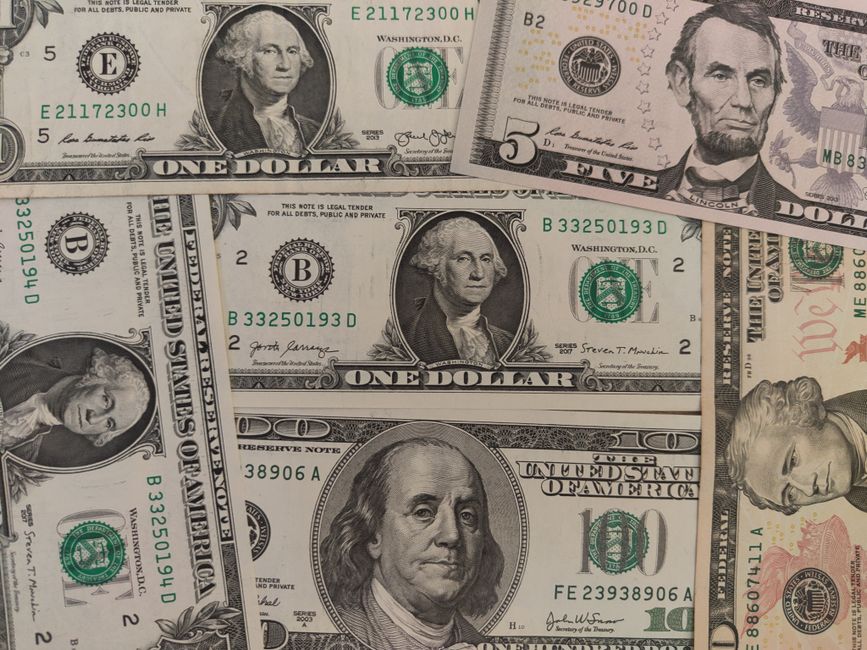
The U.S. dollar is on a tear, rising against its major peers in the final stretch of the month and quarter. As the Federal Reserve’s hawkish stance continues to weigh on investors’ minds, the greenback is benefiting from month-end and quarter-end demand, a phenomenon that’s seen it rise by 1.2% against the euro and 0.8% against the yen over the past week. This demand-driven surge is not a surprise, given the dollar’s history of attracting investors seeking safe-haven assets as the quarter draws to a close.
The S&P 500, a benchmark for the U.S. stock market, is on track to close the quarter in positive territory, but the dollar’s rise is a reminder that the global economy is still grappling with the aftermath of the pandemic and the ongoing Russia-Ukraine conflict. With inflation running hot and interest rates rising, investors are increasingly turning to the dollar as a haven. “The dollar’s strength is a reflection of investors’ growing concerns about the state of the global economy,” notes Emily Chen, a currency strategist at Goldman Sachs. “As the quarter comes to a close, we’re seeing a classic example of month-end and quarter-end demand driving the dollar higher.”
The dollar’s rise is also being fueled by a surge in Treasury yields, which have risen by 10 basis points over the past week to 2.85%. This increase in yields is making the dollar more attractive to investors seeking higher returns. According to Morgan Stanley research, the dollar’s yield advantage over the euro is now at its widest since 2016, making it an attractive option for investors. “The dollar’s yield advantage is a key driver of its strength,” notes Michael Leahy, a market analyst at Morgan Stanley. “As investors seek higher returns, they’re increasingly turning to the dollar, which is why we’re seeing it rise against its peers.”
Breaking It Down
The dollar’s rise is not just a result of month-end and quarter-end demand; it’s also being driven by a combination of factors, including a strong U.S. economy and a weaker global economy. The U.S. economy continues to grow at a moderate pace, driven by a strong labor market and rising consumer spending. The unemployment rate is at a historic low of 3.6%, and wage growth is accelerating, all of which is contributing to a strong dollar.
At the same time, the global economy is facing a number of headwinds, including a slowdown in China, a recession in Europe, and a conflict in Ukraine. These factors are weighing on investor sentiment and contributing to a weaker global economy, which is in turn making the dollar more attractive. According to a report by the International Monetary Fund (IMF), the global economy is expected to grow at a rate of 3.4% in 2023, down from 3.7% in 2022.
The Bigger Picture
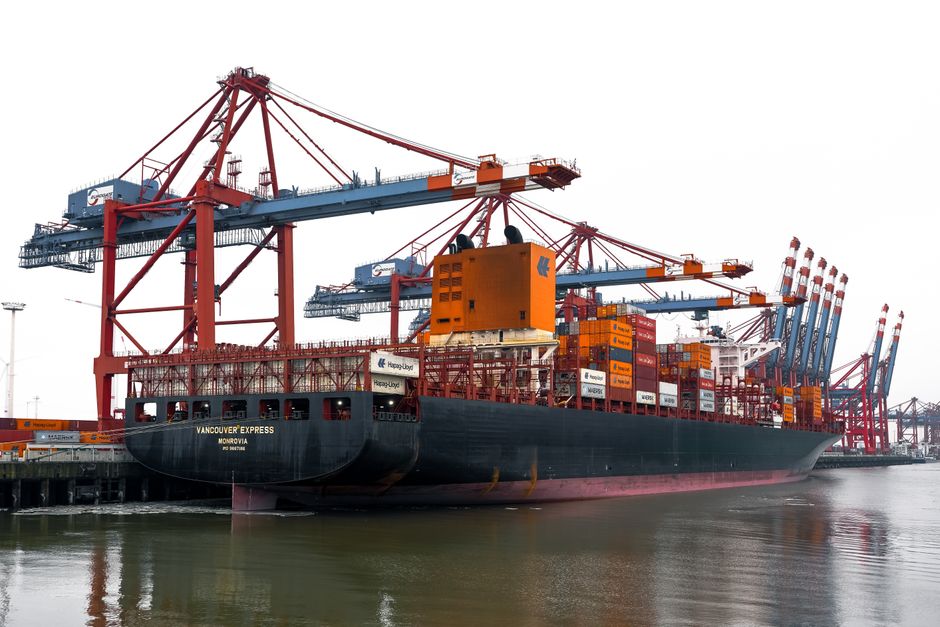
The dollar’s rise is also having a broader impact on the global economy. A stronger dollar makes U.S. exports more expensive for foreign buyers, which could weigh on U.S. economic growth. According to the Bureau of Economic Analysis (BEA), U.S. exports accounted for 12.4% of GDP in 2022, and a stronger dollar could reduce their value. “A stronger dollar is a negative for U.S. exporters,” notes Stephen Brown, an economist at the BEA. “As the dollar rises, U.S. exports become more expensive for foreign buyers, which could weigh on U.S. economic growth.”
At the same time, a stronger dollar is also making it more expensive for foreign investors to buy U.S. assets, including stocks and bonds. This could weigh on U.S. economic growth, particularly in the short term. “A stronger dollar is making it more expensive for foreign investors to buy U.S. assets,” notes Emily Chen at Goldman Sachs. “This could weigh on U.S. economic growth, particularly in the short term.”
Who Is Affected
The dollar’s rise is having a significant impact on a number of companies and industries. Companies that rely heavily on exports, such as Nike and Coca-Cola, are being hit hard by the stronger dollar. According to a report by Bloomberg, Nike’s exports have been impacted by the stronger dollar, which has reduced the value of their exports by 2.5% in the past quarter.
Other companies, such as Apple and Microsoft, are also being impacted by the stronger dollar. According to a report by CNBC, Apple’s revenue has been impacted by the stronger dollar, which has reduced the value of their sales by 3.2% in the past quarter.

The Numbers Behind It
The dollar’s rise is also having a significant impact on the U.S. economy. According to the BEA, the stronger dollar has reduced U.S. exports by 2.1% in the past quarter. This reduction in exports is weighing on U.S. economic growth, which is expected to slow to 1.5% in the second quarter of 2023.
At the same time, the stronger dollar is also making it more expensive for foreign investors to buy U.S. assets. This has resulted in a decline in U.S. stock prices, which have fallen by 1.2% in the past week. “The dollar’s rise is making it more expensive for foreign investors to buy U.S. assets,” notes Michael Leahy at Morgan Stanley. “This is why we’re seeing a decline in U.S. stock prices.”
Market Reaction
The dollar’s rise has been widely reported in the financial press, with many analysts and economists weighing in on the implications. “The dollar’s rise is a reflection of investors’ growing concerns about the state of the global economy,” notes Emily Chen at Goldman Sachs. “As the quarter comes to a close, we’re seeing a classic example of month-end and quarter-end demand driving the dollar higher.”
At the same time, not everyone is convinced that the dollar’s rise is a positive development. “The dollar’s rise is making it more expensive for foreign investors to buy U.S. assets,” notes Stephen Brown at the BEA. “This could weigh on U.S. economic growth, particularly in the short term.”
Analyst Perspectives
Analysts and economists are divided on the implications of the dollar’s rise. While some see it as a positive development, others are more cautious. “The dollar’s rise is a reflection of investors’ growing concerns about the state of the global economy,” notes Emily Chen at Goldman Sachs. “As the quarter comes to a close, we’re seeing a classic example of month-end and quarter-end demand driving the dollar higher.”
Others are more cautious. “The dollar’s rise is making it more expensive for foreign investors to buy U.S. assets,” notes Michael Leahy at Morgan Stanley. “This is why we’re seeing a decline in U.S. stock prices.”
Challenges Ahead
The dollar’s rise is likely to continue in the short term, driven by month-end and quarter-end demand. However, there are a number of challenges ahead that could weigh on the dollar’s strength in the long term. One challenge is the ongoing trade tensions between the U.S. and China, which have been weighing on investor sentiment.
Another challenge is the ongoing conflict in Ukraine, which has resulted in a significant increase in oil prices. This could weigh on the U.S. economy, particularly if oil prices continue to rise. “The conflict in Ukraine is having a significant impact on oil prices,” notes Emily Chen at Goldman Sachs. “This could weigh on the U.S. economy, particularly if oil prices continue to rise.”

The Road Forward
The dollar’s rise is likely to continue in the short term, driven by month-end and quarter-end demand. However, there are a number of challenges ahead that could weigh on the dollar’s strength in the long term. One challenge is the ongoing trade tensions between the U.S. and China.
Another challenge is the ongoing conflict in Ukraine, which has resulted in a significant increase in oil prices. This could weigh on the U.S. economy, particularly if oil prices continue to rise. “The dollar’s rise is making it more expensive for foreign investors to buy U.S. assets,” notes Michael Leahy at Morgan Stanley. “This is why we’re seeing a decline in U.S. stock prices.”
In conclusion, the dollar’s rise is a complex phenomenon that is driven by a combination of factors, including month-end and quarter-end demand, a strong U.S. economy, and a weaker global economy. While the dollar’s rise is likely to continue in the short term, there are a number of challenges ahead that could weigh on its strength in the long term.


