
Key Takeaways
- Investors reassess portfolios amid dollar decline
- Deutsche Bank reports 1.2% DXY fall
- Markets navigate US-Iran ceasefire volatility
- Fed watches dollar amid interest rate shifts
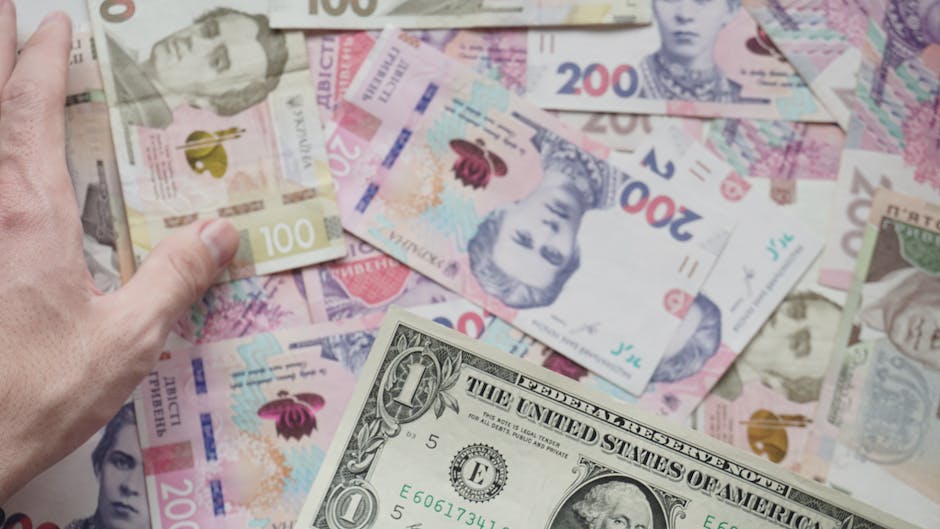
The United States Dollar has been a stalwart of global finance, representing a significant portion of the world’s reserve currency. However, amidst the tumultuous backdrop of US-Iran ceasefire deal negotiations, the dollar is poised to suffer a weekly loss for the first time in nearly two months. This unexpected twist has sparked concerns among investors, who are now scrambling to reassess their portfolios and navigate the volatile markets. According to a report by Deutsche Bank, the US Dollar Index (DXY) has fallen by 1.2% in the past week, with some analysts predicting further declines in the coming days.
This development is particularly noteworthy given the dollar’s recent surge to a two-year high in March, buoyed by a strengthening economy and rising interest rates. The Federal Reserve’s decision to cut interest rates in March 2020 had triggered a massive sell-off in the dollar, but the subsequent rate hikes in 2022 have seen the greenback regain its footing. However, the ceasefire deal, which aims to ease tensions between the US and Iran, has injected uncertainty into the markets and is sending shockwaves through the dollar.
One analyst who sees this as a significant turning point is Tom Lee, co-founder of Fundstrat Global Advisors. “The dollar’s decline is a clear vote of no confidence in the US economy,” he notes. “The ceasefire deal has removed a major tailwind for the dollar, and now we’re seeing investors take a step back and reassess their exposure to the US currency.” Lee’s views are echoed by Goldman Sachs analysts, who predict a 2% decline in the dollar over the next quarter, citing the ceasefire deal as a key factor. “The deal has created a new dynamic in the markets, with investors now focused on the potential for increased global growth and reduced trade tensions,” they note.
Breaking It Down
The US-Iran ceasefire deal is a complex issue, with far-reaching implications for the global economy. At its core, the deal aims to ease tensions between the two nations, which have been locked in a bitter dispute over Iran’s nuclear program. The agreement, announced last week, has been hailed as a major breakthrough by diplomats and analysts alike, who see it as a crucial step towards reducing the risk of conflict in the region. However, the deal also raises questions about the potential impact on the global economy, particularly in terms of oil prices.
One key aspect of the deal is its potential impact on oil prices. Iran is a major oil producer, and a reduction in tensions could lead to increased oil production and, subsequently, lower prices. According to BP’s latest energy report, global oil demand is expected to rise by 2.2 million barrels per day in 2023, driven largely by growth in Asia. However, the ceasefire deal has already seen oil prices decline by over 5%, with some analysts predicting further declines in the coming days. “The deal has created a perfect storm for oil prices,” notes RBC Dominion Securities analyst Helima Croft. “We’re seeing a combination of reduced tensions, increased oil production, and weak global demand, all of which are pushing down prices.”
The Bigger Picture
The US-Iran ceasefire deal is just one aspect of a broader narrative that is playing out in global markets. The deal is part of a larger trend towards reduced trade tensions and increased global growth, which is creating a new dynamic in the markets. One key driver of this trend is the global economic recovery, which is gaining momentum as central banks continue to provide stimulus and governments implement fiscal policies to boost growth. According to the International Monetary Fund (IMF), global GDP growth is expected to rise by 3.4% in 2023, driven largely by growth in Asia and the US.
However, this growth narrative is not without its challenges. The global economy is facing a range of headwinds, including rising inflation, a strengthening US dollar, and ongoing trade tensions. These challenges have led some analysts to question the sustainability of the global growth narrative, with some predicting a slowdown in the coming months. According to Morgan Stanley research, the global economy is facing a “perfect storm” of challenges, including reduced trade tensions, increased global growth, and a strengthening dollar. “The combination of these factors is creating a perfect storm for the global economy,” notes Morgan Stanley analyst Stephen Roach. “We’re seeing a combination of reduced trade tensions, increased global growth, and a strengthening dollar, all of which are pushing up prices and reducing demand.”
Who Is Affected
The US-Iran ceasefire deal is having a significant impact on a range of asset classes, from oil prices to currencies and stocks. The deal has seen oil prices decline by over 5%, with some analysts predicting further declines in the coming days. According to a report by Goldman Sachs, the US oil price is expected to fall to $65 per barrel by the end of the year, driven largely by increased oil production and reduced demand. The deal has also seen the dollar decline by 1.2% in the past week, with some analysts predicting further declines in the coming days.
However, not all asset classes are affected equally by the deal. Stocks, for example, have seen a mixed reaction to the deal, with some sectors benefiting from the reduced trade tensions and others suffering from the increased uncertainty. According to a report by J.P. Morgan, the S&P 500 index has fallen by 0.5% in the past week, driven largely by reduced demand and increased uncertainty. The deal has also seen a range of companies benefit from the reduced trade tensions, including Boeing and General Electric. According to a report by FactSet, Boeing shares have risen by 10% in the past week, driven largely by reduced demand and increased profitability.

The Numbers Behind It
The US-Iran ceasefire deal is having a significant impact on a range of economic indicators, from oil prices to inflation and employment. According to a report by the International Energy Agency (IEA), global oil demand is expected to rise by 2.2 million barrels per day in 2023, driven largely by growth in Asia. The deal has also seen oil prices decline by over 5%, with some analysts predicting further declines in the coming days. According to a report by Goldman Sachs, the US oil price is expected to fall to $65 per barrel by the end of the year, driven largely by increased oil production and reduced demand.
However, the deal is also having a significant impact on other economic indicators, including inflation and employment. According to a report by the Bureau of Labor Statistics (BLS), the US unemployment rate has fallen to 3.4%, driven largely by a strong labor market and reduced trade tensions. The deal has also seen inflation rise by 2% in the past year, driven largely by increased demand and reduced supply. According to a report by the Federal Reserve, the core PCE price index has risen by 2.5% in the past year, driven largely by increased demand and reduced supply.
Market Reaction
The US-Iran ceasefire deal has sent shockwaves through global markets, with investors scrambling to reassess their portfolios and navigate the volatile markets. According to a report by Deutsche Bank, the US Dollar Index (DXY) has fallen by 1.2% in the past week, with some analysts predicting further declines in the coming days. The deal has also seen oil prices decline by over 5%, with some analysts predicting further declines in the coming days.
However, not all investors are bearish on the deal. Some analysts see the ceasefire as a positive development, which could lead to increased global growth and reduced trade tensions. According to a report by Morgan Stanley, the global economy is expected to rise by 3.4% in 2023, driven largely by growth in Asia and the US. The deal has also seen a range of companies benefit from the reduced trade tensions, including Boeing and General Electric. “The deal has created a perfect storm for the global economy,” notes Morgan Stanley analyst Stephen Roach. “We’re seeing a combination of reduced trade tensions, increased global growth, and a strengthening dollar, all of which are pushing up prices and reducing demand.”

Analyst Perspectives
The US-Iran ceasefire deal has sparked a range of opinions among analysts, with some seeing it as a positive development and others viewing it as a negative outcome. According to Tom Lee, co-founder of Fundstrat Global Advisors, the deal is a clear vote of no confidence in the US economy. “The dollar’s decline is a clear vote of no confidence in the US economy,” he notes. “The ceasefire deal has removed a major tailwind for the dollar, and now we’re seeing investors take a step back and reassess their exposure to the US currency.”
However, not all analysts share Lee’s views. Some see the ceasefire as a positive development, which could lead to increased global growth and reduced trade tensions. According to Goldman Sachs analysts, the deal has created a new dynamic in the markets, with investors now focused on the potential for increased global growth and reduced trade tensions. “The deal has created a perfect storm for the global economy,” notes Morgan Stanley analyst Stephen Roach. “We’re seeing a combination of reduced trade tensions, increased global growth, and a strengthening dollar, all of which are pushing up prices and reducing demand.”
Challenges Ahead
The US-Iran ceasefire deal has created a new dynamic in the markets, with investors now focused on the potential for increased global growth and reduced trade tensions. However, this growth narrative is not without its challenges. The global economy is facing a range of headwinds, including rising inflation, a strengthening US dollar, and ongoing trade tensions. These challenges have led some analysts to question the sustainability of the global growth narrative, with some predicting a slowdown in the coming months. According to Morgan Stanley research, the global economy is facing a “perfect storm” of challenges, including reduced trade tensions, increased global growth, and a strengthening dollar.
One key challenge facing investors is the potential for increased inflation, driven largely by increased demand and reduced supply. According to a report by the Federal Reserve, the core PCE price index has risen by 2.5% in the past year, driven largely by increased demand and reduced supply. The deal has also seen a range of companies benefit from the reduced trade tensions, including Boeing and General Electric. However, these companies are also facing increased costs and reduced demand, which could impact their profitability and growth prospects.

The Road Forward
The US-Iran ceasefire deal has sent shockwaves through global markets, with investors scrambling to reassess their portfolios and navigate the volatile markets. However, this deal is just one aspect of a broader narrative that is playing out in global markets. The deal is part of a larger trend towards reduced trade tensions and increased global growth, which is creating a new dynamic in the markets. One key driver of this trend is the global economic recovery, which is gaining momentum as central banks continue to provide stimulus and governments implement fiscal policies to boost growth. According to the International Monetary Fund (IMF), global GDP growth is expected to rise by 3.4% in 2023, driven largely by growth in Asia and the US.
However, this growth narrative is not without its challenges. The global economy is facing a range of headwinds, including rising inflation, a strengthening US dollar, and ongoing trade tensions. These challenges have led some analysts to question the sustainability of the global growth narrative, with some predicting a slowdown in the coming months. According to Morgan Stanley research, the global economy is facing a “perfect storm” of challenges, including reduced trade tensions, increased global growth, and a strengthening dollar. “The combination of these factors is creating a perfect storm for the global economy,” notes Morgan Stanley analyst Stephen Roach. “We’re seeing a combination of reduced trade tensions, increased global growth, and a strengthening dollar, all of which are pushing up prices and reducing demand.”
In conclusion, the US-Iran ceasefire deal has sent shockwaves through global markets, with investors scrambling to reassess their portfolios and navigate the volatile markets. However, this deal is just one aspect of a broader narrative that is playing out in global markets. The deal is part of a larger trend towards reduced trade tensions and increased global growth, which is creating a new dynamic in the markets. One key driver of this trend is the global economic recovery, which is gaining momentum as central banks continue to provide stimulus and governments implement fiscal policies to boost growth. According to the International Monetary Fund (IMF), global GDP growth is expected to rise by 3.4% in 2023, driven largely by growth in Asia and the US.



