
Four Corners Historic Flooding Triggers Massive Recovery Efforts as Damage Costs Soar
Torrential rains driven by a hyperactive Pacific El Niño season have unleashed historic flooding across the Four Corners region, leaving thousands displaced and causing widespread damage from Colorado to New Mexico, Utah, and Arizona.
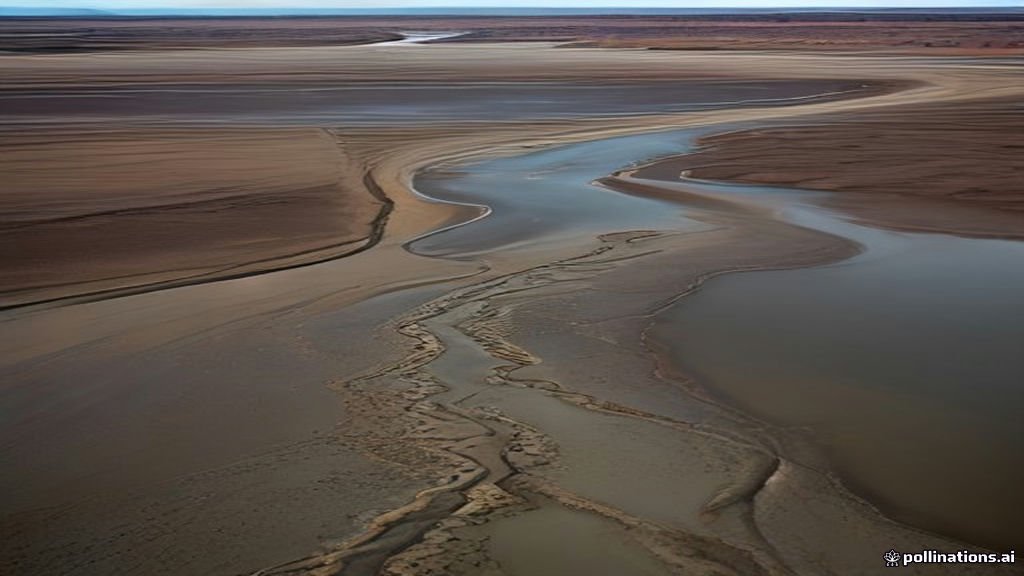
Hardest hit was the northern New Mexico city of Farmington, where floodwaters surged down the San Juan River following heavy rainfall in Colorado’s San Juan mountains. Downstream of the Navajo Reservoir—which managed to contain much of the mountain runoff—normally dry tributaries like Gobernador Canyon and Cañon Largo overflowed, sending massive torrents directly into the city. National Weather Service gauges indicated the river expanded 13 times its size over a 36-hour period late last week.
Rescues and Widespread Infrastructure Damage
In San Juan County, New Mexico, emergency operations pulled between 200 and 300 residents from dangerous waters. Emergency personnel used helicopters, National Guard high-clearance vehicles, and amphibious craft to rescue people trapped on rooftops and inside vehicles caught in running washes. Similar scenes played out along the Rio Grande in South Fork, Colorado, where neighborhood streets sat under two to three feet of water.
Longtime residents described an unusually rapid rise in water levels. “My sister was notified on Thursday that she had to get out,” said Connie Gooch, who has lived in Farmington for over 65 years. “Every year she goes through this. The river starts rising, and she starts making sandbags to put around. But this year it was so fast she didn’t have time to do that.”
Communities along the river’s path—including Pagosa Springs, Colorado; Bloomfield, New Mexico; Bluff, Utah; and tribal lands across the Navajo Nation and Hopi reservation—are now taking stock of severe infrastructure damage. Issues range from damaged bridges and compromised well water along the San Luis Valley to sewage spills from flooded treatment facilities in Sedona, Arizona.
Contaminated Waters and Escalating Recovery Costs
As swift water rescues wind down, public health risks are taking center stage. At a public briefing on Sunday, San Juan County Fire Chief David Vega warned residents returning home to stay clear of floodwaters containing dangerous contaminants. “The water isn’t healthy,” Vega cautioned. “Stay out of the water. Gas, diesel, pesticides, fertilizer, these aren’t things that you want on your clothes.”
Visiting San Juan County on Monday, New Mexico Governor Michelle Lujan Grisham addressed initial recovery figures presented by San Juan County Manager Mike Stark. “I hope we’re only spending 30 to 40 million (dollars),” Lujan Grisham noted. “We think this could be closer to between 200 and 300 million (dollars). The environmental issues and the road issues and infrastructure issues alone, really are expensive.”
By Monday night, federal authorities partially approved New Mexico’s emergency declaration request. To accelerate local relief, Governor Lujan Grisham signed executive orders authorizing $8.25 million in additional state emergency funding.