
Fresh Off Midterm Wins, Democrats Face Internal Battle Over Medicare for All
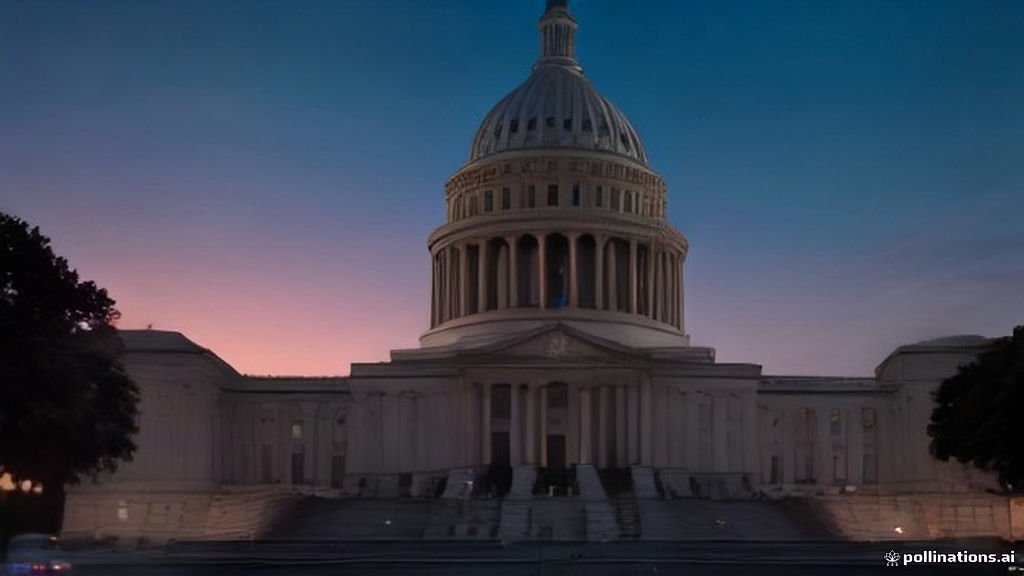
A wave of midterm election victories has pushed government-funded healthcare back to the top of Capitol Hill’s agenda, setting up a familiar ideological clash within the Democratic Party. Newly elected Democratic U.S. Senators from Michigan, Maine, Iowa, and Texas won campaign pledges to tackle soaring healthcare costs, backed by incoming progressives like Michigan Democratic U.S. Senate candidate Abdul El-Sayed. On election night, November 4, 2026, El-Sayed celebrated victory after campaigning on the slogan, “Money out of politics, money in your pocket, Medicare for all.”
Now, with new Democratic majorities heading to both the House and Senate, lawmakers are under pressure from voters to deliver on affordability. Yet translating campaign promises into legislation presents an immediate dilemma: party leaders must decide whether to focus on reversing Trump administration spending cuts to Medicaid and Affordable Care Act health plans, or pursue broader structural expansions.
A Party Divided by History and Policy Details
Internal party friction over healthcare policy isn’t new. The Clinton-era reform effort in 1993 fractured over divisions between progressives demanding a full overhaul and moderates advocating for incremental changes like a public option. Years later, internal disputes nearly derailed the Affordable Care Act before it squeaked into law in 2010. Policy experts caution that public understanding of government-funded coverage remains vague. “It’s cosplay,” said Nicholas Bagley, a law professor at the University of Michigan who has written about health policy for years. “When you say ‘Medicare for All,’ people think ‘Healthcare — good. We should have more of it.'”
Pollsters note that public support shifts dramatically depending on how the proposal is described. Polling data shows that framing the policy around eliminating insurance premiums and guaranteeing care can push approval up to three-quarters of respondents. However, mentioning potential tax increases or changes to the current Medicare program causes support to plummet into the 20s.
Strategic Choices for Democratic Leadership
Democratic leaders are already dropping signals that they are responsive to the party’s progressive wing. Just one day before his official nomination as the next speaker of the House, Rep. Hakeem Jeffries of New York voiced support for expanding government-funded coverage. Specifically, Jeffries proposed lowering the Medicare eligibility age and expanding coverage to include all children. Despite progressive enthusiasm, congressional leaders face tight political math. Larger majorities bring greater ideological diversity, bringing moderate Democrats from swing districts into direct tension with progressives pushing single-payer models. Plus, Democrats must navigate key historical differences compared to past legislative battles in 1993 and 2009, when public satisfaction with private coverage helped fuel opposition campaigns like the health insurance industry’s famous “Harry and Louise” advertisements. Yet even if congressional majorities unite around legislation to expand coverage or reverse GOP cuts, any final bill faces an almost certain veto from President Donald Trump, leaving Democrats without a veto-proof majority.