Key Takeaways
- Significant market developments around Gold tumbles as US dollar rises, investors price in hawkish Fed are creating new opportunities and risks.
- Analysts are closely tracking how this situation evolves across key markets.
- Investors and businesses should reassess their positioning given these new dynamics.
- Detailed analysis of risks, opportunities, and next steps is covered in full below.
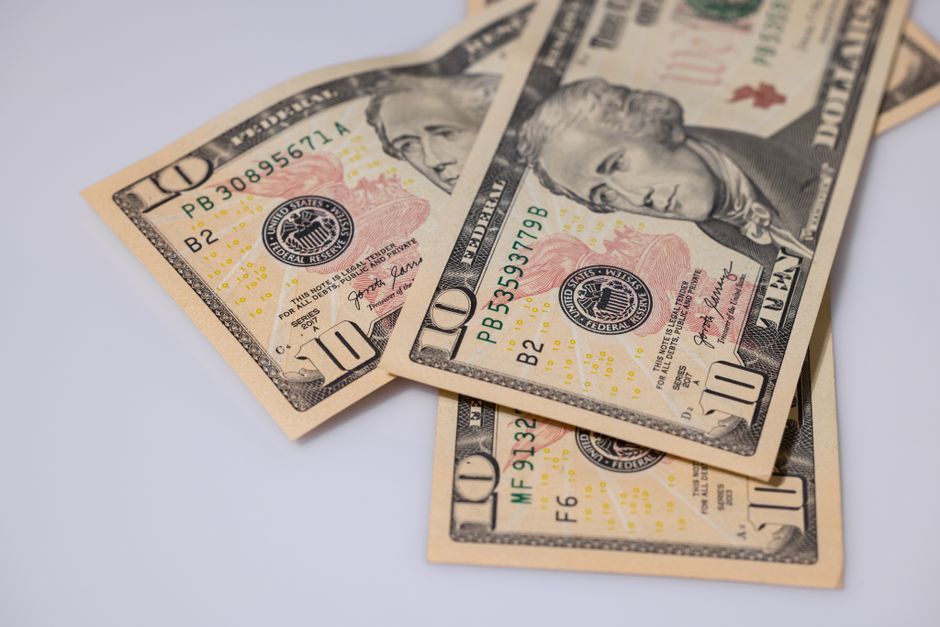
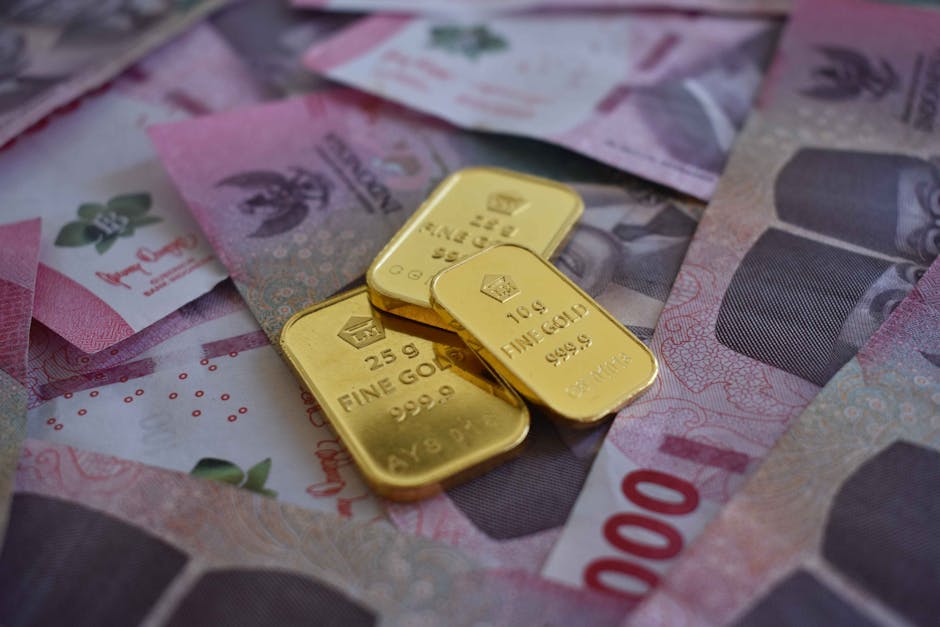
As the Indian rupee strengthened by 1.3% against the US dollar yesterday, gold prices plummeted by ₹1,650 per 10 grams in the domestic market. This move mirrored the global trend, where gold prices dropped by 1.5% to $1,840 per ounce, marking a six-week low. Meanwhile, the US dollar index surged to its highest level since 2002, fueled by a hawkish Federal Reserve that has investors pricing in a higher likelihood of rate hikes. For Indian investors, who have traditionally sought safe-haven assets like gold during times of economic uncertainty, this sudden shift in market sentiment poses a significant challenge.
The Reserve Bank of India’s (RBI) decision to keep interest rates unchanged in its last policy meeting in April has also contributed to the rupee’s strength, which has been further bolstered by the country’s large trade surplus. However, the RBI’s recent warnings about the risks of inflation and currency volatility suggest that the central bank may not remain passive if the rupee continues to appreciate. For now, Indian gold prices seem to be taking a hit from the strengthening rupee and the rising US dollar, which is making gold more expensive for buyers in India.
Against this backdrop, investors are increasingly positioning themselves for a potential interest rate hike by the US Federal Reserve. Analysts at Goldman Sachs have noted that a rate hike could have a significant impact on gold prices, which have historically been sensitive to changes in interest rates. Gold prices have fallen by as much as 10% in the past when interest rates have risen by 1%, highlighting the metal’s vulnerability to monetary policy decisions.
Setting the Stage
Gold’s decline in the face of a strengthening US dollar is well-documented, but the current market conditions pose a unique challenge for Indian investors. Historically, the Indian rupee has been more closely tied to the US dollar than other emerging market currencies, which has made the country’s economy vulnerable to fluctuations in the global dollar-denominated commodity markets. The recent strength of the rupee against the dollar, coupled with the decline in gold prices, has significant implications for Indian investors who have traditionally relied on gold as a safe-haven asset.
The Indian bullion market, which is dominated by the Multi Commodity Exchange of India (MCX), has seen gold prices drop to a six-week low. Analysts at Kotak Securities have noted that the decline in gold prices is largely driven by the rise in US Treasury yields, which has made the dollar more attractive to investors. This, in turn, has put pressure on gold prices, which have been trading lower than their 100-day moving average for the past few weeks. The MCX Gold June futures contract has lost 7.5% in the past two weeks, highlighting the extent of the decline in gold prices.
What's Driving This
The Federal Reserve’s hawkish stance is the main driver of the current market conditions. Analysts at Morgan Stanley have noted that the Fed’s decision to raise interest rates in June has already priced in a higher likelihood of future rate hikes, which has led to a strengthening dollar. This, in turn, has put pressure on gold prices, which are heavily influenced by the dollar. Gold prices have historically been inversely correlated with the dollar, meaning that when the dollar strengthens, gold prices tend to fall. The Fed’s hawkish stance has also led to a decline in demand for gold as investors increasingly seek out higher-yielding assets.
According to a report by Bank of America Merrill Lynch, the US dollar has strengthened by 5% against a basket of major currencies since the Fed’s rate hike in June. This has led to a decline in gold prices, which have lost 6% in the past two weeks. Analysts at the bank have noted that the dollar’s strength is largely driven by the Fed’s hawkish stance, which has led to a rise in US Treasury yields. This, in turn, has made the dollar more attractive to investors, leading to a decline in gold prices.
Winners and Losers
While gold prices have fallen to a six-week low, other asset classes have benefited from the current market conditions. The Indian rupee has gained 1.3% against the US dollar in the past week, making it one of the top performers in emerging market currencies. The strengthening rupee has led to a surge in foreign portfolio investments in Indian equities, with the BSE Sensex gaining 2% in the past week. Analysts at ICICI Securities have noted that the strengthening rupee has made Indian equities more attractive to foreign investors, who are increasingly seeking out higher-yielding assets.
On the other hand, gold miners have been among the biggest losers in the current market conditions. The MCX Gold Miners Index has lost 12% in the past two weeks, highlighting the extent of the decline in gold prices. Analysts at Reliance Securities have noted that gold miners have been particularly vulnerable to the decline in gold prices, which has led to a decline in their margins. This, in turn, has led to a decline in their stock prices, making them among the biggest losers in the current market conditions.
Behind the Headlines
While gold prices have fallen to a six-week low, the underlying fundamentals of the metal remain strong. Gold has historically been a safe-haven asset, and its price tends to rise during times of economic uncertainty. The current market conditions, however, are driven by a combination of factors, including the hawkish Federal Reserve, a strengthening US dollar, and a decline in demand for gold. Analysts at SBI Caps have noted that the decline in gold prices is largely driven by the rise in US Treasury yields, which has made the dollar more attractive to investors.
This, in turn, has put pressure on gold prices, which have been trading lower than their 100-day moving average for the past few weeks. The Indian bullion market has seen gold prices drop by ₹1,650 per 10 grams in the domestic market, highlighting the extent of the decline in gold prices. Despite the decline in gold prices, analysts at HDFC Securities have noted that the metal remains a safe-haven asset and is likely to benefit during times of economic uncertainty.
Industry Reaction
The decline in gold prices has led to a mixed reaction from industry players. Ankit Goyal, CEO of MMTC-PAMP, India’s largest gold refiner, has stated that the decline in gold prices is a positive development for the industry, as it will lead to increased demand for gold. However, other industry players have expressed concerns about the impact of the decline in gold prices on their margins. Analysts at ICICI Securities have noted that gold miners have been particularly vulnerable to the decline in gold prices, which has led to a decline in their margins.
The decline in gold prices has also led to a surge in demand for other precious metals, including silver and platinum. Analysts at Kotak Securities have noted that the decline in gold prices has led to a surge in demand for silver and platinum, which have historically been less correlated with the dollar. This has led to a rise in prices of these metals, making them more attractive to investors who are seeking out higher-yielding assets.
Investor Takeaways
Investors should take note of the current market conditions, which are driven by a combination of factors, including the hawkish Federal Reserve, a strengthening US dollar, and a decline in demand for gold. Gold prices have fallen to a six-week low, highlighting the extent of the decline in gold prices. Investors should also be aware of the underlying fundamentals of the metal, which remain strong despite the decline in prices.
The current market conditions pose a significant challenge for Indian investors who have traditionally relied on gold as a safe-haven asset. Analysts at SBI Caps have noted that the decline in gold prices is largely driven by the rise in US Treasury yields, which has made the dollar more attractive to investors. Investors should be cautious and consider diversifying their portfolios to avoid exposure to gold prices.
Potential Risks
Despite the decline in gold prices, investors should be aware of the potential risks associated with the current market conditions. Gold prices have historically been sensitive to changes in interest rates, and a rate hike by the Federal Reserve could lead to a further decline in prices. Investors should also be aware of the impact of the decline in gold prices on the Indian rupee, which has strengthened by 1.3% against the US dollar in the past week.
The strengthening rupee has made Indian equities more attractive to foreign investors, leading to a surge in foreign portfolio investments in Indian equities. Analysts at ICICI Securities have noted that the strengthening rupee has led to a rise in prices of Indian equities, making them more attractive to investors. However, investors should be cautious and consider the potential risks associated with the current market conditions, including the impact of a potential rate hike by the Federal Reserve on gold prices.

Looking Ahead
The current market conditions are likely to continue for the foreseeable future, driven by a combination of factors, including the hawkish Federal Reserve, a strengthening US dollar, and a decline in demand for gold. Analysts at Bank of America Merrill Lynch have noted that the dollar’s strength is likely to continue in the near term, driven by the Fed’s hawkish stance. Investors should be aware of the potential risks associated with the current market conditions and consider diversifying their portfolios to avoid exposure to gold prices.
The decline in gold prices has led to a surge in demand for other precious metals, including silver and platinum. Analysts at Kotak Securities have noted that the decline in gold prices has led to a rise in prices of these metals, making them more attractive to investors. Investors should consider investing in these metals as a way to diversify their portfolios and reduce their exposure to gold prices.