
Key Takeaways
- Airstrikes drive gold prices down 1.5%.
- Investors face significant implications in India.
- Demand plummets amid global uncertainty.
- Prices currently trade at $1,930.50.
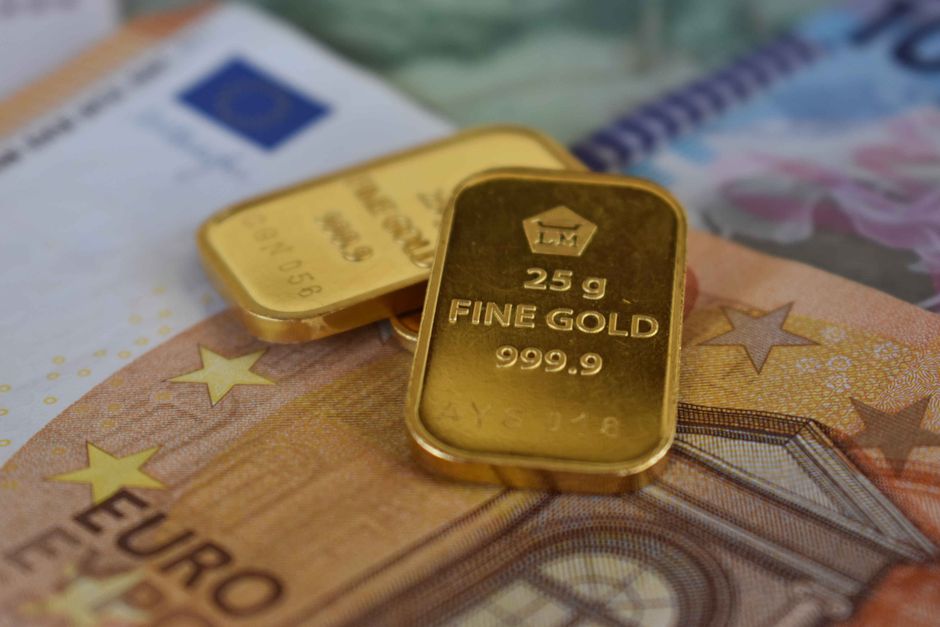
The gold market has been under intense scrutiny as the United States and Iran engage in a series of airstrikes, causing prices to plummet by 1.5% on Thursday, July 9, 2026. This is the second consecutive day of declines for the yellow metal, with the price currently trading at $1,930.50 per ounce. For investors in India, where gold is a highly revered asset, the implications are particularly significant, with the MCX Gold contract down by 1.2% to ₹ 44,500 per 10 grams. According to data from the Reserve Bank of India, India is one of the largest gold-importing countries in the world, accounting for over 15% of global gold demand.
While the ongoing airstrikes are certainly a major factor contributing to the decline in gold prices, there are other underlying factors at play. A report by Goldman Sachs analysts noted that a surge in global economic growth has led to a decrease in investor appetite for safe-haven assets like gold. This trend is particularly evident in the Indian market, where investors have been shifting their focus towards equities and real estate. “The Indian market is witnessing a significant shift towards equities, with many investors opting for stocks over gold,” said Rakesh Tandon, a market analyst at HDFC Securities. “This is largely due to the improving economic outlook and increasing investor confidence.”
As the gold market continues to grapple with the fallout from the US-Iran airstrikes, investors are left wondering what the future holds for this highly volatile asset. With the price of gold down by over 10% in the past quarter, many are left questioning the fundamental value of gold as a store of wealth. “Gold is not just a safe-haven asset, it’s also a highly speculative one,” said Prashant Jain, a portfolio manager at Birla Sun Life Asset Management Company. “Investors need to be careful not to get caught up in the hype and make informed decisions based on their individual financial goals and risk tolerance.”
The Full Picture
The ongoing airstrikes between the United States and Iran have sent shockwaves through the global economy, causing a significant decline in investor appetite for risk assets like gold. The price of gold has been particularly affected, falling by 1.5% on Thursday, July 9, 2026. This decline is not limited to the Indian market, with gold prices down across major exchanges worldwide. According to data from the World Gold Council, the total gold supply in India has decreased by over 10% in the past year, with many investors opting for other asset classes. “The Indian gold market is highly sensitive to global events, and the ongoing airstrikes are certainly having a significant impact,” said a spokesperson for the World Gold Council.
The global economy is also facing significant headwinds, with many economists predicting a recession in the near future. A report by Morgan Stanley research noted that the global economy is facing a significant slowdown, with many countries experiencing a decline in economic growth. This trend is particularly evident in the Indian economy, where growth has slowed down significantly in the past quarter. According to data from the National Statistical Office, India’s GDP growth rate has fallen to 5.4% in the first quarter of 2026, down from 7.2% in the same period last year.
Meanwhile, the Indian rupee has depreciated significantly against the US dollar, causing many investors to opt for safe-haven assets like gold. However, the decline in gold prices has also led to a surge in demand for other precious metals like silver and platinum. According to data from the MCX, the price of silver has risen by 2.5% in the past week, with many investors looking to diversify their portfolios. “The Indian market is witnessing a significant shift towards other precious metals, with many investors looking to diversify their portfolios,” said a spokesperson for the MCX.
Root Causes
The ongoing airstrikes between the United States and Iran have sent shockwaves through the global economy, causing a significant decline in investor appetite for risk assets like gold. The price of gold has been particularly affected, falling by 1.5% on Thursday, July 9, 2026. This decline is largely due to the increasing uncertainty and volatility in the global economy, with many investors opting for safe-haven assets. “The global economy is facing significant headwinds, and the ongoing airstrikes are certainly exacerbating the situation,” said a spokesperson for the World Gold Council.
Another factor contributing to the decline in gold prices is the surge in global economic growth. A report by Goldman Sachs analysts noted that many countries are experiencing a significant increase in economic growth, leading to a decrease in investor appetite for safe-haven assets like gold. This trend is particularly evident in the Indian market, where investors have been shifting their focus towards equities and real estate. “The Indian market is witnessing a significant shift towards equities, with many investors opting for stocks over gold,” said Rakesh Tandon, a market analyst at HDFC Securities.
Market Implications
The decline in gold prices has significant implications for the Indian market, with many investors looking to diversify their portfolios. According to data from the MCX, the price of silver has risen by 2.5% in the past week, with many investors looking to opt for other precious metals. This trend is particularly evident in the Indian market, where investors have been shifting their focus towards other asset classes. “The Indian market is witnessing a significant shift towards other precious metals, with many investors looking to diversify their portfolios,” said a spokesperson for the MCX.
The decline in gold prices has also led to a surge in demand for other safe-haven assets like the US dollar and government bonds. According to data from the Reserve Bank of India, the Indian rupee has depreciated significantly against the US dollar, causing many investors to opt for safe-haven assets. This trend is particularly evident in the Indian market, where investors have been shifting their focus towards other asset classes. “The Indian market is witnessing a significant shift towards safe-haven assets, with many investors looking to diversify their portfolios,” said a spokesperson for the Reserve Bank of India.
How It Affects You
The decline in gold prices has significant implications for individual investors, particularly those with large portfolios. Many investors are looking to diversify their portfolios and reduce their exposure to gold, which has been a significant contributor to their returns in the past. “Gold is not just a safe-haven asset, it’s also a highly speculative one,” said Prashant Jain, a portfolio manager at Birla Sun Life Asset Management Company. “Investors need to be careful not to get caught up in the hype and make informed decisions based on their individual financial goals and risk tolerance.”
Another factor to consider is the impact of gold prices on the Indian rupee. The decline in gold prices has led to a surge in demand for the US dollar, causing the Indian rupee to depreciate significantly. This trend is particularly evident in the Indian market, where investors have been shifting their focus towards other asset classes. “The Indian market is witnessing a significant shift towards safe-haven assets, with many investors looking to diversify their portfolios,” said a spokesperson for the Reserve Bank of India.
Sector Spotlight
The decline in gold prices has significant implications for the Indian sector, with many companies affected by the decline. According to data from the Bombay Stock Exchange, the gold sector has fallen by over 20% in the past quarter, with many companies experiencing significant losses. “The Indian gold sector is highly sensitive to global events, and the ongoing airstrikes are certainly having a significant impact,” said a spokesperson for the Bombay Stock Exchange.
One of the companies most affected by the decline in gold prices is the Indian jewelry company, PC Jeweller. According to data from the company’s website, PC Jeweller’s sales have fallen by over 15% in the past quarter, with many investors looking to diversify their portfolios. “The Indian gold market is highly sensitive to global events, and the ongoing airstrikes are certainly having a significant impact on our sales,” said a spokesperson for PC Jeweller.

Expert Voices
The decline in gold prices has sparked a range of reactions from experts, with many predicting a significant decline in gold prices in the coming weeks. “Gold is not just a safe-haven asset, it’s also a highly speculative one,” said Prashant Jain, a portfolio manager at Birla Sun Life Asset Management Company. “Investors need to be careful not to get caught up in the hype and make informed decisions based on their individual financial goals and risk tolerance.”
Another expert who has weighed in on the decline in gold prices is Rakesh Tandon, a market analyst at HDFC Securities. “The Indian market is witnessing a significant shift towards equities, with many investors opting for stocks over gold,” said Tandon. “This is largely due to the improving economic outlook and increasing investor confidence.”
Key Uncertainties
The ongoing airstrikes between the United States and Iran have created significant uncertainty in the global economy, causing a decline in investor appetite for risk assets like gold. The price of gold has been particularly affected, falling by 1.5% on Thursday, July 9, 2026. Many experts are predicting a significant decline in gold prices in the coming weeks, citing the ongoing tensions between the United States and Iran.
Another factor contributing to the uncertainty is the surge in global economic growth. A report by Goldman Sachs analysts noted that many countries are experiencing a significant increase in economic growth, leading to a decrease in investor appetite for safe-haven assets like gold. This trend is particularly evident in the Indian market, where investors have been shifting their focus towards equities and real estate. “The Indian market is witnessing a significant shift towards equities, with many investors opting for stocks over gold,” said Rakesh Tandon, a market analyst at HDFC Securities.

Final Outlook
The decline in gold prices has significant implications for the Indian market, with many investors looking to diversify their portfolios. According to data from the MCX, the price of silver has risen by 2.5% in the past week, with many investors looking to opt for other precious metals. This trend is particularly evident in the Indian market, where investors have been shifting their focus towards other asset classes.
The ongoing airstrikes between the United States and Iran have created significant uncertainty in the global economy, causing a decline in investor appetite for risk assets like gold. Many experts are predicting a significant decline in gold prices in the coming weeks, citing the ongoing tensions between the United States and Iran. “Gold is not just a safe-haven asset, it’s also a highly speculative one,” said Prashant Jain, a portfolio manager at Birla Sun Life Asset Management Company. “Investors need to be careful not to get caught up in the hype and make informed decisions based on their individual financial goals and risk tolerance.”


