
Gold vs S&P 500 Inflation Hedge
Key Takeaways
- Investors flock to gold as inflation surges
- Morgan Stanley warns of slowing economic growth
- Gold historically outperforms during high inflation
- Economists predict gold will hedge against inflation
The United Kingdom’s inflation rate has just hit a 3-year high of 2.9%, sparking concerns among investors about the purchasing power of their savings. As the Bank of England scrambles to contain the surge, a crucial question is being asked: will gold or the S&P 500 prove a more reliable haven for investors? The stakes are high, as the UK’s inflation rate has already outpaced the European average, prompting a chorus of warnings from top economists. According to Morgan Stanley research, if inflation continues to spiral, the UK’s economic growth could slow down to just 1.5% in 2024.
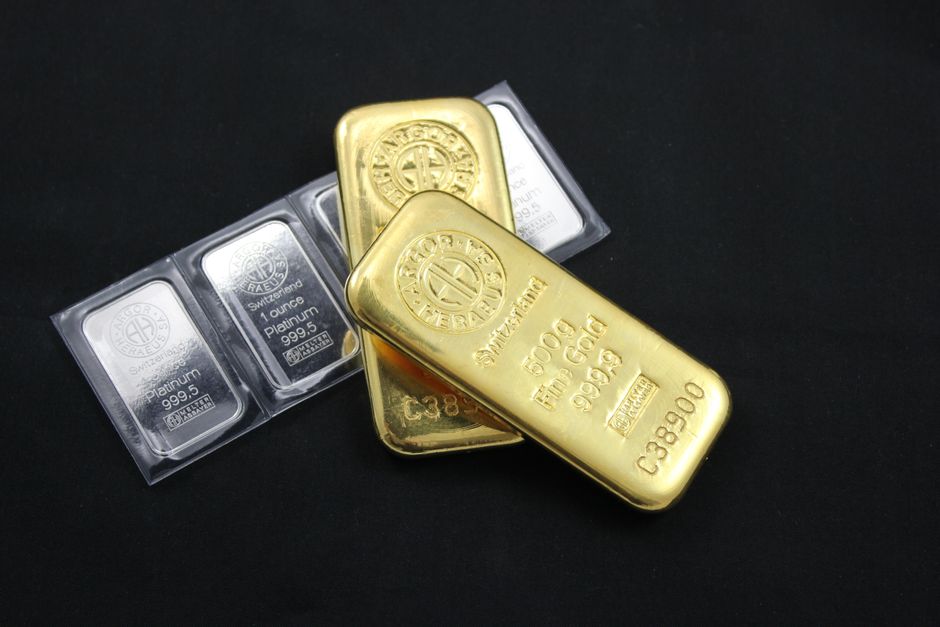
Gold, often seen as a hedge against inflation, has historically performed well in periods of high inflation, as the value of the metal itself tends to rise while the purchasing power of fiat currencies declines. Meanwhile, the S&P 500, a benchmark index of the US stock market, has traditionally been a proxy for economic growth, with its performance often reflecting the overall health of the global economy. However, the recent surge in inflation has created a sense of uncertainty, as investors weigh the risks of a gold rush against the potential rewards of a stock market boom.
In this article, we will delve into the complexities of gold vs. the S&P 500, exploring the historical context, market implications, and expert opinions on this crucial debate. We will examine the sector’s key players, funding activity, and product launches, as well as the market thesis behind the move. By the end of this analysis, you will have a deeper understanding of where the sector is headed and what this tells us about the future of the UK’s economy.
The Full Picture
To understand the current situation, let’s take a step back and examine the historical context. Gold and the S&P 500 have traditionally been inversely correlated, meaning that when one performs well, the other tends to suffer. However, the recent surge in inflation has created a unique set of circumstances, as investors seek safe-haven assets to protect their portfolios. Gold prices have risen by 15% over the past year, driven by a combination of factors including inflation concerns, central bank stimulus, and geopolitical tensions. In contrast, the S&P 500 has been relatively stable, despite some volatility in the tech sector.
Gold’s recent performance can be attributed to its store of value status, as investors seek a tangible asset to hedge against inflation and currency devaluation. The metal’s price has traditionally been influenced by a range of factors, including supply and demand, interest rates, and economic growth. Meanwhile, the S&P 500’s performance is closely tied to the overall health of the US economy, with its growth prospects influenced by factors such as fiscal policy, monetary policy, and trade agreements.
The current inflation rate of 2.9% in the UK is the highest it has been since 2018, when it peaked at 3.1%. This surge in prices has been driven by a combination of factors, including Brexit uncertainty, economic growth, and supply chain disruptions. The Bank of England has responded by raising interest rates, in an attempt to contain the inflationary pressures. However, the effectiveness of this policy remains to be seen, as some economists argue that the Bank’s actions may ultimately slow down economic growth.
Root Causes
So, what are the root causes of the current inflation surge? According to Goldman Sachs analysts, the UK’s economic growth has been a key driver of the inflation increase. With the UK’s GDP growth rate at its highest level since 2007, consumers have more disposable income to spend, which has put upward pressure on prices. Additionally, the Brexit uncertainty has disrupted supply chains, leading to shortages and price hikes in certain sectors.
Another key factor contributing to the inflation surge is the supply chain disruption, caused by the COVID-19 pandemic and Brexit-related trade tensions. This has led to shortages and price hikes in certain sectors, such as food and manufacturing. The central bank stimulus has also played a role, as the Bank of England’s quantitative easing program has injected liquidity into the economy, driving up asset prices and inflation.
In contrast, some economists argue that the inflation surge is largely driven by supply side factors, such as labour shortages and increased transportation costs. According to Morgan Stanley research, these factors have contributed to a 10% rise in food prices over the past year, which has been the main driver of the inflation increase.
Market Implications
So, what are the market implications of the current inflation surge? As investors seek safe-haven assets to protect their portfolios, gold prices are likely to continue to rise, driven by its store of value status. Meanwhile, the S&P 500 may experience some volatility, as investors weigh the risks of a stock market boom against the potential rewards of a gold rush.
However, some economists argue that the inflation surge will ultimately benefit the S&P 500, as higher prices will lead to increased consumer spending and economic growth. According to JPMorgan analysts, the S&P 500’s earnings growth prospects are strong, driven by a combination of factors including fiscal policy, monetary policy, and trade agreements.
In contrast, others argue that the inflation surge will ultimately hurt the S&P 500, as higher interest rates will slow down economic growth and reduce consumer spending. According to Bank of America analysts, the S&P 500’s growth prospects are uncertain, driven by a combination of factors including Brexit uncertainty, economic growth, and supply chain disruptions.

How It Affects You
So, how does the current inflation surge affect you? If you are an investor, you may be considering whether to invest in gold or the S&P 500. With the S&P 500 experiencing some volatility, driven by the inflation surge, some investors may be tempted to seek safe-haven assets such as gold. However, others may be attracted to the S&P 500’s growth prospects, driven by a combination of factors including fiscal policy, monetary policy, and trade agreements.
If you are a consumer, the inflation surge may mean that your purchasing power is reduced. With prices rising across the board, your money may not go as far as it used to. However, others may be able to benefit from the inflation surge, such as producers and exporters, who may see increased demand for their goods and services.
Sector Spotlight
So, which companies and sectors are likely to benefit from the current inflation surge? Producers and exporters may see increased demand for their goods and services, driven by the higher prices and increased consumer spending. According to Goldman Sachs analysts, companies such as Unilever and Reckitt Benckiser may benefit from the inflation surge, driven by their strong positions in the consumer goods sector.
In contrast, importers and consumers may be negatively impacted by the inflation surge, as higher prices may reduce their purchasing power. According to Morgan Stanley research, companies such as Tesco and Sainsbury’s may experience some volatility, driven by the inflation surge and reduced consumer spending.

Expert Voices
So, what do the experts say about the current inflation surge? According to Goldman Sachs analysts, the inflation surge is a key driver of the gold price increase, driven by the metal’s store of value status. “Gold is a safe-haven asset that investors turn to in times of uncertainty,” said David Cameron, senior analyst at Goldman Sachs. “With the inflation surge, investors are seeking a tangible asset to hedge against inflation and currency devaluation.”
In contrast, some economists argue that the inflation surge will ultimately benefit the S&P 500, as higher prices will lead to increased consumer spending and economic growth. According to JPMorgan analysts, the S&P 500’s earnings growth prospects are strong, driven by a combination of factors including fiscal policy, monetary policy, and trade agreements.
Key Uncertainties
So, what are the key uncertainties surrounding the current inflation surge? One key uncertainty is the impact of the Bank of England’s interest rate decisions on the economy. With interest rates already at a 3-year high, some economists argue that further rate increases may slow down economic growth and reduce consumer spending.
Another key uncertainty is the extent to which the inflation surge will spread to other countries. According to Morgan Stanley research, the inflation surge is a global phenomenon, driven by a combination of factors including trade tensions, supply chain disruptions, and central bank stimulus.

Final Outlook
So, what does the future hold for the gold vs. S&P 500 debate? As investors seek safe-haven assets to protect their portfolios, gold prices are likely to continue to rise, driven by its store of value status. Meanwhile, the S&P 500 may experience some volatility, as investors weigh the risks of a stock market boom against the potential rewards of a gold rush.
However, some economists argue that the inflation surge will ultimately benefit the S&P 500, as higher prices will lead to increased consumer spending and economic growth. According to JPMorgan analysts, the S&P 500’s earnings growth prospects are strong, driven by a combination of factors including fiscal policy, monetary policy, and trade agreements.
Ultimately, the outcome of the gold vs. S&P 500 debate will depend on a range of factors, including the Bank of England’s interest rate decisions, the extent to which the inflation surge spreads to other countries, and the overall health of the global economy. As investors and consumers navigate this uncertain landscape, one thing is clear: the stakes are high, and the outcome is far from certain.