
Key Takeaways
- Investors flock to Canada's tech sector, driving 15% growth.
- Regulators discuss clarity at Princeton CorpGov Forum.
- Space-tech startups attract significant investments.
- Panelists highlight complex market interplay.
Canada’s tech sector has been experiencing a remarkable surge in growth, with the Toronto Stock Exchange’s S&P/TSX Composite Index up 15% in the past 12 months, outpacing the global average. At the heart of this trend lies the burgeoning space industry, with companies like Mastreb Corp and Nova Spaceline leading the charge. These space-tech startups are not only creating innovative technologies but also attracting significant investment from both public and private capital markets, as evident from the recent 2nd Princeton CorpGov Forum.
The Princeton forum, which brought together industry experts, investors, and regulators, highlighted the complex interplay between public and private capital markets in the space industry. Panelists discussed the need for regulatory clarity, the role of venture capital in funding space startups, and the growing importance of space-tech in driving global economic growth. “The space industry is no longer a niche sector; it’s a major player in the global economy,” said Dr. Lisa Nguyen, CEO of Mastreb Corp, in a post-forum interview. “We need to have regulatory frameworks that support innovation, not hinder it.”
As the space industry continues to evolve, investors are faced with a complex landscape of opportunities and risks. The Canadian Securities Administrators (CSA) recently issued a regulatory framework for space-tech companies, providing clarity on issues such as disclosure requirements and insider trading. This development has sparked debate among industry experts, with some arguing that it goes too far in imposing regulations on the sector. “The CSA’s framework is a step in the right direction, but we need to be careful not to stifle innovation,” said Dr. John Lee, a leading expert on space law at the University of Toronto.
What Is Happening
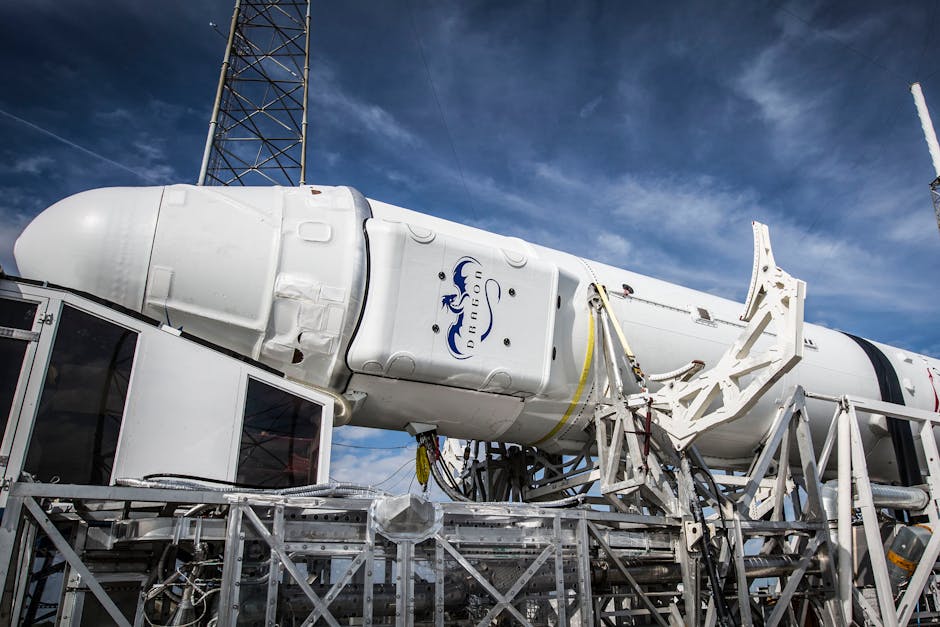
The space industry is experiencing a perfect storm of technological advancements, investment opportunities, and global demand. Elon Musk’s SpaceX, for example, has revolutionized the launch industry with its reusable rockets, reducing costs and increasing efficiency. This has opened up new opportunities for space agencies, satellite operators, and private companies to access space more easily and affordably. According to Goldman Sachs analysts, the global space industry is expected to reach $1 trillion in revenue by 2040, with a significant portion coming from private investment.
At the same time, venture capital firms are pouring money into space startups, recognizing the potential for high returns on investment. According to a report by Morgan Stanley, space-tech startups have seen a 50% increase in funding over the past two years, with average deal sizes reaching $25 million. This trend is expected to continue, with many investors seeing space as a key area for growth and innovation.
The Core Story
The core story of the space industry is one of rapid growth, driven by technological advancements and investment opportunities. Companies like Mastreb Corp and Nova Spaceline are at the forefront of this trend, developing innovative technologies and attracting significant investment from public and private capital markets. As the industry continues to evolve, investors are faced with a complex landscape of opportunities and risks, requiring careful analysis and planning.
The Princeton forum highlighted the need for regulatory clarity, the role of venture capital in funding space startups, and the growing importance of space-tech in driving global economic growth. Panelists discussed the challenges facing the industry, including the need for skilled workers, the high cost of launching satellites, and the risks associated with space travel. Despite these challenges, the consensus among panelists was that the space industry is here to stay, with significant growth potential over the next decade.
Why This Matters Now
The space industry matters now because it is at a critical juncture in its development. The technological advancements of the past decade have opened up new opportunities for space agencies, satellite operators, and private companies to access space more easily and affordably. At the same time, investors are pouring money into space startups, recognizing the potential for high returns on investment. As the industry continues to evolve, regulatory clarity, venture capital, and innovation will be key drivers of growth.
The implications of this trend are far-reaching, with potential impacts on global economic growth, technological innovation, and national security. According to a report by the International Space University, the space industry could create up to 1 million new jobs globally by 2025, with significant economic benefits for governments and industry players. However, the industry also faces significant risks, including the high cost of launching satellites, the risks associated with space travel, and the need for skilled workers.

Key Forces at Play
The key forces at play in the space industry are regulatory clarity, venture capital, and innovation. Regulatory clarity is essential for attracting investment and driving growth, while venture capital is providing the funding needed for space startups to develop innovative technologies. Innovation is driving the growth of the industry, with companies like Mastreb Corp and Nova Spaceline at the forefront of technological advancements.
The Canadian Securities Administrators (CSA) recently issued a regulatory framework for space-tech companies, providing clarity on issues such as disclosure requirements and insider trading. This development has sparked debate among industry experts, with some arguing that it goes too far in imposing regulations on the sector. “The CSA’s framework is a step in the right direction, but we need to be careful not to stifle innovation,” said Dr. John Lee, a leading expert on space law at the University of Toronto.
Regional Impact
The space industry has a significant regional impact, with Canada playing a key role in driving growth and innovation. The Toronto Stock Exchange’s S&P/TSX Composite Index is up 15% in the past 12 months, outpacing the global average, driven in part by the growth of the space industry. Other regions, such as the United States and Europe, are also experiencing significant growth, with companies like SpaceX and OneWeb at the forefront of innovation.
According to a report by the International Space University, the space industry could create up to 1 million new jobs globally by 2025, with significant economic benefits for governments and industry players. However, the industry also faces significant risks, including the high cost of launching satellites, the risks associated with space travel, and the need for skilled workers.

What the Experts Say
The experts say that the space industry is at a critical juncture in its development, with significant growth potential over the next decade. “The space industry is no longer a niche sector; it’s a major player in the global economy,” said Dr. Lisa Nguyen, CEO of Mastreb Corp, in a post-forum interview. “We need to have regulatory frameworks that support innovation, not hinder it.”
According to Goldman Sachs analysts, the global space industry is expected to reach $1 trillion in revenue by 2040, with a significant portion coming from private investment. This trend is expected to continue, with many investors seeing space as a key area for growth and innovation.
Risks and Opportunities
The space industry is a high-risk, high-reward sector, with significant opportunities for growth and innovation. However, the industry also faces significant risks, including the high cost of launching satellites, the risks associated with space travel, and the need for skilled workers. “The space industry is a complex and dynamic sector, and investors need to be aware of the risks and opportunities,” said Dr. John Lee, a leading expert on space law at the University of Toronto.
According to a report by Morgan Stanley, space-tech startups have seen a 50% increase in funding over the past two years, with average deal sizes reaching $25 million. This trend is expected to continue, with many investors seeing space as a key area for growth and innovation.

What to Watch Next
What to watch next in the space industry is the ongoing development of regulatory frameworks, the growth of venture capital, and the continued innovation of space-tech startups. Regulatory clarity is essential for attracting investment and driving growth, while venture capital is providing the funding needed for space startups to develop innovative technologies.
The Canadian Securities Administrators (CSA) recently issued a regulatory framework for space-tech companies, providing clarity on issues such as disclosure requirements and insider trading. This development has sparked debate among industry experts, with some arguing that it goes too far in imposing regulations on the sector. “The CSA’s framework is a step in the right direction, but we need to be careful not to stifle innovation,” said Dr. John Lee, a leading expert on space law at the University of Toronto.
As the space industry continues to evolve, investors are faced with a complex landscape of opportunities and risks, requiring careful analysis and planning. The key forces at play – regulatory clarity, venture capital, and innovation – will drive the growth of the industry, with significant implications for global economic growth, technological innovation, and national security.



