
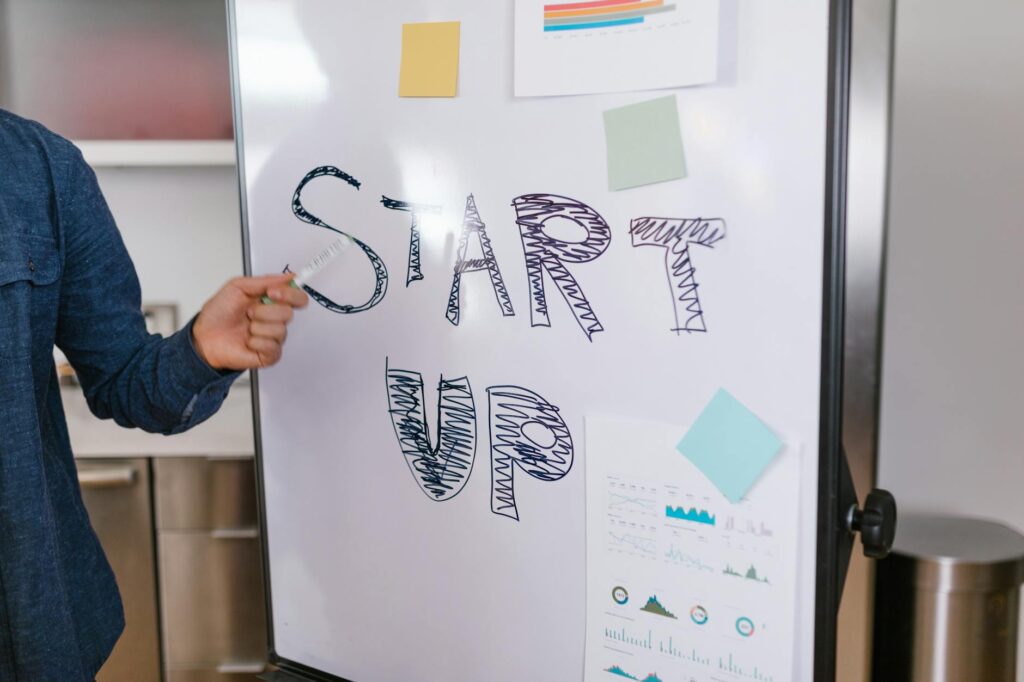
The Indian startup ecosystem is abuzz with the echoes of a bold market call made back in 2011, which has resurfaced in 2026 with surprising relevance. This call, which was initially met with skepticism, has now become a rallying cry for entrepreneurs and investors alike. As the country’s startup landscape continues to evolve at a breakneck pace, it’s fascinating to see how a prediction made over a decade ago has gained newfound significance. The reasons behind this phenomenon are complex and multifaceted, but one thing is clear: India’s startups are on the cusp of a revolution, and understanding the 2011 market call is crucial to navigating the opportunities and challenges that lie ahead.
What Is Happening
The 2011 market call in question pertained to the potential for Indian startups to disrupt traditional industries and create new markets. At the time, this seemed like a far-fetched idea, given the dominance of established players and the relatively nascent state of the startup ecosystem. However, the call was not just about the potential for disruption; it was also about the underlying factors that would drive this change. These factors included the growing availability of venture capital, the increasing adoption of technology, and the rising ambitions of Indian entrepreneurs. Fast forward to 2026, and it’s clear that these factors have indeed come together to create a perfect storm of innovation and disruption. Indian startups are now making waves in sectors such as fintech, healthtech, and edtech, and are attracting significant investments from both domestic and international investors.
Why It Matters
So, why does this 2011 market call matter in 2026? The answer lies in the fact that the Indian startup ecosystem has reached a critical juncture. With the government’s Startup India initiative and other supportive policies, the environment for entrepreneurship has never been more conducive. However, this also means that the competition has intensified, and startups need to be more innovative and resilient than ever to succeed. The 2011 market call serves as a reminder that disruption and innovation are not just buzzwords, but essential strategies for survival and growth. By understanding the underlying drivers of this call, startups can better navigate the complex landscape and make informed decisions about their business models, products, and services. Moreover, the call’s relevance in 2026 highlights the importance of long-term thinking and vision in the startup world. Entrepreneurs and investors who can see beyond the immediate horizon and anticipate future trends are more likely to create sustainable and scalable businesses.

Key Drivers
Several key drivers are behind the resurgence of the 2011 market call in 2026. One of the primary drivers is the rapid growth of the Indian economy, which has created a vast and increasingly affluent consumer market. This, in turn, has led to a surge in demand for innovative products and services, which startups are well-positioned to provide. Another driver is the increasing availability of venture capital, which has given startups the funding they need to scale and expand their operations. The Indian government’s initiatives to promote entrepreneurship and innovation, such as the Startup India program, have also played a significant role in driving growth and disruption. Furthermore, the rise of digital technologies such as artificial intelligence, blockchain, and the Internet of Things (IoT) has created new opportunities for startups to innovate and disrupt traditional industries.
Impact on India
The impact of the 2011 market call on India’s startup ecosystem has been profound. The call’s emphasis on disruption and innovation has encouraged entrepreneurs to think outside the box and create new markets, rather than just competing in existing ones. This, in turn, has led to the creation of new industries and job opportunities, which have contributed to the country’s economic growth. The call has also highlighted the importance of ecosystem development, with many stakeholders, including governments, investors, and corporates, working together to create a supportive environment for startups. Moreover, the call’s relevance in 2026 has underscored the need for continuous innovation and adaptation, as Indian startups navigate an increasingly complex and competitive landscape. As the country continues to grow and evolve, it’s likely that the 2011 market call will remain a guiding force for the startup ecosystem, inspiring entrepreneurs to push the boundaries of what is possible.

Expert Outlook
Experts believe that the 2011 market call will continue to shape the Indian startup ecosystem in the years to come. According to Rajan Anandan, Managing Director of Sequoia Capital India, “The 2011 market call was a clarion call for Indian entrepreneurs to think big and bold. It’s heartening to see that many of them have risen to the challenge, creating innovative and scalable businesses that are making a significant impact on the economy.” Sanjay Nath, Co-Founder of Blume Ventures, adds, “The call’s emphasis on disruption and innovation has created a culture of experimentation and risk-taking in the startup ecosystem. This, in turn, has led to the creation of new industries and job opportunities, which will continue to drive growth and prosperity in the years to come.” As the Indian startup ecosystem continues to evolve, it’s likely that experts will continue to draw on the insights and lessons of the 2011 market call, using them to inform their investment decisions and guide the next generation of entrepreneurs.
What to Watch
So, what should we be watching in the Indian startup ecosystem, given the resurgence of the 2011 market call? One key area to watch is the growing trend of startups expanding into new markets, both domestically and internationally. As Indian startups gain scale and maturity, they are increasingly looking to expand their operations beyond their home market, creating new opportunities for growth and collaboration. Another area to watch is the rise of deep tech startups, which are using cutting-edge technologies such as AI and blockchain to create innovative products and services. These startups have the potential to disrupt traditional industries and create new markets, and are likely to attract significant investments and attention in the years to come. Finally, it’s worth keeping an eye on the evolving regulatory landscape, as the Indian government continues to refine its policies and initiatives to support the growth of the startup ecosystem. As the 2011 market call continues to echo through the ecosystem, it’s likely that these trends will play a major role in shaping the future of Indian startups.
