
Inside Cape Town’s College of Magic, South Africa’s Illegal-Turned-Iconic Academy for Young Performers
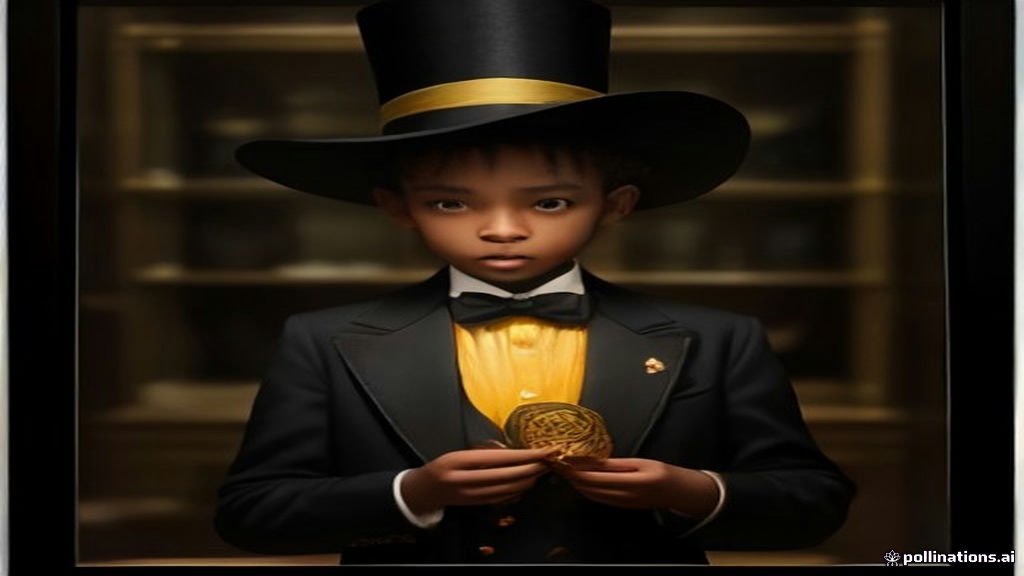
Dressed in a sharp black three-piece suit and a bright yellow bow tie, 11-year-old Lubelo Mthenjana takes a deep breath backstage. As his name is called, he steps into the spotlight, opens his arms wide, and smiles. Minutes later, he is performing a daring fire trick as part of the annual junior magic contest at the College of Magic in Cape Town, South Africa.
On any given Saturday morning, the suburban school comes alive with roughly 190 students aged 10 to 18. Dressed in crisp white shirts, ties, and top hats, young performers hurry up and down staircases lined with colorful posters. Display cases throughout the building brim with magic wands, sparkly hats, silk scarves, handcuffs, dice, Rubik’s Cubes, and trophies won in global competitions.
Founded in 1980 by David Gore, the institution holds a unique place as Africa’s only dedicated training ground for young stage magicians and illusionists. Every Saturday, youth gather to master a wide array of disciplines, including puppetry, mime, clowning, juggling, card tricks, mentalism, stage magic, theater production, and escapology—providing “All the skills that will make a good magician,” according to Gore.
Defying Apartheid to Build an Inclusive Stage
When Gore established the school during the apartheid era, South Africa enforced strict racial segregation across state education, public transport, and basic public infrastructure. By opening its doors to youth of all races from day one, the institution broke federal laws.
“When we started out, our organization was illegal,” Gore recalled. “This was an opportunity for young people from all backgrounds to come together around a common interest in magic, to learn about each other and understand each other.”
That mission continues today in a country where young people frequently remain divided along racial, linguistic, and economic lines. Some students arrive at the academy in high-end cars, while others spend an hour traveling by collective taxi. Once inside, every student works with the exact same equipment, shares the same stages, and receives the same food.
Gore notes that magic is an uniquely accessible art form for youth from marginalized areas, as it requires no expensive instruments. While many graduates don’t pursue careers as professional illusionists, the school emphasizes practical life skills and creative thinking.
A Safe Haven Amid Everyday Challenges
For students like 11-year-old Lubelo, who waited until he reached the minimum enrollment age of 10 after seeing a family friend perform, the school offers a vital alternative to the violent realities of daily life. South Africa faces intense violent crime, recording nearly 60 murders a day. From his home neighborhood of Makhaza, Lubelo frequently hears gunshots, and peers his age face constant pressure from local drug trade.
The stark realities hitting young South Africans hit close to home for the school community. Former student Duma Mgqoki, who was photographed practicing card tricks at the academy in 2021, was killed in a shooting in Cape Town’s Philippi neighborhood in 2026.
Despite such hardship, students find solace in their craft. Fellow student Themba Van der Westhuizen, 12, uses tricks to entertain family and friends, noting that performance has significantly built his self-confidence. The academy has also evolved its practices over time; while former student and current teacher Anele Dyasi was pictured working with birds in 2021, the school has since phased out animal performances altogether.
For Lubelo, the purpose of his training remains clear: to bring joy to others and relieve stress through performance art rather than fear.