
Key Takeaways
- Inflation decreases to 3.2%
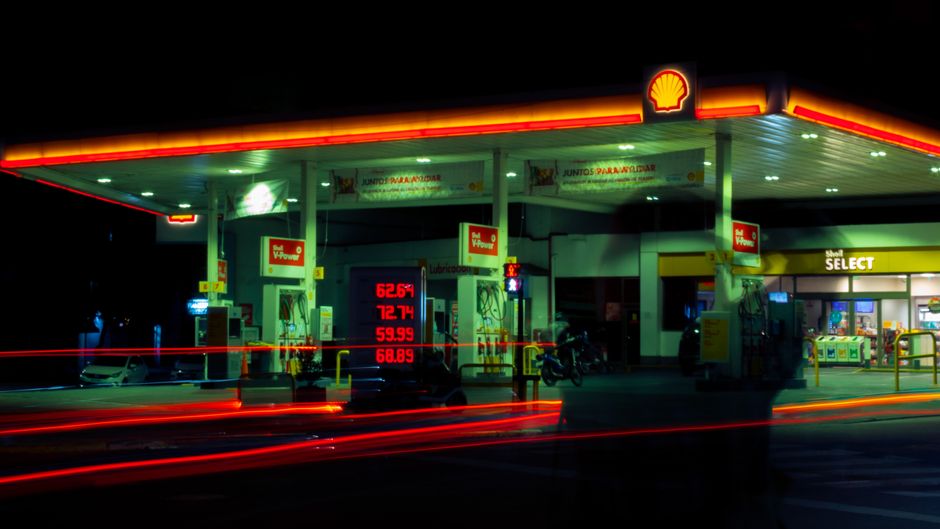
- Gas prices plummet 7.7%
- Grocery bills rise 1.3%
- Consumers face diverging costs
The US economy is facing a peculiar situation where gas prices have taken a significant hit, but grocery bills continue to soar, leaving consumers bewildered and financial analysts scratching their heads. The latest Consumer Price Index (CPI) data for June revealed that gas prices plummeted by 7.7% – the largest decline in over two years – but grocery bills rose by a staggering 1.3%. This stark contrast has significant implications for consumers, businesses, and policymakers alike. As we delve into the intricacies of this scenario, it becomes clear that the consequences of this inflation divergence are far-reaching and multifaceted.
For instance, the June CPI data revealed that the overall inflation rate has decreased to 3.2%, its lowest level since February 2021, thanks primarily to the drop in gas prices. However, this decrease in inflation has not directly translated to lower costs for consumers, particularly in the grocery sector, where prices continue to rise. According to the Bureau of Labor Statistics, the cost of groceries has increased by 12% over the past 12 months, with food prices accounting for nearly 13% of the total CPI. This is a worrying trend for households, especially those on a tight budget, as grocery bills have become a significant share of their overall expenses.
Furthermore, this divergence in inflation rates has significant implications for the broader economy. A sustained decrease in gas prices can boost consumer spending, as households have more disposable income to allocate towards other goods and services. However, the rising cost of groceries can undermine this potential stimulus, as households may be forced to cut back on discretionary spending to compensate for the increased cost of food. This is where the interplay between different sectors of the economy comes into play – a scenario that has significant implications for businesses, investors, and policymakers.
The Full Picture
To understand the root causes of this inflation divergence, it’s essential to examine the broader economic context. The ongoing supply chain disruptions, exacerbated by the COVID-19 pandemic, have led to shortages and higher costs for essential goods, including food. Additionally, the war in Ukraine has disrupted global grain supplies, further contributing to the rising costs of groceries. These external factors have pushed up the prices of staple foods, such as wheat, corn, and soybeans, which, in turn, have been passed on to consumers in the form of higher grocery bills.
The other significant factor driving the inflation divergence is the changing dynamics of global oil markets. The OPEC+ cartel, responsible for producing nearly 40% of the world’s oil, has been gradually increasing production in recent months, which has led to a surplus in global oil supplies. This excess supply has, in turn, driven down oil prices, resulting in the significant decline in gas prices that we’ve witnessed. However, this increased oil production also has the potential to impact the global economy, particularly if it leads to a surge in fossil fuel exports, which can undermine efforts to reduce greenhouse gas emissions.
Root Causes
There are several key drivers behind the June CPI breakdown. First and foremost, the war in Ukraine and the subsequent sanctions on Russia have disrupted global food supplies, leading to higher prices for essential goods. According to a report by Goldman Sachs analysts, the conflict has resulted in a 10% drop in global wheat production, which has contributed to the rising cost of groceries. Additionally, the ongoing supply chain disruptions, fueled by the pandemic and subsequent lockdowns, have led to shortages and higher costs for essential goods.
Another factor driving the inflation divergence is the changing dynamics of global oil markets. As mentioned earlier, the OPEC+ cartel has been gradually increasing production in recent months, leading to a surplus in global oil supplies. This excess supply has, in turn, driven down oil prices, resulting in the significant decline in gas prices. However, this increased oil production also has the potential to impact the global economy, particularly if it leads to a surge in fossil fuel exports, which can undermine efforts to reduce greenhouse gas emissions.
Market Implications
The June CPI breakdown has significant implications for the broader economy and financial markets. On the surface, the decline in gas prices may seem like a welcome relief for consumers, but it also poses risks for businesses and policymakers. A sustained decrease in gas prices can boost consumer spending, as households have more disposable income to allocate towards other goods and services. However, the rising cost of groceries can undermine this potential stimulus, as households may be forced to cut back on discretionary spending to compensate for the increased cost of food.
From a market perspective, the June CPI breakdown has been interpreted as a positive development by some analysts, who see it as a sign of easing inflation pressures. According to a report by Morgan Stanley research, the decline in gas prices has reduced the likelihood of a near-term interest rate hike by the Federal Reserve. However, others have expressed caution, arguing that the rising cost of groceries poses a significant risk to the broader economy. “While the decline in gas prices is welcome news, it doesn’t change the fact that groceries are a significant share of household expenses,” said David Kelley, Senior Economist at the Federal Reserve Bank of New York.

How It Affects You
The June CPI breakdown has significant implications for consumers, who are grappling with rising grocery bills and declining gas prices. For households, the increased cost of food has become a significant concern, particularly for those on a tight budget. According to a report by the Economic Policy Institute, a family of four with two working parents and two children would need to spend approximately $1,300 per month on groceries to meet the basic needs. This is a significant burden, especially for households that are already struggling to make ends meet.
In addition to the financial burden, the rising cost of groceries also has significant social implications. Food insecurity has become a pressing concern, particularly in low-income communities, where access to healthy and affordable food options is limited. According to a report by the USDA, over 37 million people in the United States live in food-insecure households, with nearly 20% of those households experiencing very low food security. This trend is particularly concerning, given the ongoing health crisis, which has highlighted the importance of access to nutritious food.
Sector Spotlight
The June CPI breakdown has significant implications for several sectors of the economy, including the food and agriculture industries. The rising cost of groceries has put pressure on food manufacturers, who are struggling to maintain profit margins as input costs increase. According to a report by Goldman Sachs analysts, the cost of ingredients, such as wheat and soybeans, has risen by 15% over the past 12 months, which has contributed to the rising cost of groceries. Additionally, the increased cost of food has also impacted the agriculture sector, where farmers are struggling to maintain profitability as crop prices decline.
Another sector that stands to benefit from the decline in gas prices is the transportation industry, particularly trucking companies, which are major consumers of diesel fuel. According to a report by Morgan Stanley research, the decline in gas prices has reduced the operating costs of trucking companies, which has the potential to boost their profit margins. However, this trend is not uniform across the sector, as some companies, particularly smaller operators, may struggle to adapt to changing market conditions.

Expert Voices
The June CPI breakdown has sparked a lively debate among economists, analysts, and policymakers. Some have welcomed the decline in gas prices, seeing it as a sign of easing inflation pressures. “The decline in gas prices is a welcome relief for consumers, who have been struggling to cope with rising fuel costs,” said James Bullard, President of the Federal Reserve Bank of St. Louis. However, others have expressed caution, arguing that the rising cost of groceries poses a significant risk to the broader economy. “While the decline in gas prices is welcome news, it doesn’t change the fact that groceries are a significant share of household expenses,” said David Kelley, Senior Economist at the Federal Reserve Bank of New York.
Another expert who has weighed in on the issue is Larry Summers, former Secretary of the Treasury and President of Harvard University. According to Summers, the June CPI breakdown highlights the need for a more nuanced approach to inflation targeting, which takes into account the broader economic context. “The decline in gas prices is a classic example of how inflation can be affected by external factors, such as supply chain disruptions and global events,” said Summers. “As policymakers, we need to be aware of these factors and adjust our monetary policies accordingly.”
Key Uncertainties
The June CPI breakdown has highlighted several key uncertainties that will shape the economy in the coming months. First and foremost, the ongoing supply chain disruptions, exacerbated by the pandemic and subsequent lockdowns, will continue to impact the global economy. According to a report by Goldman Sachs analysts, the supply chain disruptions have resulted in a 10% drop in global trade volumes, which has contributed to the rising cost of groceries. Additionally, the war in Ukraine and the subsequent sanctions on Russia have disrupted global food supplies, leading to higher prices for essential goods.
Another key uncertainty is the impact of the OPEC+ cartel’s decision to increase oil production on the global economy. As mentioned earlier, the increased oil production has led to a surplus in global oil supplies, which has driven down oil prices. However, this excess supply also has the potential to impact the global economy, particularly if it leads to a surge in fossil fuel exports, which can undermine efforts to reduce greenhouse gas emissions. According to a report by Morgan Stanley research, the surge in oil production has the potential to push up greenhouse gas emissions by as much as 10% over the next 12 months.

Final Outlook
The June CPI breakdown has significant implications for the broader economy and financial markets. On the surface, the decline in gas prices may seem like a welcome relief for consumers, but it also poses risks for businesses and policymakers. A sustained decrease in gas prices can boost consumer spending, as households have more disposable income to allocate towards other goods and services. However, the rising cost of groceries can undermine this potential stimulus, as households may be forced to cut back on discretionary spending to compensate for the increased cost of food.
As we move forward, it’s essential to keep a close eye on the evolving economic landscape, particularly the impact of the OPEC+ cartel’s decision to increase oil production. According to a report by Goldman Sachs analysts, the increased oil production has the potential to push up greenhouse gas emissions by as much as 10% over the next 12 months, which has significant implications for the global economy and the environment. As policymakers, we need to be aware of these factors and adjust our monetary policies accordingly.



