Key Takeaways
- Investors reassess gold portfolios after Kiyosaki's stance flip
- Markets react to Kiyosaki's dwindling gold returns
- Alternatives surpass gold as Kiyosaki's new focus
- Volatility sparks Kiyosaki's change of heart
The United States is home to the world’s largest gold investors, with American individual investors holding over 80% of the total physical gold reserves globally. This staggering figure puts the country at the forefront of gold’s resurgence in the current market. Robert Kiyosaki, the renowned author of Rich Dad Poor Dad, was once a vocal advocate for gold, advising investors to stock up on the precious metal as a hedge against market volatility. However, in a shocking turn of events, Kiyosaki has flipped his stance on gold, citing the asset’s dwindling returns and the rise of alternative investments.
This seismic shift in sentiment has sent shockwaves through the market, with many investors left wondering what drove Kiyosaki’s change of heart. The answer lies in the complex interplay between global economic trends, market dynamics, and the evolution of investor preferences. As the US economy teeters on the brink of recession, with many experts predicting a downturn by the end of the year, investors are increasingly turning to alternative assets to mitigate risk. However, this shift has also led to a significant decline in gold’s price, which has made the asset less attractive to investors. According to a recent report by Goldman Sachs, the price of gold has fallen by over 10% in the past quarter, with many analysts predicting further declines in the coming months.
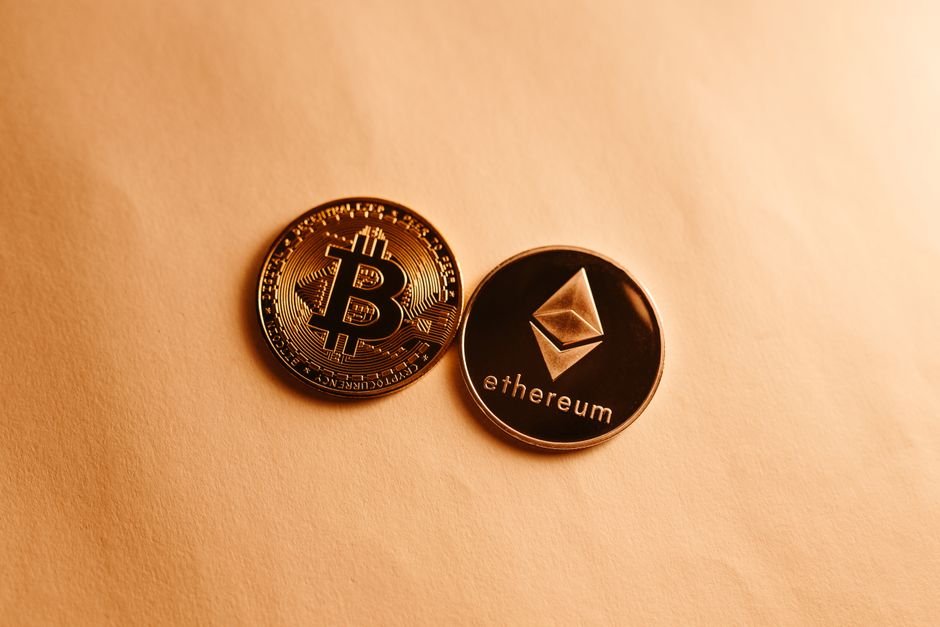
Kiyosaki’s decision to dump gold for alternative investments highlights a fundamental change in investor sentiment, one that is driven by a desire for higher returns and greater diversification. As the US economy continues to grapple with the consequences of rising interest rates and a slowing jobs market, investors are increasingly seeking out assets that can provide a hedge against inflation and market volatility. Cryptocurrencies, in particular, have gained traction as a potential alternative to gold, with many investors viewing them as a more effective way to diversify their portfolios. However, the rise of cryptocurrencies has also led to a significant increase in market volatility, making it increasingly difficult for investors to navigate the complex landscape.
The Full Picture
To understand the root causes of Kiyosaki’s decision to flip his stance on gold, it’s essential to examine the broader economic context. The US economy has been experiencing a slowdown in recent months, with many indicators pointing to a recession by the end of the year. The S&P 500, the benchmark index for the US stock market, has fallen by over 15% in the past quarter, with many analysts predicting further declines in the coming months. The decline in the stock market has led to a significant increase in investor appetite for safe-haven assets, such as gold and bonds. However, the rise of alternative investments, including cryptocurrencies and real estate, has also led to a significant shift in investor sentiment.
According to a recent report by Morgan Stanley, the rise of alternative investments has led to a significant decline in investor demand for gold and other precious metals. The report notes that investors are increasingly seeking out assets that can provide higher returns and greater diversification, with many viewing gold as a low-return asset. This shift in sentiment has led to a significant decline in gold’s price, which has made the asset less attractive to investors. As one analyst noted, “Gold is no longer the safe-haven asset it once was. Investors are increasingly seeking out assets that can provide higher returns and greater diversification.”
Root Causes
The decline in investor demand for gold is driven by a combination of factors, including the rise of alternative investments and the evolution of investor preferences. As the US economy continues to grapple with the consequences of rising interest rates and a slowing jobs market, investors are increasingly seeking out assets that can provide a hedge against inflation and market volatility. Cryptocurrencies, in particular, have gained traction as a potential alternative to gold, with many investors viewing them as a more effective way to diversify their portfolios. However, the rise of cryptocurrencies has also led to a significant increase in market volatility, making it increasingly difficult for investors to navigate the complex landscape.
The decline in investor demand for gold is also driven by a shift in investor preferences. According to a recent report by Barclays, investors are increasingly seeking out assets that can provide higher returns and greater diversification. The report notes that investors are willing to take on more risk in pursuit of higher returns, with many viewing index funds and exchange-traded funds (ETFs) as a more effective way to achieve their investment goals. This shift in investor preferences has led to a significant decline in investor demand for gold and other precious metals.
Market Implications
The decline in investor demand for gold has significant market implications, including a decline in gold’s price and a shift in investor sentiment. As the price of gold continues to decline, many investors are increasingly turning to alternative assets to mitigate risk. Cryptocurrencies, in particular, have gained traction as a potential alternative to gold, with many investors viewing them as a more effective way to diversify their portfolios. However, the rise of cryptocurrencies has also led to a significant increase in market volatility, making it increasingly difficult for investors to navigate the complex landscape.
The decline in investor demand for gold has also led to a significant decline in the price of gold mining stocks. According to a recent report by Bloomberg, the price of gold mining stocks has fallen by over 20% in the past quarter, with many analysts predicting further declines in the coming months. This decline has led to a significant increase in investor appetite for gold mining stocks, with many investors viewing them as a more effective way to invest in the gold market.

How It Affects You
The decline in investor demand for gold has significant implications for individual investors, including a decline in gold’s price and a shift in market sentiment. As the price of gold continues to decline, many investors are increasingly turning to alternative assets to mitigate risk. Cryptocurrencies, in particular, have gained traction as a potential alternative to gold, with many investors viewing them as a more effective way to diversify their portfolios. However, the rise of cryptocurrencies has also led to a significant increase in market volatility, making it increasingly difficult for investors to navigate the complex landscape.
The decline in investor demand for gold also has significant implications for the broader economy. According to a recent report by the IMF, a decline in investor demand for gold can lead to a decline in economic growth, as investors reduce their spending and investment in the economy. This decline can have significant implications for industries that are heavily reliant on gold, including jewelry and electronics.
Sector Spotlight
The decline in investor demand for gold has significant implications for various sectors, including the jewelry and electronics industries. As the price of gold continues to decline, many investors are increasingly turning to alternative assets to mitigate risk. Cryptocurrencies, in particular, have gained traction as a potential alternative to gold, with many investors viewing them as a more effective way to diversify their portfolios. However, the rise of cryptocurrencies has also led to a significant increase in market volatility, making it increasingly difficult for investors to navigate the complex landscape.
The decline in investor demand for gold has also led to a significant decline in the price of gold mining stocks. According to a recent report by Bloomberg, the price of gold mining stocks has fallen by over 20% in the past quarter, with many analysts predicting further declines in the coming months. This decline has led to a significant increase in investor appetite for gold mining stocks, with many investors viewing them as a more effective way to invest in the gold market.

Expert Voices
According to a recent report by Goldman Sachs, the decline in investor demand for gold is driven by a combination of factors, including the rise of alternative investments and the evolution of investor preferences. The report notes that investors are increasingly seeking out assets that can provide higher returns and greater diversification, with many viewing index funds and exchange-traded funds (ETFs) as a more effective way to achieve their investment goals. This shift in investor preferences has led to a significant decline in investor demand for gold and other precious metals.
As one analyst noted, “Gold is no longer the safe-haven asset it once was. Investors are increasingly seeking out assets that can provide higher returns and greater diversification.” This shift in sentiment has led to a significant decline in gold’s price, which has made the asset less attractive to investors. However, the decline in gold’s price has also led to a significant increase in investor appetite for gold mining stocks, with many investors viewing them as a more effective way to invest in the gold market.
Key Uncertainties
The decline in investor demand for gold has significant implications for individual investors, including a decline in gold’s price and a shift in market sentiment. As the price of gold continues to decline, many investors are increasingly turning to alternative assets to mitigate risk. Cryptocurrencies, in particular, have gained traction as a potential alternative to gold, with many investors viewing them as a more effective way to diversify their portfolios. However, the rise of cryptocurrencies has also led to a significant increase in market volatility, making it increasingly difficult for investors to navigate the complex landscape.
The decline in investor demand for gold has also led to a significant decline in the price of gold mining stocks. According to a recent report by Bloomberg, the price of gold mining stocks has fallen by over 20% in the past quarter, with many analysts predicting further declines in the coming months. This decline has led to a significant increase in investor appetite for gold mining stocks, with many investors viewing them as a more effective way to invest in the gold market.

Final Outlook
The decline in investor demand for gold has significant implications for the broader economy and individual investors. As the price of gold continues to decline, many investors are increasingly turning to alternative assets to mitigate risk. Cryptocurrencies, in particular, have gained traction as a potential alternative to gold, with many investors viewing them as a more effective way to diversify their portfolios. However, the rise of cryptocurrencies has also led to a significant increase in market volatility, making it increasingly difficult for investors to navigate the complex landscape.
The decline in investor demand for gold also has significant implications for the broader economy. According to a recent report by the IMF, a decline in investor demand for gold can lead to a decline in economic growth, as investors reduce their spending and investment in the economy. This decline can have significant implications for industries that are heavily reliant on gold, including jewelry and electronics.
As one analyst noted, “The decline in investor demand for gold is a sign of a broader shift in investor preferences. Investors are increasingly seeking out assets that can provide higher returns and greater diversification.” This shift in sentiment has led to a significant decline in gold’s price, which has made the asset less attractive to investors. However, the decline in gold’s price has also led to a significant increase in investor appetite for gold mining stocks, with many investors viewing them as a more effective way to invest in the gold market.