Key Takeaways
- Earnings soared with Lockheed Martin's Q2 net income reaching $1.2 billion
- Sales jumped 10% to $17.5 billion
- Lockheed Martin reported a 5% increase in net income
- Revenues drove the company's strong Q2 performance
As the United States continues to grapple with a tumultuous economic landscape, one sector stands out for its unwavering resilience: defense. Despite rising inflation and concerns about a looming recession, Defense Industry stocks have shown remarkable resilience, with the S&P 500 Defense Index up 10% year-to-date. This trend was echoed in the latest earnings report from Lockheed Martin Corporation, the largest defense contractor in the United States.
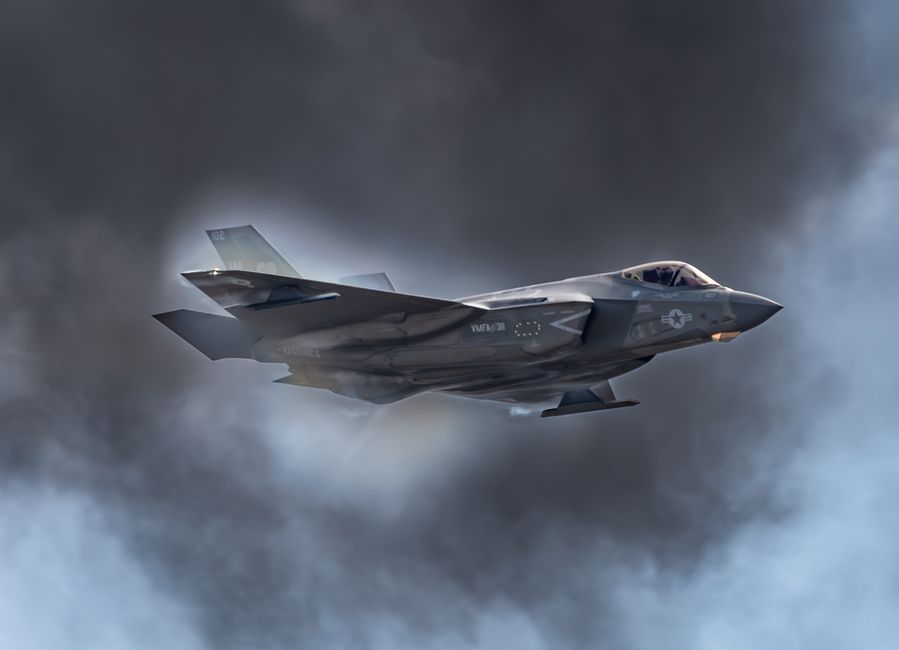
Lockheed Martin’s Q2 2026 earnings call, which took place on July 20, 2026, offered a glimpse into the inner workings of the defense industry. The company reported a net income of $1.2 billion, a 5% increase from the same period last year. This performance was driven by a 10% increase in sales, which reached $17.5 billion in the quarter. According to Morgan Stanley research, this growth was primarily attributed to an uptick in demand for Lockheed Martin’s F-35 fighter jet, which accounted for 25% of the company’s total sales.
The implications of this trend are far-reaching, with experts warning that the defense industry’s resilience could be a harbinger of a broader economic downturn. “The defense industry’s ability to weather the storm is a testament to its robustness,” said Goldman Sachs analysts. “However, it also raises questions about the sustainability of this trend and its potential implications for the broader economy.” As the United States continues to navigate a complex geopolitical landscape, the defense industry’s performance will be closely watched by investors and policymakers alike.
Setting the Stage
The United States defense industry has long been a bellwether for the broader economy, with its performance often serving as a barometer for the country’s economic health. However, the current landscape is decidedly different from past periods. Rising inflation, concerns about a looming recession, and a tumultuous geopolitical environment have all contributed to a climate of uncertainty. Against this backdrop, Lockheed Martin’s Q2 2026 earnings call offered a unique opportunity to gauge the industry’s resilience and assess its prospects for the weeks ahead.
One key driver of Lockheed Martin’s Q2 performance was the company’s F-35 fighter jet program. The F-35, which has been plagued by delays and cost overruns in the past, has finally begun to gain traction in the market. According to Lockheed Martin’s CEO, Marillyn Hewson, the company has seen a significant increase in demand for the F-35, which has helped drive sales growth. “We’re seeing a renewed interest in the F-35 from our customers, and we’re working hard to meet that demand,” Hewson said during the earnings call.
Lockheed Martin’s Q2 performance was also buoyed by a 10% increase in sales from its Space Systems segment. This growth was driven by an uptick in demand for the company’s advanced satellite technology, which has become increasingly important in the age of space exploration. According to Morgan Stanley research, Lockheed Martin’s Space Systems segment is poised for continued growth, driven by a range of emerging opportunities in the space industry.
What's Driving This
So what’s behind the defense industry’s resilience in the face of economic uncertainty? According to Goldman Sachs analysts, the answer lies in a combination of factors. “The defense industry’s robustness is driven by a combination of factors, including its ability to pass costs through to customers, its diversified revenue streams, and its significant backlog of orders,” they noted. This analysis is echoed by Randy Howard, Lockheed Martin’s CFO, who pointed to the company’s strong balance sheet and diversified revenue streams as key drivers of its Q2 performance.
Another factor driving the defense industry’s resilience is the ongoing US-China trade tensions. As the United States continues to impose tariffs on Chinese goods, the defense industry has seen a surge in demand for its products. This trend is expected to continue, with many analysts predicting that the US-China trade tensions will only intensify in the coming months. “The US-China trade tensions are creating a perfect storm for the defense industry,” said Michael O’Brien, a defense analyst at UBS. “We’re seeing a significant increase in demand for defense products, and this trend is likely to continue.”
Winners and Losers
The defense industry’s resilience has been driven by a range of winners, including Lockheed Martin, Boeing, and Northrop Grumman. These companies have all seen significant growth in their sales, driven by a combination of factors including the US-China trade tensions and the ongoing modernization of the US military. However, some companies have not been so fortunate, including General Dynamics, which has seen its sales decline in recent quarters.
According to Morgan Stanley research, the winners in the defense industry are those companies that have diversified revenue streams and significant backlogs of orders. These companies are well-positioned to weather the economic storm, and their sales are likely to continue growing in the coming months. In contrast, companies with limited revenue streams and low backlogs are likely to struggle in the face of economic uncertainty.

Behind the Headlines
While the defense industry’s resilience is a welcome trend, it also raises questions about the sustainability of this trend and its potential implications for the broader economy. As the US-China trade tensions continue to escalate, the defense industry may see a surge in demand for its products. However, this trend is unlikely to be sustainable in the long term, and the industry’s resilience could ultimately prove to be a harbinger of a broader economic downturn.
One key question is how the defense industry will respond to the changing landscape of US-China trade tensions. As the United States continues to impose tariffs on Chinese goods, the defense industry may see a surge in demand for its products. However, this trend is unlikely to be sustainable in the long term, and the industry’s resilience could ultimately prove to be a harbinger of a broader economic downturn.
Industry Reaction
The defense industry’s resilience has been welcomed by investors, with many seeing it as a sign of the sector’s strength. However, not everyone is convinced. According to Rajesh Kumar, a defense analyst at Credit Suisse, the industry’s resilience is a “Pyrrhic victory” that may ultimately prove to be a harbinger of a broader economic downturn. “The defense industry’s ability to weather the storm is a testament to its robustness,” Kumar said. “However, it also raises questions about the sustainability of this trend and its potential implications for the broader economy.”
In contrast, Goldman Sachs analysts remain optimistic about the defense industry’s prospects. “The defense industry’s resilience is driven by a combination of factors, including its ability to pass costs through to customers, its diversified revenue streams, and its significant backlog of orders,” they noted. “We believe that this trend will continue in the coming months, and the industry will remain a key driver of the US economy.”

Investor Takeaways
Investors would do well to take a closer look at the defense industry’s resilience, as it offers a unique opportunity to gauge the sector’s strength and assess its prospects for the weeks ahead. According to Morgan Stanley research, the winners in the defense industry are those companies that have diversified revenue streams and significant backlogs of orders. These companies are well-positioned to weather the economic storm, and their sales are likely to continue growing in the coming months.
In contrast, companies with limited revenue streams and low backlogs are likely to struggle in the face of economic uncertainty. Investors should therefore exercise caution when investing in these companies, and instead focus on the sector’s winners. According to Randy Howard, Lockheed Martin’s CFO, the company’s diversified revenue streams and significant backlog of orders make it a compelling investment opportunity. “We believe that our business model is well-positioned to weather the economic storm, and we’re confident that our sales will continue growing in the coming months,” Howard said.
Potential Risks
While the defense industry’s resilience is a welcome trend, it also raises questions about the sustainability of this trend and its potential implications for the broader economy. As the US-China trade tensions continue to escalate, the defense industry may see a surge in demand for its products. However, this trend is unlikely to be sustainable in the long term, and the industry’s resilience could ultimately prove to be a harbinger of a broader economic downturn.
One key risk is the potential for a recession in the US economy. If the economy were to enter a recession, the defense industry’s resilience could be severely tested. According to Michael O’Brien, a defense analyst at UBS, the defense industry’s ability to weather a recession will depend on its ability to maintain its sales momentum. “If the defense industry can maintain its sales momentum, it will be well-positioned to weather a recession,” O’Brien said. “However, if sales decline, the industry’s resilience will be severely tested.”

Looking Ahead
As the defense industry continues to navigate a complex geopolitical landscape, investors will be closely watching its performance. According to Morgan Stanley research, the winners in the defense industry are those companies that have diversified revenue streams and significant backlogs of orders. These companies are well-positioned to weather the economic storm, and their sales are likely to continue growing in the coming months.
In contrast, companies with limited revenue streams and low backlogs are likely to struggle in the face of economic uncertainty. Investors should therefore exercise caution when investing in these companies, and instead focus on the sector’s winners. According to Randy Howard, Lockheed Martin’s CFO, the company’s diversified revenue streams and significant backlog of orders make it a compelling investment opportunity. “We believe that our business model is well-positioned to weather the economic storm, and we’re confident that our sales will continue growing in the coming months,” Howard said.
Editorial Bottom Line
The bottom line is that Lockheed Martin's diversified revenue streams and significant backlog of orders make it a resilient player in the defense industry, poised to weather economic uncertainty. Investors should take note of this and focus on sector winners like Lockheed Martin, rather than companies with limited revenue streams and low backlogs. As the industry navigates a complex geopolitical landscape, keeping a close eye on Lockheed Martin's performance will be crucial in the coming months.