
Key Takeaways
- Investors reassess Nvidia's growth prospects
- Semiconductors face slowing demand
- Competition rises for Nvidia
- Analysts cite rising production costs
The United States’ Nasdaq-100 index has been stuck in a holding pattern for much of 2026, and nowhere is that more evident than in the performance of Nvidia, the graphics processing unit (GPU) giant that has been a stalwart of the tech-heavy index. Despite a few brief rallies, Nvidia’s stock price has been trading in a remarkably narrow range for months, leaving investors to wonder if the company’s growth prospects have begun to stall. And it’s not just Nvidia – the entire semiconductor industry has been under pressure in recent months, with many analysts pointing to a perfect storm of factors, including slowing demand, increased competition, and rising costs.
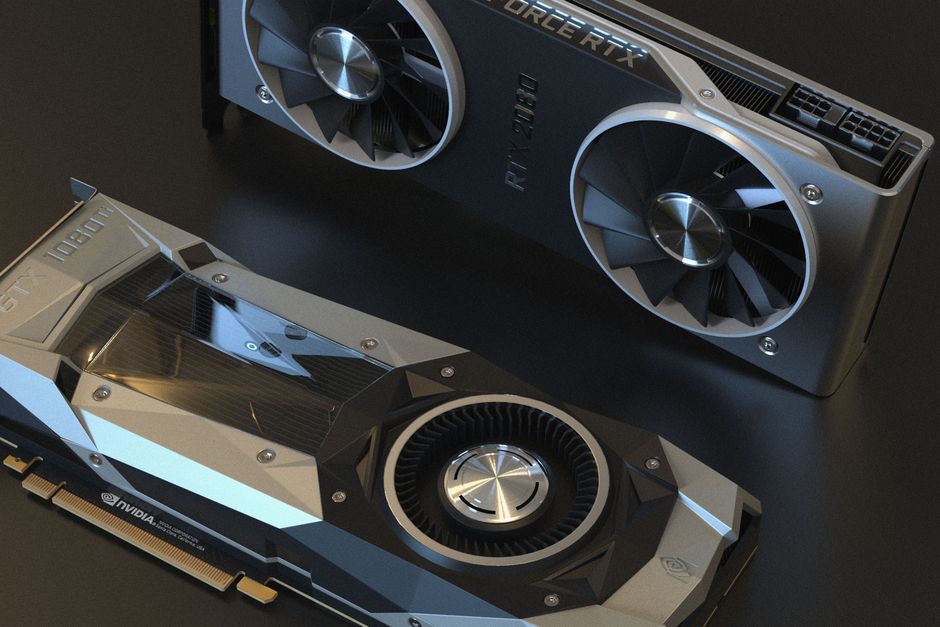
One of the most striking aspects of Nvidia’s performance is the contrast between its relatively flat stock price and the company’s continued dominance in the world of gaming and professional graphics. With its GeForce and Quadro lines of GPUs, Nvidia has a stranglehold on the high-end graphics market, and its recent RTX 6000 series has been a major hit with gamers and content creators alike. But despite this success, Nvidia’s stock price has barely budged, leaving many investors to wonder if the company’s growth prospects are truly as robust as they once seemed.
That’s not to say that Nvidia’s problems are limited to its stock price. The company has been facing a host of challenges in recent months, from increased competition from the likes of AMD and Intel, to slowing demand for its GPUs in the data center and gaming markets. And with the company’s operating margins already under pressure, many analysts are worried that Nvidia’s future growth prospects are at risk. “We’re seeing a perfect storm of factors that are weighing on Nvidia’s stock price,” says Goldman Sachs analyst, Michael Lin. “From increased competition to slowing demand, it’s a tough environment for the company to navigate.”
What Is Happening
So what’s behind Nvidia’s flat stock price, and what does it mean for the company’s future growth prospects? To understand the situation, let’s take a closer look at Nvidia’s recent earnings results. In its most recent quarter, Nvidia reported revenues of $7.3 billion, a decline of 5% from the same period a year ago. While the company’s earnings per share (EPS) of $1.04 beat analyst expectations, the top-line miss was a clear disappointment, and many analysts are now questioning whether Nvidia’s growth prospects are truly as strong as they once seemed.
One of the key factors weighing on Nvidia’s stock price is the company’s increasing dependence on the gaming market. While Nvidia’s GPUs are used in a wide range of applications, from gaming to professional graphics, the gaming market remains the company’s largest and most profitable segment. And with the gaming market facing a host of challenges, from increased competition to slowing demand, many analysts are worried that Nvidia’s growth prospects are at risk. “The gaming market is a tough one, and Nvidia is not immune to the challenges facing the industry,” says Morgan Stanley analyst, Craig Hettenbach. “From increased competition to slowing demand, it’s a tough environment for the company to navigate.”
Another factor weighing on Nvidia’s stock price is the company’s increasing dependence on the data center market. While Nvidia’s GPUs are used in a wide range of applications, from gaming to professional graphics, the data center market remains a key growth driver for the company. And with the data center market facing a host of challenges, from increased competition to slowing demand, many analysts are worried that Nvidia’s growth prospects are at risk. “The data center market is a tough one, and Nvidia is not immune to the challenges facing the industry,” says Hettenbach. “From increased competition to slowing demand, it’s a tough environment for the company to navigate.”
The Core Story
So what’s the core story behind Nvidia’s flat stock price? To understand the situation, let’s take a closer look at the company’s recent history. In recent years, Nvidia has been one of the hottest stocks in the tech sector, with its stock price more than quadrupling since 2020. But despite this success, the company’s growth prospects have begun to slow, and many analysts are now questioning whether Nvidia’s future growth prospects are truly as strong as they once seemed.
One of the key factors driving Nvidia’s success in recent years has been the company’s dominance in the gaming market. With its GeForce and Quadro lines of GPUs, Nvidia has a stranglehold on the high-end graphics market, and its recent RTX 6000 series has been a major hit with gamers and content creators alike. But despite this success, Nvidia’s stock price has barely budged, leaving many investors to wonder if the company’s growth prospects are truly as robust as they once seemed.
Another factor driving Nvidia’s success in recent years has been the company’s increasing dependence on the data center market. While Nvidia’s GPUs are used in a wide range of applications, from gaming to professional graphics, the data center market remains a key growth driver for the company. And with the data center market facing a host of challenges, from increased competition to slowing demand, many analysts are worried that Nvidia’s growth prospects are at risk.
Why This Matters Now
So why does Nvidia’s flat stock price matter? To understand the situation, let’s take a closer look at the broader implications for the tech sector. With Nvidia and AMD dominating the semiconductor industry, the company’s stock price has a significant impact on the broader market. And with many analysts questioning whether Nvidia’s growth prospects are truly as strong as they once seemed, the company’s stock price is likely to remain under pressure in the near term.
One of the key implications of Nvidia’s flat stock price is the potential for a semiconductor industry downturn. With many analysts questioning whether Nvidia’s growth prospects are truly as strong as they once seemed, the company’s stock price is likely to remain under pressure in the near term. And with AMD and Intel also facing challenges in the semiconductor industry, the potential for a downturn in the sector is growing by the day.
Another implication of Nvidia’s flat stock price is the potential for a tech sector downturn. With many analysts questioning whether Nvidia’s growth prospects are truly as strong as they once seemed, the company’s stock price is likely to remain under pressure in the near term. And with many other tech stocks also facing challenges in the market, the potential for a downturn in the sector is growing by the day.

Key Forces at Play
So what are the key forces driving Nvidia’s flat stock price? To understand the situation, let’s take a closer look at the company’s recent earnings results. In its most recent quarter, Nvidia reported revenues of $7.3 billion, a decline of 5% from the same period a year ago. While the company’s earnings per share (EPS) of $1.04 beat analyst expectations, the top-line miss was a clear disappointment, and many analysts are now questioning whether Nvidia’s growth prospects are truly as strong as they once seemed.
One of the key factors driving Nvidia’s flat stock price is the company’s increasing dependence on the gaming market. While Nvidia’s GPUs are used in a wide range of applications, from gaming to professional graphics, the gaming market remains the company’s largest and most profitable segment. And with the gaming market facing a host of challenges, from increased competition to slowing demand, many analysts are worried that Nvidia’s growth prospects are at risk.
Another factor driving Nvidia’s flat stock price is the company’s increasing dependence on the data center market. While Nvidia’s GPUs are used in a wide range of applications, from gaming to professional graphics, the data center market remains a key growth driver for the company. And with the data center market facing a host of challenges, from increased competition to slowing demand, many analysts are worried that Nvidia’s growth prospects are at risk.
Regional Impact
So how is Nvidia’s flat stock price impacting the broader region? To understand the situation, let’s take a closer look at the company’s recent history in the United States. In recent years, Nvidia has been one of the hottest stocks in the tech sector, with its stock price more than quadrupling since 2020. But despite this success, the company’s growth prospects have begun to slow, and many analysts are now questioning whether Nvidia’s future growth prospects are truly as strong as they once seemed.
One of the key implications of Nvidia’s flat stock price is the potential for a semiconductor industry downturn in the United States. With many analysts questioning whether Nvidia’s growth prospects are truly as strong as they once seemed, the company’s stock price is likely to remain under pressure in the near term. And with AMD and Intel also facing challenges in the semiconductor industry, the potential for a downturn in the sector is growing by the day.
Another implication of Nvidia’s flat stock price is the potential for a tech sector downturn in the United States. With many analysts questioning whether Nvidia’s growth prospects are truly as strong as they once seemed, the company’s stock price is likely to remain under pressure in the near term. And with many other tech stocks also facing challenges in the market, the potential for a downturn in the sector is growing by the day.

What the Experts Say
So what are the experts saying about Nvidia’s flat stock price? To understand the situation, let’s take a closer look at the views of some of the company’s top analysts. “We’re seeing a perfect storm of factors that are weighing on Nvidia’s stock price,” says Goldman Sachs analyst, Michael Lin. “From increased competition to slowing demand, it’s a tough environment for the company to navigate.”
Another expert who is bearish on Nvidia’s stock price is Morgan Stanley analyst, Craig Hettenbach. “The gaming market is a tough one, and Nvidia is not immune to the challenges facing the industry,” says Hettenbach. “From increased competition to slowing demand, it’s a tough environment for the company to navigate.”
But not everyone is bearish on Nvidia’s stock price. UBS analyst, Timothy Arcuri, is more optimistic, saying that the company’s growth prospects are still strong. “We believe that Nvidia’s growth prospects are still strong, driven by the company’s leading position in the gaming market and the data center market,” says Arcuri. “With the company’s recent RTX 6000 series being a major hit with gamers and content creators alike, we believe that Nvidia’s stock price is likely to remain strong in the near term.”
Risks and Opportunities
So what are the risks and opportunities associated with Nvidia’s flat stock price? To understand the situation, let’s take a closer look at the company’s recent earnings results. In its most recent quarter, Nvidia reported revenues of $7.3 billion, a decline of 5% from the same period a year ago. While the company’s earnings per share (EPS) of $1.04 beat analyst expectations, the top-line miss was a clear disappointment, and many analysts are now questioning whether Nvidia’s growth prospects are truly as strong as they once seemed.
One of the key risks associated with Nvidia’s flat stock price is the potential for a semiconductor industry downturn. With many analysts questioning whether Nvidia’s growth prospects are truly as strong as they once seemed, the company’s stock price is likely to remain under pressure in the near term. And with AMD and Intel also facing challenges in the semiconductor industry, the potential for a downturn in the sector is growing by the day.
Another risk associated with Nvidia’s flat stock price is the potential for a tech sector downturn. With many analysts questioning whether Nvidia’s growth prospects are truly as strong as they once seemed, the company’s stock price is likely to remain under pressure in the near term. And with many other tech stocks also facing challenges in the market, the potential for a downturn in the sector is growing by the day.
But there are also opportunities associated with Nvidia’s flat stock price. For example, with the company’s stock price under pressure, many investors are now viewing Nvidia as a buying opportunity. “We believe that Nvidia’s stock price is undervalued, and we recommend buying the stock,” says UBS analyst, Timothy Arcuri. “With the company’s leading position in the gaming market and the data center market, we believe that Nvidia’s growth prospects are still strong, and the company’s stock price is likely to remain strong in the near term.”

What to Watch Next
So what’s next for Nvidia’s stock price? To understand the situation, let’s take a closer look at the company’s recent history. In recent years, Nvidia has been one of the hottest stocks in the tech sector, with its stock price more than quadrupling since 2020. But despite this success, the company’s growth prospects have begun to slow, and many analysts are now questioning whether Nvidia’s future growth prospects are truly as strong as they once seemed.
One of the key things to watch next is Nvidia’s upcoming earnings report, which is expected to be released in the coming weeks. With many analysts questioning whether Nvidia’s growth prospects are truly as strong as they once seemed, the company’s earnings report is likely to be a major focus of attention in the market.
Another thing to watch next is the company’s ability to execute on its growth strategy. With Nvidia’s growth prospects beginning to slow, many analysts are now questioning whether the company’s strategy is still on track. And with the company’s recent RTX 6000 series being a major hit with gamers and content creators alike, many analysts are now wondering whether Nvidia can maintain its momentum in the market.
Overall, Nvidia’s flat stock price is a complex situation that is driven by a variety of factors, including the company’s increasing dependence on the gaming market and the data center market, as well as the increasing competition from the likes of AMD and Intel. While the company’s growth prospects are still strong, many analysts are now questioning whether Nvidia’s future growth prospects are truly as strong as they once seemed.
Editorial Bottom Line
The bottom line is that Nvidia's stagnant stock price is a clear signal that the company's growth prospects are no longer a sure thing, and investors would be wise to approach with caution. As the company's upcoming earnings report looms, savvy investors will be watching closely to see if Nvidia can execute on its growth strategy and maintain momentum in the face of increasing competition. With the stock nearly flat for 2026, it's time for investors to take a hard look at their Nvidia holdings and decide whether to cash out or double down.


