
Key Takeaways
- Reopening the Strait of Hormuz boosts oil supplies
- Experts warn of market volatility
- Tankers increase oil shipments
- Stockpiles surge amid renewed production
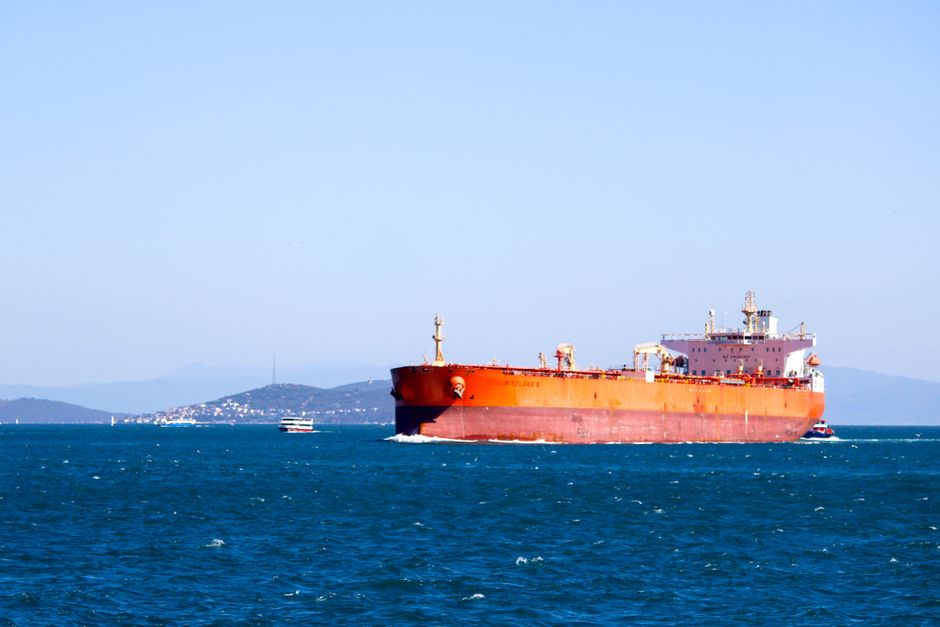
The United States Energy Information Administration reported that the country’s crude oil stockpiles increased by 1.6 million barrels last week, marking the fifth consecutive week of gains. This might seem like a minor blip on the radar, but experts warn that a more significant and potentially market-moving trend could be lurking beneath the surface: the reopening of the Strait of Hormuz. This critical waterway, which connects the Persian Gulf to the Gulf of Oman, has been a focal point of global attention in recent months due to tensions between the United States and Iran. As the world’s largest oil tanker shipping route, the Strait of Hormuz is a vital artery for global energy supplies, and any disruptions to its flow can have far-reaching consequences for the oil market.
The Strait of Hormuz has long been a flashpoint for tensions between major oil producers and consumers, with the United States, China, and other nations relying on it for a significant portion of their oil imports. According to the US Energy Information Administration, approximately 20% of the world’s total oil exports pass through the Strait of Hormuz, including around 70% of Saudi Arabia’s oil exports and nearly 95% of the United Arab Emirates’ oil exports. These numbers are a staggering reminder of the Strait’s importance to the global oil market, and any disruptions to its flow can have a significant impact on oil prices.
So what’s behind the current tensions in the Strait of Hormuz? At the heart of the matter is a dispute between the United States and Iran over a range of issues, including Iran’s nuclear program and its support for militant groups in the region. The Trump administration’s decision to reimpose sanctions on Iran in May 2018 marked a significant escalation in tensions, and the situation has only become more volatile since then. In recent weeks, the situation has escalated further, with US officials warning of a potential Iranian attack on oil tankers in the region.
The Full Picture
To understand the implications of the Strait of Hormuz’s reopening, we need to take a step back and examine the broader context. The global oil market has been in a state of flux in recent years, driven by a combination of factors including rising demand, growing shale production in the United States, and declining output from traditional oil-producing nations. The OPEC+ agreement, which was first established in 2016 and has since been periodically renewed, has played a key role in stabilizing the oil market by limiting production and propping up prices. However, the agreement is under increasing pressure, with some members, including the United Arab Emirates and Saudi Arabia, calling for an end to production cuts.
The impact of the Strait of Hormuz’s reopening on the oil market will depend on a range of factors, including the level of disruption to oil flows, the response of major oil producers to any disruptions, and the overall state of the global economy. If tensions between the United States and Iran continue to escalate, it’s possible that we could see a significant increase in oil prices, as investors become increasingly risk-averse and demand for oil increases. On the other hand, if the situation is resolved quickly and oil flows are restored, the impact on oil prices could be limited.
Root Causes
At the heart of the tensions in the Strait of Hormuz are a range of complex and interconnected issues, including Iran’s nuclear program, its support for militant groups in the region, and the ongoing rivalry between the United States and Iran for dominance in the Middle East. The Trump administration’s decision to reimpose sanctions on Iran in May 2018 marked a significant escalation in tensions, and the situation has only become more volatile since then. In recent weeks, the situation has escalated further, with US officials warning of a potential Iranian attack on oil tankers in the region.
Goldman Sachs analysts noted that the tensions in the Strait of Hormuz are likely to have a significant impact on oil prices, particularly if the situation escalates further. “The Strait of Hormuz is a critical waterway for global energy supplies, and any disruptions to its flow can have far-reaching consequences for the oil market,” they said. “We expect oil prices to rise in response to any increase in tensions, particularly if the situation escalates further.”
According to Morgan Stanley research, the Strait of Hormuz is a key vulnerability for the global oil market, and any disruptions to its flow can have significant consequences for oil prices. “The Strait of Hormuz is a critical chokepoint for global energy supplies, and any disruptions to its flow can have far-reaching consequences for the oil market,” the researchers said. “We expect oil prices to rise in response to any increase in tensions, particularly if the situation escalates further.”
Market Implications
The reopening of the Strait of Hormuz is likely to have a significant impact on the oil market, with oil prices potentially rising in response to any increase in tensions. The situation has already had an impact on oil trading, with prices rising in response to the latest developments. According to data from the US Energy Information Administration, the price of West Texas Intermediate (WTI) crude oil has risen by around 5% since the start of the year, driven by a combination of factors including rising demand, growing shale production in the United States, and declining output from traditional oil-producing nations.
The impact of the Strait of Hormuz’s reopening on the oil market will depend on a range of factors, including the level of disruption to oil flows, the response of major oil producers to any disruptions, and the overall state of the global economy. If tensions between the United States and Iran continue to escalate, it’s possible that we could see a significant increase in oil prices, as investors become increasingly risk-averse and demand for oil increases. On the other hand, if the situation is resolved quickly and oil flows are restored, the impact on oil prices could be limited.

How It Affects You
The reopening of the Strait of Hormuz is likely to have a significant impact on oil prices, which could in turn affect consumers across the United States. According to data from the US Energy Information Administration, the price of gasoline has risen by around 10% since the start of the year, driven by a combination of factors including rising demand, growing shale production in the United States, and declining output from traditional oil-producing nations. If tensions between the United States and Iran continue to escalate, it’s possible that we could see a further increase in oil prices, which could in turn affect consumers across the country.
The impact of the Strait of Hormuz’s reopening on the oil market will also depend on the response of major oil producers to any disruptions. According to a report by the International Energy Agency (IEA), the world’s major oil producers have been increasing their output in recent months in response to rising demand. However, if the situation in the Strait of Hormuz escalates further, it’s possible that these producers will need to reduce their output in response to any disruptions to oil flows.
Sector Spotlight
The reopening of the Strait of Hormuz is likely to have a significant impact on the oil sector, with oil prices potentially rising in response to any increase in tensions. The situation has already had an impact on oil trading, with prices rising in response to the latest developments. According to data from the US Energy Information Administration, the price of West Texas Intermediate (WTI) crude oil has risen by around 5% since the start of the year, driven by a combination of factors including rising demand, growing shale production in the United States, and declining output from traditional oil-producing nations.
The impact of the Strait of Hormuz’s reopening on the oil sector will depend on a range of factors, including the level of disruption to oil flows, the response of major oil producers to any disruptions, and the overall state of the global economy. If tensions between the United States and Iran continue to escalate, it’s possible that we could see a significant increase in oil prices, which could in turn affect the profits of oil producers. On the other hand, if the situation is resolved quickly and oil flows are restored, the impact on oil prices could be limited.

Expert Voices
Goldman Sachs analysts noted that the tensions in the Strait of Hormuz are likely to have a significant impact on oil prices, particularly if the situation escalates further. “The Strait of Hormuz is a critical waterway for global energy supplies, and any disruptions to its flow can have far-reaching consequences for the oil market,” they said. “We expect oil prices to rise in response to any increase in tensions, particularly if the situation escalates further.”
According to Morgan Stanley research, the Strait of Hormuz is a key vulnerability for the global oil market, and any disruptions to its flow can have significant consequences for oil prices. “The Strait of Hormuz is a critical chokepoint for global energy supplies, and any disruptions to its flow can have far-reaching consequences for the oil market,” the researchers said. “We expect oil prices to rise in response to any increase in tensions, particularly if the situation escalates further.”
Key Uncertainties
One of the key uncertainties surrounding the Strait of Hormuz’s reopening is the level of disruption to oil flows. According to data from the US Energy Information Administration, the Strait of Hormuz is a critical waterway for global energy supplies, with around 20% of the world’s total oil exports passing through it. However, the exact level of disruption to oil flows is difficult to predict, and will depend on a range of factors including the level of tensions between the United States and Iran, and the response of major oil producers to any disruptions.
Another key uncertainty surrounding the Strait of Hormuz’s reopening is the impact on oil prices. According to Goldman Sachs analysts, oil prices are likely to rise in response to any increase in tensions, particularly if the situation escalates further. However, the exact level of increase is difficult to predict, and will depend on a range of factors including the level of disruption to oil flows, the response of major oil producers to any disruptions, and the overall state of the global economy.

Final Outlook
In conclusion, the reopening of the Strait of Hormuz is a significant development that is likely to have far-reaching consequences for the oil market. The situation has already had an impact on oil trading, with prices rising in response to the latest developments. However, the exact level of disruption to oil flows is difficult to predict, and will depend on a range of factors including the level of tensions between the United States and Iran, and the response of major oil producers to any disruptions.
As the situation in the Strait of Hormuz continues to unfold, investors will be watching closely for any signs of further escalation or de-escalation. According to Morgan Stanley research, the Strait of Hormuz is a key vulnerability for the global oil market, and any disruptions to its flow can have significant consequences for oil prices. “The Strait of Hormuz is a critical chokepoint for global energy supplies, and any disruptions to its flow can have far-reaching consequences for the oil market,” the researchers said. “We expect oil prices to rise in response to any increase in tensions, particularly if the situation escalates further.”
As we move forward, it’s clear that the Strait of Hormuz will remain a critical focal point for the global oil market. With tensions between the United States and Iran continuing to escalate, it’s possible that we could see a significant increase in oil prices, as investors become increasingly risk-averse and demand for oil increases. On the other hand, if the situation is resolved quickly and oil flows are restored, the impact on oil prices could be limited. As the situation continues to unfold, one thing is clear: the Strait of Hormuz will remain a critical chokepoint for global energy supplies, and any disruptions to its flow will have far-reaching consequences for the oil market.


