
SpaceX Catches Starship Upper Stage for First Time Despite Booster Explosion
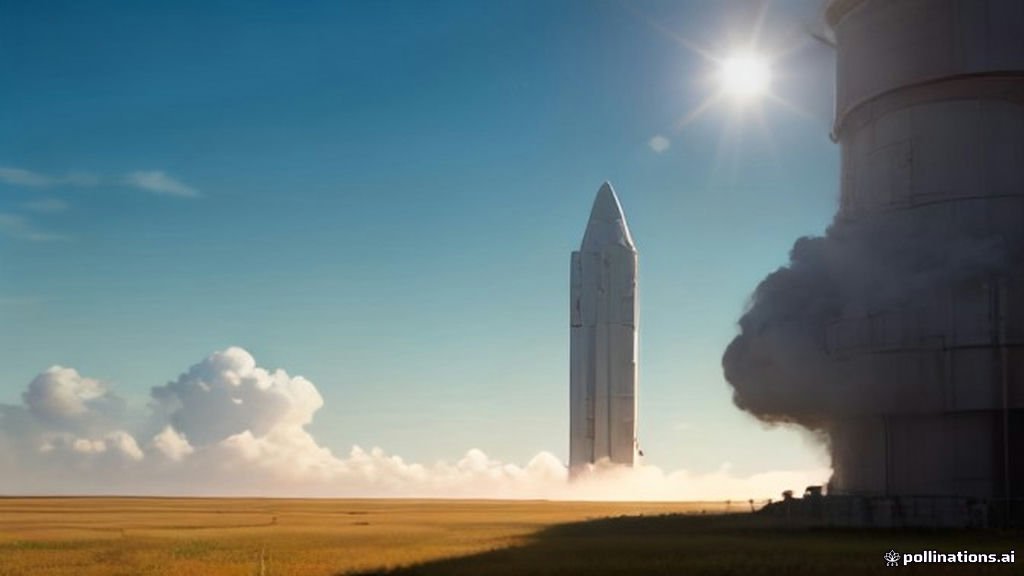
SpaceX achieved a major milestone in its push for rapid rocket reusability on Saturday when its Texas launch tower successfully snagged the Starship upper stage out of the air. The historic recovery wrapped up a 22-hour test flight that saw the spacecraft circle the Earth 14 times and deploy 26 Starlink V3 satellites into orbit. The 171-foot (52-meter) bullet-shaped craft descended directly into the mechanical arms of the launch tower. It marked only the second time Starship has reached orbit, and the first time SpaceX managed to catch the upper stage upon its return.
Booster Diverts to Gulf After System Trigger
SpaceX had originally hoped to achieve a double catch during this 15th test flight by retrieving both components of the megarocket at the launch pad. The vehicle consists of the lower Super Heavy booster, powered by Raptor engines, and the upper Starship stage. That plan fell apart on Friday when the booster diverted a few minutes after liftoff and exploded in the Gulf of Mexico. The abort was triggered by the guidance, navigation, and control system. “It was doing what it was supposed to do. Basically, it detected that the booster wasn’t in the place it was supposed to be to proceed with a catch,” SpaceX spokesperson Dan Huot said early Saturday. SpaceX chief executive Elon Musk added that the booster was also “slightly low on fuel.”
Moon and Mars Ambitions
Despite the loss of the booster, the successful capture of the upper stage brings SpaceX closer to its goal of operating rockets much like commercial airplanes. Musk told investors on a recent earnings call that the company intends to increase Starship test flights to a weekly cadence, eventually aiming for twice-weekly launches to lower spaceflight costs. The progress aligns with NASA’s timeline to return astronauts to the moon by 2028. NASA has contracted both SpaceX and Jeff Bezos’s Blue Origin to develop lunar landing systems. NASA Administrator Jared Isaacman, who was recommended for the post by Musk to Donald Trump, praised the flight on X, writing that the company is “Making more believers by the day” and moving “One step closer to [the moon].”
Beyond lunar missions, Musk continues to position the reusable Starship architecture as the primary foundation for carrying humans to Mars. In the immediate term, the system remains central to expanding his satellite internet network, demonstrated by the deployment of the 26 Starlink V3 satellites during this latest orbital run.