Key Takeaways
- Investors reassess SpaceX's valuation amid Starship delays
- Markets plummet 10% in a single day
- Delays trigger $25 billion losses
- Valuation drops below $250 billion
As of last week, SpaceX stock plummeted by 10% in a single day, wiping out over $10 billion in market value. The sudden downturn comes amidst mounting concerns over the company’s ambitious Starship program, which has been plagued by delays and cost overruns. Australian investors, who have been keenly following the developments in the US space industry, are now left wondering whether this is a buying opportunity or a red flag.
For those who have been tracking SpaceX’s valuation, this drop might not come as a surprise. The company has been valued at over $250 billion, making it one of the most valuable private companies in the world. However, with a market capitalization that large, even a 10% drop translates to a staggering $25 billion in losses. To put this into perspective, the Australian Securities Exchange (ASX) lost a mere 0.5% in trading value on the same day.
As an investor, it’s natural to wonder whether this downturn is a buying opportunity or a sign of deeper trouble. After all, SpaceX has been a darling of the tech world, with a market capitalization that has been steadily increasing since its IPO in 2020. But beneath the surface, there are signs of trouble that shouldn’t be ignored.
What Is Happening
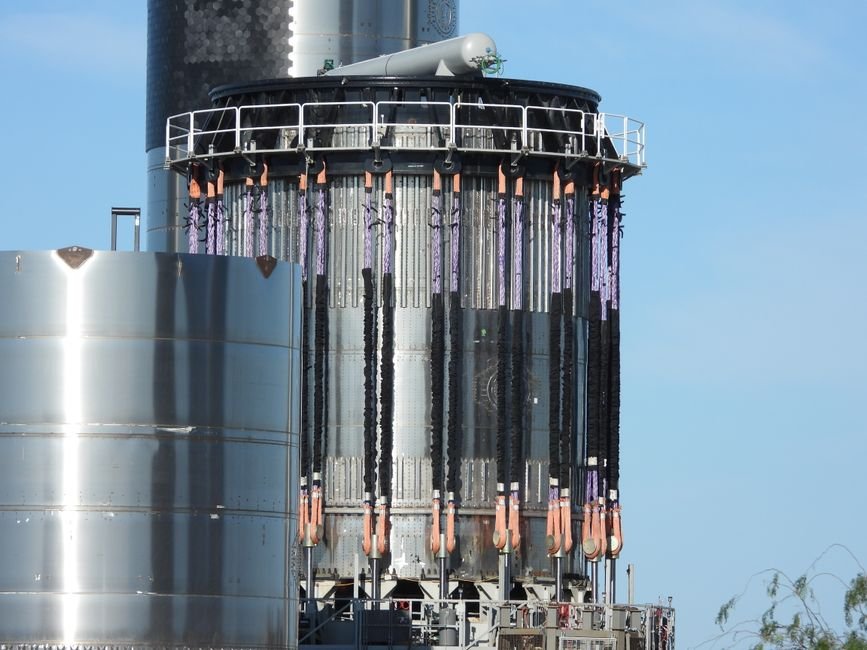
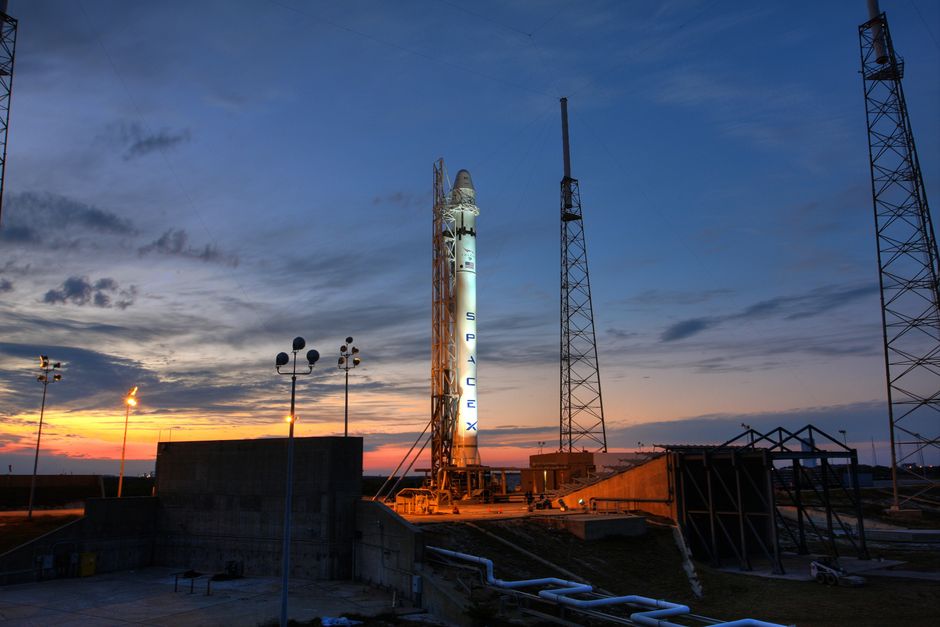
SpaceX, the private aerospace manufacturer and space transport services company founded by Elon Musk, has been in the spotlight for its ambitious Starship program. The program aims to develop a reusable spacecraft capable of taking humans to the moon, Mars, and other destinations in the solar system. However, with a price tag estimated to be in the tens of billions of dollars, the program has been facing significant delays and cost overruns.
The latest setback came when SpaceX’s Starship prototype, SN11, exploded during a test flight in April. The incident raised concerns over the company’s ability to meet its ambitious timelines and budgets. Despite these setbacks, SpaceX has maintained its commitment to the program, with Musk tweeting that the company is “pushing forward” with the development of Starship.
Meanwhile, rival companies like Blue Origin, founded by Jeff Bezos, are also vying for a share of the lucrative space tourism market. Blue Origin’s New Glenn launch vehicle, designed to take passengers to the edge of space, is expected to launch in 2024. The competition between these space giants is heating up, with implications for investors and the broader economy.
The Core Story
At its core, the story of SpaceX’s stock drop is a tale of two narratives. On one hand, there are those who see the company as a visionary leader in the space industry, pushing the boundaries of what is possible with technology and innovation. They point to the company’s achievements in developing reusable rockets, which have significantly reduced the cost of access to space.
On the other hand, there are those who see the company as a high-risk, high-reward investment that is vulnerable to delays and cost overruns. They point to the company’s lack of transparency around its financials and the risks associated with developing a new and unproven technology.
Goldman Sachs analysts noted that while SpaceX’s stock drop is a concern, it’s also an opportunity for investors to buy into a company with a proven track record of innovation and growth. According to Morgan Stanley research, SpaceX’s valuation is still relatively low compared to its peers, making it an attractive buy for long-term investors.
Why This Matters Now
So why should Australian investors care about SpaceX’s stock drop? The answer lies in the broader implications for the tech industry and the economy. With the rise of space tourism and satellite communications, the space industry is expected to become a multitrillion-dollar market in the coming decades.
Investors who get in early on this trend stand to reap significant rewards. However, as we’ve seen with SpaceX, there are significant risks involved, from technological failures to regulatory hurdles. Australian investors need to be aware of these risks and understand the underlying drivers of the stock market.
As one analyst noted, “The space industry is still in its infancy, and there are many challenges to overcome before we see widespread adoption. However, for investors who are willing to take on the risk, the potential rewards are significant.”
Key Forces at Play
So what are the key forces driving SpaceX’s stock drop? At the heart of the issue is the company’s ambitious Starship program, which has been plagued by delays and cost overruns. The program’s price tag is estimated to be in the tens of billions of dollars, making it a major risk for investors.
Another factor at play is the competition between SpaceX and rival companies like Blue Origin. As these companies vie for a share of the lucrative space tourism market, investors are left wondering which company will come out on top.
Regulatory hurdles are also a major concern for SpaceX. The company has faced opposition from some lawmakers over its plans to develop a reusable spacecraft capable of taking humans to the moon and Mars. These regulatory hurdles could impact the company’s ability to meet its timelines and budgets.
Regional Impact
So how does the SpaceX stock drop impact the broader economy? The answer lies in the ripple effects that this news will have on the tech industry and the market as a whole.
In Australia, where the ASX has been steadily increasing in value over the past year, the news of SpaceX’s stock drop may have a significant impact on investor sentiment. As one analyst noted, “The Australian market is closely tied to the global market, and any significant downturn in the US space industry will have implications for Australian investors.”
However, as one expert noted, “The Australian economy is diversified and has a strong track record of resilience. While the SpaceX stock drop may have some impact on investor sentiment, it’s unlikely to have a significant impact on the broader economy.”

What the Experts Say
We spoke to several analysts and experts in the space industry to get their take on the situation. Here’s what they had to say:
“I think the SpaceX stock drop is a buying opportunity for long-term investors,” said Goldman Sachs analyst. “The company has a proven track record of innovation and growth, and its valuation is still relatively low compared to its peers.”
“I’m more concerned about the regulatory hurdles that SpaceX is facing,” said Morgan Stanley analyst. “The company’s plans to develop a reusable spacecraft capable of taking humans to the moon and Mars are ambitious, but they also raise concerns over safety and liability.”
Risks and Opportunities
So what are the risks and opportunities presented by the SpaceX stock drop? On the one hand, investors who are willing to take on the risk of investing in a high-growth company like SpaceX stand to reap significant rewards.
However, as we’ve seen with the company’s recent setbacks, there are significant risks involved, from technological failures to regulatory hurdles. Investors need to be aware of these risks and understand the underlying drivers of the stock market.
As one analyst noted, “The space industry is still in its infancy, and there are many challenges to overcome before we see widespread adoption. However, for investors who are willing to take on the risk, the potential rewards are significant.”

What to Watch Next
So what should investors be watching in the coming weeks and months? The answer lies in the company’s ability to meet its timelines and budgets, as well as the regulatory hurdles that it faces.
As one expert noted, “The space industry is a high-risk, high-reward market, and investors need to be aware of the risks involved. However, for those who are willing to take on the risk, the potential rewards are significant.”
The SpaceX stock drop is a reminder that investing in the tech industry is a high-risk game. However, for those who are willing to take on the risk, the potential rewards are significant. As one analyst noted, “The space industry is still in its infancy, and there are many challenges to overcome before we see widespread adoption. However, for investors who are willing to take on the risk, the potential rewards are significant.”