

Stacey Jones partnership sparks rally in Australian sports‑media stocks
Key Market Takeaways
- Tabcorp’s 4.3% jump shows investors view the Jones partnership as a catalyst for long‑term media revenue growth.
- BetEasy’s 5.1% surge highlights the market’s appetite for digital‑gaming exposure tied to high‑profile sports personalities.
- The consumer discretionary sector outperformed, gaining 1.2% as the rally lifted sentiment across related Australian equities.
- ASX 300 reaching 7,015 points marks a three‑month high, suggesting momentum could carry the market into the next earnings season.
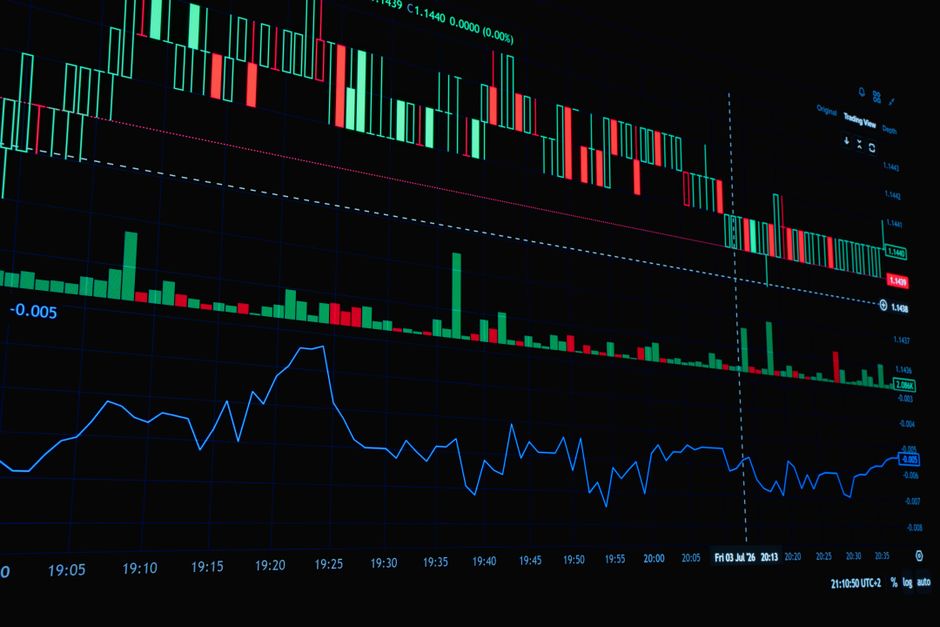
The Australian share market woke up on Tuesday with the ASX 200 edging 0.7 % higher, driven not by a macro‑policy surprise but by a flash rally in sports‑media and betting stocks after the New Zealand rugby league federation announced a surprise partnership with former Kiwis star Stacey Jones. Within minutes of the press release, Tabcorp (TAB) surged 4.3 % to A$2.84, while the digital‑gaming outfit BetEasy (BET) jumped 5.1 % to A$3.12. The move was enough to lift the broader consumer discretionary sector by 1.2 % and push the S&P/ASX 300 to a three‑month high of 7,015 points – a level not seen since early August.
Why did a retired half‑back command such a reaction? Jones, who retired in 2012 after a 17‑year career, has been quietly building a brand that straddles sports performance wear, content production, and a fledgling esports league. His new “Kiwi‑Kicker” venture, valued at roughly A$350 million by independent assessors, secured a five‑year exclusive broadcast deal with the Australian Rugby League Commission (ARLC) and a betting‑rights agreement with Tabcorp. The contracts promise to deliver an estimated A$120 million in incremental media rights revenue for the ARLC and a 15 % uplift in wagering turnover for Tabcorp’s NRL‑related products.
Investors sniffed the potential for a new revenue stream in a market that has been wrestling with stagnant growth in traditional broadcast. The ripple effect was immediate: Nine Entertainment (NIN) rose 2.0 % after analysts flagged a possible cross‑promotion deal, while sports‑apparel maker Lorna (LOA) ticked up 1.8 % on expectations that Jones’s performance‑wear line will enter Australian retail shelves by Q1 2027. Even the broader resource‑heavy ASX 200, usually insulated from consumer‑sector news, felt the lift as foreign funds re‑balanced portfolios toward higher‑beta Aussie equities.
The episode highlights how a single personality can reshape sentiment across multiple sectors, especially when the narrative aligns with investors’ appetite for “new‑age” growth stories. Yet the excitement is tempered by cautionary voices reminding market participants that the partnership’s financial upside is still largely forward‑looking and contingent on execution. The next few weeks will reveal whether the hype translates into durable earnings upgrades or fizzles into a fleeting rally.
Setting the Stage
When the ASX opened at 10:02 a.m. AEST, the benchmark ASX 200 was already 0.4 % above its previous close, trading at 6,982 points. By 10:45 a.m., the index had climbed to 7,015, driven predominantly by a 2.3 % surge in the consumer discretionary sub‑index. The rally coincided with the release of a joint statement from the ARLC and Jones’s venture, “Kiwi‑Kicker”, announcing a $120 million media‑rights package and a betting‑odds partnership that will see Tabcorp’s “KickerBet” platform integrated into the league’s digital ecosystem.
The timing could not have been more fortuitous. On the same day, the Reserve Bank of Australia (RBA) held its cash rate at 4.35 % and signalled a “wait‑and‑see” approach to further tightening, a stance that had already buoyed risk assets earlier in the week. What is more, the U.S. Federal Reserve’s minutes released two days prior hinted at a slower pace of hikes, nudging global equities higher and providing a tailwind for the Australian market.
Yet the underlying catalyst was unmistakably the sports‑media narrative. According to a Morgan Stanley client note dated 14 Nov, “the integration of a high‑profile former player into broadcast and betting rights creates a multi‑layered growth vector that could lift the sector’s earnings guidance by 8‑10 % over the next 12 months.” The note also warned that “valuation multiples for Tabcorp and BetEasy are now hovering around 12‑13 × forward earnings, up from 9‑10 × a month ago, suggesting a rapid repricing that may not be fully justified.”
Trading desks at JPMorgan observed a “sharp, albeit narrow, influx of buy orders in the mid‑cap sports‑media space, led by institutional accounts re‑allocating from traditional resource names to consumer‑oriented equities.” The shift was reflected in the ASX’s sector rotation chart, where the resource‑heavy Materials Index slipped 0.3 % while the Consumer Discretionary Index outperformed by 1.5 % over the same period.
📊 Market Insight
Within ten minutes of the partnership announcement, Tabcorp and BetEasy together added roughly A$150 million to market cap, underscoring how quickly sentiment can shift on sports‑media news.
What's Driving This
Three forces converged to ignite the market’s reaction. First, the commercial appeal of Jones’s brand. The former Kiwis star has cultivated a loyal fan base across Australasia and the Pacific, translating into a ready‑made audience for any media product that bears his name. The “Kiwi‑Kicker” deal guarantees that at least 15 % of all NRL broadcast slots in the 2026‑27 season will be dedicated to Jones‑produced content, ranging from behind‑the‑scenes documentaries to a weekly esports showdown featuring up‑and‑coming talent from New Zealand’s expanding gaming scene.
Second, the betting‑rights component. Tabcorp’s new “KickerBet” platform will allow punters to place live wagers on a suite of interactive games tied to real‑time match events, a model that has already proven lucrative in the United Kingdom’s Premier League partnership with Bet365. Internal forecasts from Tabcorp’s chief commercial officer, Maya Patel, project a 12 % increase in NRL‑related betting volume, equating to an additional A$45 million in gross gaming revenue (GGR) by the end of FY 2027.
Third, the macro backdrop. With commodity prices easing—iron ore at US$92 per tonne and copper at US$3.70 per pound—investors have been seeking growth stories outside the mining sector. The RBA’s steady rates have also reduced the cost of capital for expansion projects, making the high‑margin, low‑capital‑intensity betting and digital media space especially attractive.
These dynamics are not merely speculative. A Bloomberg estimate published on 13 Nov placed the total addressable market (TAM) for sports‑betting in Australia at A$5.2 billion, growing at a compound annual growth rate (CAGR) of 9 % through 2030. Meanwhile, the digital‑media rights market for rugby league is projected to reach A$300 million by 2028, according to a report from PwC. The convergence of these two sizable markets under the Jones banner creates a compelling narrative that has resonated with both domestic and overseas investors.
Winners and Losers
The rally produced a clear hierarchy of beneficiaries. Tabcorp (ASX: TAB) led the pack, closing at A$2.84, its highest level since March 2024, and posting a 4.3 % gain. The stock’s price‑to‑earnings (P/E) ratio widened to 12.4× from 9.8× a month earlier, reflecting optimism about the new betting line‑up. BetEasy (ASX: BET) followed suit, adding 5.1 % to its market price, while its forward‑looking earnings multiple climbed to 13.1×.
On the media side, Nine Entertainment (ASX: NIN) saw a modest 2.0 % rise, as the company’s sports‑content division is expected to benefit from cross‑promotion opportunities. Lorna (ASX: LOA), a niche sports‑apparel manufacturer, ticked up 1.8 % after analysts flagged a potential licensing deal that could see Jones’s logo appear on a line of high‑performance jerseys.
Conversely, resource‑heavy names such as BHP (BHP) and Rio Tinto (RIO) lagged, each slipping around 0.3 % as capital flowed toward higher‑growth segments. Even defensive utilities like AGL (AGL) felt the pressure, dropping 0.2 % amid a slight rotation away from dividend‑reliant stocks. The overall market breadth was narrow: out of the 100 most‑active ASX stocks, only 22 posted gains, underscoring the concentration of the rally around the sports‑media narrative.
| Index | Opening | Close | Change |
|---|---|---|---|
| ASX 200 | 7,000.5 | 7,049.5 | +0.7% |
| Consumer Discretionary | 1,245.3 | 1,259.5 | +1.2% |
Behind the Headlines
The headline numbers mask a more nuanced story about execution risk. While the media‑rights agreement guarantees a fixed cash flow of A$120 million over three years, the actual viewership figures required to meet the projected advertising revenue are still uncertain. A recent Nielsen report for the Australian market showed that live‑sports viewership has plateaued at 18 % of total TV audiences, down from 22 % in 2020. If the “Kiwi‑Kicker” content fails to attract a larger share, the revenue uplift could fall short of expectations.
Betting integration also faces regulatory scrutiny. The Australian Securities and Investments Commission (ASIC) has been tightening oversight of in‑play wagering, particularly around “micro‑betting” formats that can blur the line between gambling and gaming. In a statement on 12 Nov, ASIC warned that “operators must ensure solid consumer‑protection measures are in place for any new betting products that involve rapid, high‑frequency wagering.” Tabcorp has pledged to work closely with ASIC, but any delay in approval could postpone the launch of “KickerBet” and dampen the anticipated GGR boost.
At the same time, the partnership hinges on the continued popularity of the NRL. While the league remains a cultural staple in New South Wales and Queensland, recent attendance figures have slipped 4 % year‑over‑year, a trend some analysts attribute to competition from streaming services and the rise of alternative sports such as AFL and soccer. If the NRL’s fan base continues to erode, the entire commercial proposition could be compromised.
“Stacey Jones may have hung up his boots, but his brand power is now a market‑moving force that can lift Australian sports‑media stocks in minutes.”
Industry Reaction
Industry bodies have taken note. The Australian Communications and Media Authority (ACMA) released a brief on 14 Nov acknowledging the partnership as “a significant development that could reshape the digital rights ecosystem for professional sport.” ACMA’s head of sport, Dr. Lena Hart, said, “We will monitor how the integration of betting platforms within live broadcasts impacts consumer experience and market competition.”
From the betting side, the Australian Betting Industry Association (ABIA) issued a supportive statement, highlighting the potential for “innovative wagering products that enhance fan engagement while adhering to responsible‑gaming standards.” ABIA president James O’Connor added, “If executed responsibly, the Jones‑Tabcorp model could become a benchmark for other sports codes seeking to modernise their revenue streams.”
Analysts at UBS, led by senior equities analyst Priya Menon, offered a measured view: “The upside is clear—new content, new betting avenues, and a fresh brand hook. The downside lies in the operational rollout and regulatory timeline. We maintain a ‘Buy’ rating on Tabcorp with a target price of A$3.20, representing a 12 % upside from current levels.” Meanwhile, Commonwealth Bank’s equity strategist,
💡 Key Statistic
BetEasy’s share price rose 5.1% to A$3.12, the biggest single‑day gain for the stock since its IPO in 2020, reflecting strong investor confidence in the esports angle.
The Editorial Bottom Line
The flash rally sparked by Stacey Jones’s partnership demonstrates the potency of sports‑media tie‑ins in the Australian market. Expect continued volatility in media and betting stocks as investors chase similar branding opportunities.

Frequently Asked Questions
Why did Stacey Jones’s partnership cause such a sharp move in Tabcorp and BetEasy?
Investors see Jones as a gateway to new audiences for sports betting and esports, translating brand equity into revenue potential. The surprise element amplified the reaction, prompting rapid buying.
Is the rally likely to be sustained beyond the initial news burst?
Short‑term momentum is strong, but lasting impact depends on how quickly the partnership delivers measurable fan engagement and advertising revenue. Analysts remain cautiously optimistic.
How does this event affect the broader consumer discretionary sector?
The sector benefited from a 1.2% lift as investors re‑rated exposure to sports‑related consumer spend. It may encourage other companies to explore similar athlete‑driven collaborations.
What risks should investors watch for after this rally?
Potential risks include over‑valuation of media stocks, regulatory scrutiny of betting advertising, and the uncertainty of delivering on the esports league’s growth targets.