
Key Takeaways
- Investors flee stocks as oil prices surge
- Markets plummet on Iran peace talk doubts
- Oil prices spike to six-month highs
- S&P 500 and Nasdaq decline sharply
The UK’s FTSE 100 index plummeted 2.1% in early trading, mirroring the decline in global markets, as investors grew nervous about the prospects of a peace deal in Iran. This sell-off was largely driven by a surge in oil prices, with Brent crude rising to a six-month high of $78.50 a barrel. The sharp increase in oil prices is a stark reminder of the volatility that still grips the global energy market – a sector that has been on a wild ride since the onset of the Ukraine-Russia conflict.
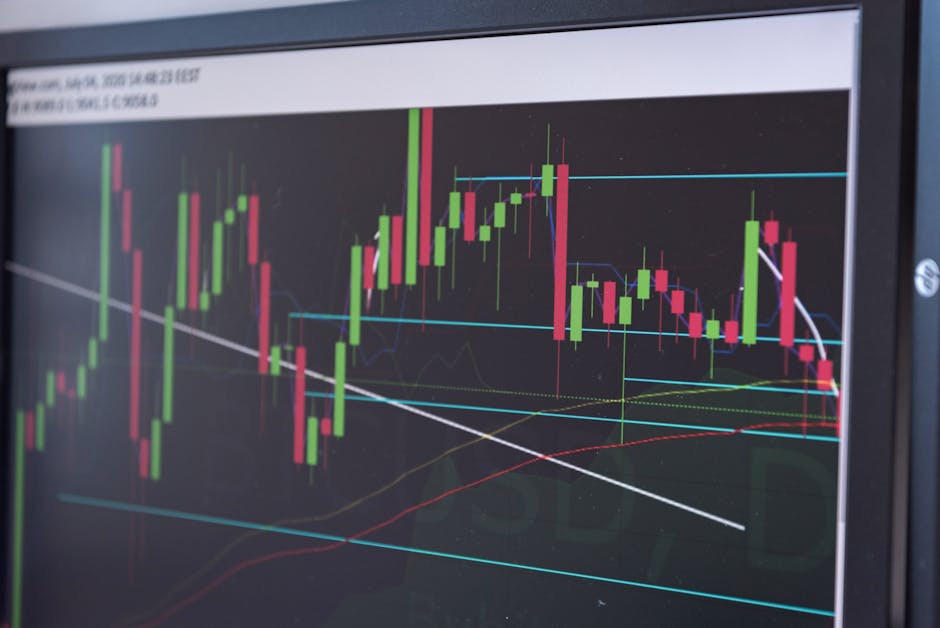
Against this backdrop, the S&P 500 and Nasdaq have also taken a beating, with the former down 1.5% and the latter off 1.8% in early trading. This is a worrying development for investors, particularly those who have been caught off guard by the recent shift in market sentiment. The sell-off in the tech-heavy Nasdaq, in particular, is a concern, as many analysts believe that the sector is overvalued and due for a correction.
Meanwhile, in the UK, the Bank of England (BoE) has been watching the developments in the global market with great interest. In a recent statement, the BoE Governor, Andrew Bailey, noted that the UK’s economic growth prospects remain “broadly in line with our previous projections”, but cautioned that the recent surge in oil prices could pose a challenge to the UK’s energy-intensive industries. Bailey’s comments highlight the concerns that are being felt across the globe, as investors and policymakers alike try to navigate the complex web of risks that are currently facing the global economy.
The Full Picture
The sell-off in global markets is being driven by a combination of factors, including the uncertainty surrounding the Iran peace talks and the recent surge in oil prices. The Iran nuclear deal, which was signed in 2015, has been on shaky ground since the US withdrew from the agreement in 2018. The current talks, which aim to revive the deal, have been ongoing for several months, but progress has been slow. The US, in particular, has been skeptical of the Iranian government’s intentions, and has threatened to impose new sanctions if the talks fail.
The recent surge in oil prices is also a major concern for investors. Oil prices have risen by over 20% in the past month alone, driven by a combination of factors, including the uncertainty surrounding the Iran peace talks and the ongoing conflict in Ukraine. This has had a significant impact on the global energy market, with many analysts predicting that oil prices could rise even further in the coming months. The sharp increase in oil prices is also having a knock-on effect on other commodity prices, including natural gas and coal.
The impact of the sell-off in global markets is being felt across the globe, with many investors scrambling to adjust their portfolios in response to the changing market conditions. The US Federal Reserve, in particular, has been watching the developments in the global market with great interest, and has warned that the recent surge in oil prices could pose a challenge to the US economy. In a recent statement, Fed Chairman Jerome Powell noted that the “global economic outlook remains uncertain” and that the Fed will “closely monitor” the developments in the global market.
Root Causes
So, what is driving the sell-off in global markets? According to Goldman Sachs analysts, the recent surge in oil prices is a major concern for investors, as it could have a significant impact on the global economy. “The sharp increase in oil prices is a classic example of how a single event can have a ripple effect on the global economy,” said a Goldman Sachs analyst. “If oil prices continue to rise, it could have a significant impact on inflation, which could, in turn, have a negative impact on economic growth.”
Meanwhile, Morgan Stanley researchers have noted that the uncertainty surrounding the Iran peace talks is also a major concern for investors. “The Iran nuclear deal has been on shaky ground for several months now, and the current talks have been ongoing for several months without any meaningful progress,” said a Morgan Stanley researcher. “This has created a significant level of uncertainty in the market, which is making investors nervous.”
Market Implications
The sell-off in global markets has had a significant impact on many asset classes, including stocks, bonds, and commodities. The S&P 500 and Nasdaq have both taken a beating, with the former down 1.5% and the latter off 1.8% in early trading. This is a worrying development for investors, particularly those who have been caught off guard by the recent shift in market sentiment.
The sell-off in the tech-heavy Nasdaq is a concern, as many analysts believe that the sector is overvalued and due for a correction. “The tech sector has been on a wild ride for several years now, and many analysts believe that it is due for a correction,” said a J.P. Morgan analyst. “The recent sell-off in the Nasdaq is a classic example of how a sector can become overvalued and then correct itself.”
How It Affects You
So, how does the sell-off in global markets affect you? For individual investors, the sell-off in global markets is a reminder of the importance of diversification. By spreading your investments across different asset classes, you can reduce your exposure to any one particular market or sector. This is particularly important in today’s volatile market environment, where a single event can have a significant impact on the global economy.
For institutional investors, the sell-off in global markets is a reminder of the importance of risk management. By having a clear understanding of the risks that are facing the global economy, you can make informed decisions about how to position your portfolio. This is particularly important in today’s market environment, where the risks are many and varied.
Sector Spotlight
The sell-off in global markets has had a significant impact on many sectors, including energy, technology, and finance. The energy sector has been particularly hard hit, with many energy companies seeing their share prices fall by 5-10% or more in early trading. This is a worrying development for investors, particularly those who have been caught off guard by the recent surge in oil prices.
The technology sector has also been impacted, with many tech companies seeing their share prices fall by 2-5% or more in early trading. This is a concern, as many analysts believe that the tech sector is overvalued and due for a correction. “The tech sector has been on a wild ride for several years now, and many analysts believe that it is due for a correction,” said a J.P. Morgan analyst.

Expert Voices
In response to the sell-off in global markets, many analysts and experts have been weighing in on the situation. “The sell-off in global markets is a reminder of the importance of risk management,” said a Goldman Sachs analyst. “By having a clear understanding of the risks that are facing the global economy, investors can make informed decisions about how to position their portfolio.”
Meanwhile, a Morgan Stanley researcher noted that the uncertainty surrounding the Iran peace talks is also a major concern for investors. “The Iran nuclear deal has been on shaky ground for several months now, and the current talks have been ongoing for several months without any meaningful progress,” said the researcher. “This has created a significant level of uncertainty in the market, which is making investors nervous.”
Key Uncertainties
So, what are the key uncertainties that are facing the global economy? According to Goldman Sachs analysts, the uncertainty surrounding the Iran peace talks is a major concern, as it could have a significant impact on oil prices and the global economy. “The Iran nuclear deal has been on shaky ground for several months now, and the current talks have been ongoing for several months without any meaningful progress,” said a Goldman Sachs analyst.
Meanwhile, Morgan Stanley researchers have noted that the recent surge in oil prices is also a major concern for investors, as it could have a significant impact on inflation and economic growth. “The sharp increase in oil prices is a classic example of how a single event can have a ripple effect on the global economy,” said a Morgan Stanley researcher.

Final Outlook
In conclusion, the sell-off in global markets is a reminder of the importance of risk management and diversification. By having a clear understanding of the risks that are facing the global economy, investors can make informed decisions about how to position their portfolio. This is particularly important in today’s volatile market environment, where a single event can have a significant impact on the global economy.
As for the Iran peace talks and the recent surge in oil prices, it remains to be seen how these developments will play out. However, one thing is clear: the global economy is facing a significant level of uncertainty, and investors will need to be prepared to adapt to changing market conditions.



