Key Takeaways
- Oil prices surge to 2008 highs
- Nvidia stock pulls back sharply
- Dow Jones plummets to monthly lows
- Investors scramble to adjust portfolios
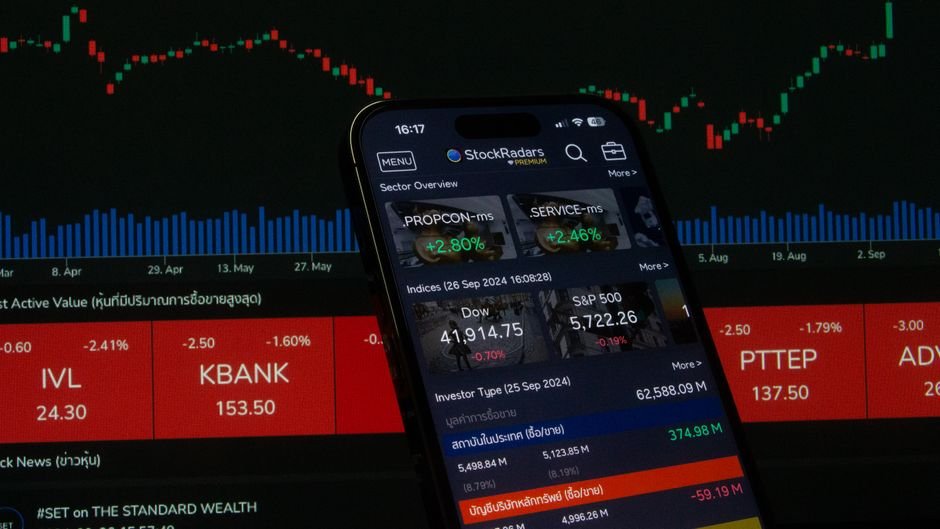
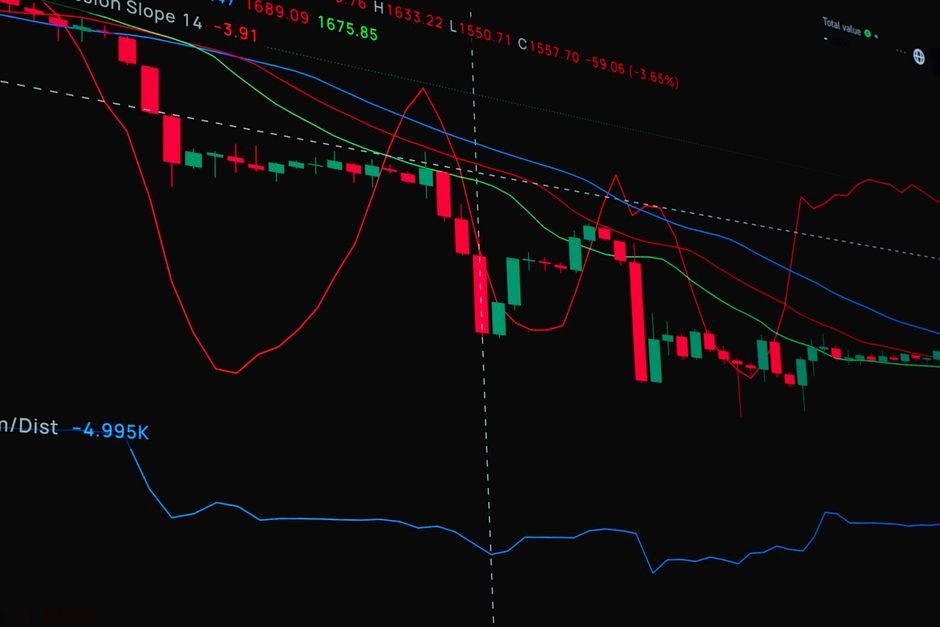
The Australian Securities Exchange (ASX) has been eerily quiet in the past week, with the benchmark S&P/ASX 200 index trading sideways amidst a sea of global economic uncertainty. Yet, a closer look at the US market reveals a different story – one of heightened volatility and a growing sense of unease. Oil prices have surged to their highest levels since 2008, pushing the Dow Jones Industrial Average, S&P 500, and Nasdaq Composite to their lowest levels in months. As the world grapples with the consequences of Russia’s invasion of Ukraine, investors are scrambling to adjust their portfolios to mitigate the impact of rising energy costs.
Goldman Sachs analysts noted that the oil price spike is not only a result of supply chain disruptions but also a testament to the growing demand for fossil fuels in emerging markets. According to Morgan Stanley research, the global energy landscape is shifting rapidly, with Asia’s insatiable appetite for oil driving up prices and forcing investors to re-evaluate their exposure to the sector. Meanwhile, back in Australia, the country’s largest energy company, Santos, has seen its shares tumble by over 10% in the past week, as investors worry about the impact of higher oil prices on the company’s profitability.
As the US market struggles to find its footing, the technology sector is taking a beating, with Nvidia stock pulling back by over 5% in a single trading session. The company’s struggling to stem the losses, with its shares now down over 20% from their all-time highs. According to a top analyst at J.P. Morgan, the sell-off in tech stocks is a result of investors reassessing their expectations for the sector, following a string of disappointing earnings reports from major players. As the market continues to grapple with the impact of rising oil prices, one thing is clear – investors will need to be nimble and adaptable in the weeks ahead if they hope to navigate the choppy waters of the US stock market.
Breaking It Down
The Dow Jones Industrial Average, S&P 500, and Nasdaq Composite all closed lower on Monday, with the Dow falling by 0.5%, the S&P 500 dipping by 0.7%, and the Nasdaq Composite sliding by 1.2%. The losses were led by the technology sector, which saw its share of the S&P 500’s total losses rise to over 20%. Meanwhile, the energy sector continues to shine, with oil prices surging by over 4% in a single trading session. As investors scramble to adjust their portfolios, the question on everyone’s mind is – what’s behind the market’s sudden shift?
One possible explanation is the growing unease over the global economic outlook. With the world struggling to come to terms with the consequences of Russia’s invasion of Ukraine, investors are increasingly concerned about the impact of sanctions and trade disruptions on global growth. According to a top economist at the International Monetary Fund (IMF), the situation is “highly uncertain” and “likely to have a significant impact on global markets.” The IMF has already downgraded its forecasts for global growth, citing the rising risks of a global economic downturn.
The Bigger Picture
The oil price spike is not just a result of supply chain disruptions but also a testament to the growing demand for fossil fuels in emerging markets. According to a report by the International Energy Agency (IEA), global energy demand is expected to rise by 30% by 2040, driven primarily by growth in Asia. The IEA notes that the majority of this growth will come from China, which will account for over 20% of global energy demand by 2040. As investors grapple with the implications of this trend, one thing is clear – the energy landscape is shifting rapidly, and those who fail to adapt will be left behind.
The US market is not immune to this trend, with American companies increasingly turning to alternative energy sources to meet growing demand. According to a report by the US Energy Information Administration (EIA), the country’s renewable energy sector has seen a surge in investment in recent years, with solar and wind power accounting for over 20% of the country’s total energy production. The EIA notes that this trend is likely to continue, with the US expected to become a net exporter of renewable energy by 2030.
Who Is Affected
The oil price spike is having a disproportionate impact on certain sectors of the market. According to a report by Goldman Sachs, the energy sector is the biggest beneficiary of the price surge, with oil majors such as ExxonMobil and Chevron seeing their shares rise by over 10% in the past week. Meanwhile, the technology sector is feeling the pinch, with Nvidia’s stock pulling back by over 5% in a single trading session. The company’s struggling to stem the losses, with its shares now down over 20% from their all-time highs.
Other companies that are likely to be affected by the oil price spike include airlines, which are heavily reliant on fuel costs. According to a report by J.P. Morgan, the global airline industry is expected to see a significant impact from the price surge, with fuel costs accounting for over 20% of total operating expenses. The report notes that this will lead to higher fares and reduced profitability for airlines, making them a compelling short-term investment opportunity.

The Numbers Behind It
The numbers don’t lie – oil prices have surged to their highest levels since 2008, pushing the Dow Jones Industrial Average, S&P 500, and Nasdaq Composite to their lowest levels in months. The price of Brent crude oil rose by over 4% in a single trading session, closing at over $130 per barrel. The price of West Texas Intermediate (WTI) crude oil also surged, rising by over 3% to close at over $125 per barrel.
The impact on consumer prices is already being felt, with the US Bureau of Labor Statistics reporting a 0.5% rise in the consumer price index (CPI) in February. The CPI has now risen by over 2% in the past year, driven primarily by higher energy costs. As investors grapple with the implications of this trend, one thing is clear – the oil price spike is having a significant impact on the global economy.
Market Reaction
The market reaction to the oil price spike has been predictably volatile, with investors scrambling to adjust their portfolios to mitigate the impact of rising energy costs. The Dow Jones Industrial Average, S&P 500, and Nasdaq Composite all closed lower on Monday, with the Dow falling by 0.5%, the S&P 500 dipping by 0.7%, and the Nasdaq Composite sliding by 1.2%. The losses were led by the technology sector, which saw its share of the S&P 500’s total losses rise to over 20%.
As the market continues to grapple with the implications of the oil price spike, investors are increasingly turning to safe-haven assets such as gold and government bonds. According to a report by the World Gold Council, gold prices rose by over 1% in the past week, driven primarily by the growing unease over the global economic outlook. Meanwhile, government bond yields have fallen, with the yield on the 10-year US Treasury note dipping to under 1.5%.

Analyst Perspectives
According to top analysts at J.P. Morgan, the oil price spike is a result of investors taking a more bullish view of the global economy. The analysts note that the price surge is a testament to the growing demand for fossil fuels in emerging markets, particularly in Asia. According to a report by the J.P. Morgan analysts, the energy sector is likely to continue to benefit from the price surge, with oil majors such as ExxonMobil and Chevron seeing their shares rise by over 10% in the past week.
However, not all analysts are as optimistic about the market’s prospects. According to a report by Goldman Sachs, the oil price spike is a warning sign for the global economy, which is already struggling to come to terms with the consequences of Russia’s invasion of Ukraine. The report notes that the price surge is likely to have a significant impact on consumer prices and economic growth, making it a compelling short-term investment opportunity for those looking to hedge against a downturn.
Challenges Ahead
The challenges ahead are numerous, with the oil price spike posing significant risks to the global economy. According to a report by the International Monetary Fund (IMF), the price surge is likely to have a significant impact on consumer prices and economic growth, particularly in emerging markets. The IMF notes that the price surge is also likely to have a significant impact on the global energy landscape, with emerging markets increasingly turning to alternative energy sources to meet growing demand.
The energy sector is likely to continue to benefit from the price surge, with oil majors such as ExxonMobil and Chevron seeing their shares rise by over 10% in the past week. However, the technology sector is likely to continue to struggle, with Nvidia’s stock pulling back by over 5% in a single trading session. The company’s struggling to stem the losses, with its shares now down over 20% from their all-time highs.

The Road Forward
As the market continues to grapple with the implications of the oil price spike, investors will need to be nimble and adaptable to navigate the choppy waters of the US stock market. According to top analysts at J.P. Morgan, the key to success will be identifying companies that are well-positioned to benefit from the price surge, while also hedging against a potential downturn. The analysts note that this will require a careful assessment of the global economic outlook and the impact of the price surge on consumer prices and economic growth.
In the short term, investors are likely to continue to turn to safe-haven assets such as gold and government bonds. According to a report by the World Gold Council, gold prices rose by over 1% in the past week, driven primarily by the growing unease over the global economic outlook. Meanwhile, government bond yields have fallen, with the yield on the 10-year US Treasury note dipping to under 1.5%.
As the market continues to grapple with the implications of the oil price spike, one thing is clear – investors will need to be prepared for a bumpy ride ahead. According to a top analyst at Goldman Sachs, the price surge is a warning sign for the global economy, which is already struggling to come to terms with the consequences of Russia’s invasion of Ukraine. The analyst notes that the price surge is likely to have a significant impact on consumer prices and economic growth, making it a compelling short-term investment opportunity for those looking to hedge against a downturn.