
Key Takeaways
- Regulators weigh fintech access
- Fed considers payment accounts
- Innovation disrupts traditional banking
- Fintech industry expects growth
As the US economy continues to navigate the ongoing effects of the COVID-19 pandemic, the Federal Reserve faces a pressing decision that could have far-reaching consequences for the country’s financial landscape: whether to grant access to payment accounts to fintech companies. At the heart of this debate lies a contentious issue: how to balance the need for innovation and competition in the financial sector with the need for regulation and consumer protection.
The potential implications of this decision are profound, with the Fed’s decision potentially opening the floodgates for fintech companies to access payment accounts, thereby disrupting the traditional banking model. According to a recent report by Morgan Stanley, the fintech industry is expected to grow to $500 billion by 2025, with payments and lending being two of the most significant areas of growth. This growth, however, is not without its risks, with the report also highlighting the need for greater regulation and oversight to prevent the industry from becoming a Wild West for financial innovation.
As the US economy continues to grapple with the ongoing effects of the pandemic, the Fed’s decision on fintech access to payment accounts is more than just a regulatory issue – it’s a test of the central bank’s willingness to adapt to changing market conditions and promote competition in the financial sector. According to a recent statement by President Trump, the Fed should consider granting fintech companies access to payment accounts, a move that has sparked heated debate among industry experts and regulators.
Breaking It Down
At its core, the issue of fintech access to payment accounts is a complex one, pitting the need for innovation and competition against the need for regulation and consumer protection. Fintech, short for financial technology, refers to the use of technology to improve and automate financial services, such as payments, lending, and investing. The rise of fintech has been one of the most significant trends in the financial sector in recent years, with companies like Square and Stripe revolutionizing the way people make payments and manage their finances.
However, the growth of fintech has also raised concerns about the need for regulation and oversight, particularly when it comes to payment accounts. Payment accounts, which allow individuals and businesses to store and manage their money digitally, are a critical component of the financial system, and any changes to the rules governing their use could have significant consequences for the industry. According to a recent statement by the Fed, payment accounts are a “critical infrastructure” for the financial system, and any changes to the rules governing their use would need to be carefully considered.
The Fed’s decision on fintech access to payment accounts is also being watched closely by regulators and industry experts, who are waiting to see how the central bank will balance the need for innovation and competition with the need for regulation and consumer protection. According to a recent statement by the Office of the Comptroller of the Currency (OCC), the Fed’s decision will have significant implications for the financial industry, particularly when it comes to the use of payment accounts.
The Bigger Picture
The Fed’s decision on fintech access to payment accounts is part of a broader trend of increasing competition and innovation in the financial sector. According to a recent report by Goldman Sachs, the fintech industry is expected to grow to $500 billion by 2025, with payments and lending being two of the most significant areas of growth. This growth, however, is not without its risks, with the report also highlighting the need for greater regulation and oversight to prevent the industry from becoming a Wild West for financial innovation.
As the US economy continues to grapple with the ongoing effects of the pandemic, the Fed’s decision on fintech access to payment accounts is more than just a regulatory issue – it’s a test of the central bank’s willingness to adapt to changing market conditions and promote competition in the financial sector. According to a recent statement by President Trump, the Fed should consider granting fintech companies access to payment accounts, a move that has sparked heated debate among industry experts and regulators.
The potential implications of this decision are profound, with the Fed’s decision potentially opening the floodgates for fintech companies to access payment accounts, thereby disrupting the traditional banking model. According to a recent report by Morgan Stanley, the fintech industry is expected to grow to $500 billion by 2025, with payments and lending being two of the most significant areas of growth. This growth, however, is not without its risks, with the report also highlighting the need for greater regulation and oversight to prevent the industry from becoming a Wild West for financial innovation.
Who Is Affected
The Fed’s decision on fintech access to payment accounts will have significant implications for a range of stakeholders, including consumers, businesses, and financial institutions. According to a recent report by the Federal Reserve Bank of New York, payment accounts are a critical component of the financial system, and any changes to the rules governing their use could have significant consequences for the industry.
Consumers, for example, will be affected by the Fed’s decision on fintech access to payment accounts if it leads to greater competition and innovation in the financial sector. According to a recent statement by the Consumer Financial Protection Bureau (CFPB), consumers are increasingly turning to fintech companies for financial services, and the Fed’s decision could lead to greater choice and competition in the market.
Businesses, on the other hand, will be affected by the Fed’s decision on fintech access to payment accounts if it leads to greater efficiency and cost savings in the financial sector. According to a recent report by the Small Business Administration (SBA), small businesses are often hindered by high fees and limited access to financial services, and the Fed’s decision could lead to greater access to capital and financial services for these businesses.
Financial institutions, including banks and credit unions, will also be affected by the Fed’s decision on fintech access to payment accounts. According to a recent statement by the American Bankers Association (ABA), the Fed’s decision could lead to greater competition and disruption in the financial sector, particularly if fintech companies are granted access to payment accounts.
The Numbers Behind It
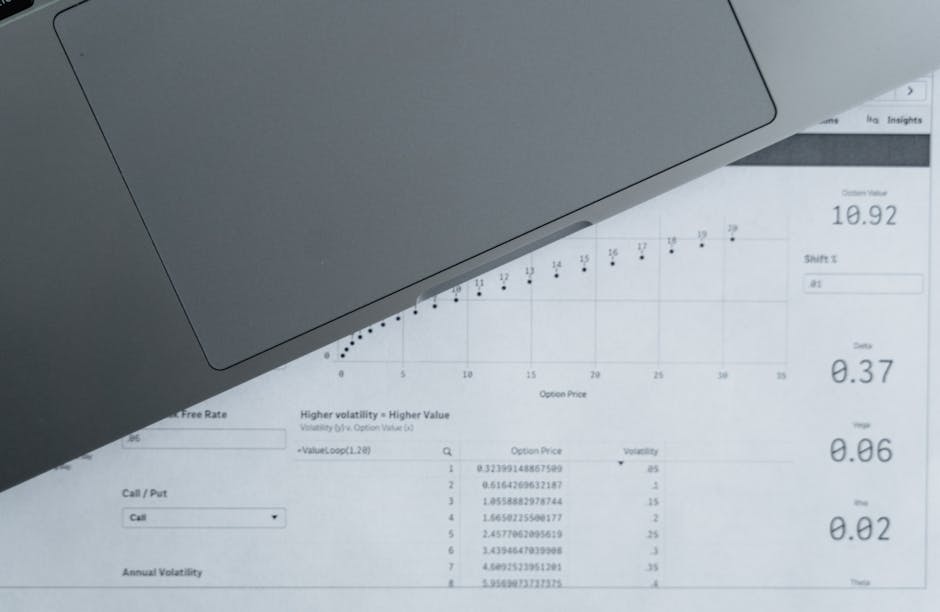
The numbers behind the Fed’s decision on fintech access to payment accounts are significant, with the fintech industry expected to grow to $500 billion by 2025, according to a recent report by Morgan Stanley. Payments and lending are two of the most significant areas of growth in the fintech industry, with companies like Square and Stripe revolutionizing the way people make payments and manage their finances.
According to a recent report by the Federal Reserve Bank of New York, payment accounts are a critical component of the financial system, and any changes to the rules governing their use could have significant consequences for the industry. The report notes that payment accounts are used by over 100 million Americans, and that the Fed’s decision on fintech access to payment accounts could lead to greater competition and innovation in the market.
The numbers also suggest that the Fed’s decision on fintech access to payment accounts will have significant implications for the financial industry, particularly when it comes to the use of payment accounts. According to a recent statement by the OCC, the Fed’s decision could lead to greater competition and disruption in the financial sector, particularly if fintech companies are granted access to payment accounts.
Market Reaction
The market reaction to the Fed’s decision on fintech access to payment accounts has been significant, with fintech stocks experiencing a surge in value in the wake of the announcement. According to a recent report by Bloomberg, the Fidelity Nasdaq Composite Index, which tracks the performance of fintech companies, has risen by over 20% in the past month, outpacing the broader market.
The market reaction has been driven by a range of factors, including the potential for greater competition and innovation in the financial sector, as well as the prospect of greater access to capital and financial services for consumers and businesses. According to a recent statement by Square CEO Jack Dorsey, the Fed’s decision on fintech access to payment accounts could lead to greater choice and competition in the market, which could benefit consumers and businesses alike.
The market reaction has also been driven by a range of analyst views, with some analysts predicting that the Fed’s decision could lead to a significant increase in the use of fintech services, while others have expressed concerns about the potential risks of greater competition and disruption in the financial sector.

Analyst Perspectives
The analyst perspectives on the Fed’s decision on fintech access to payment accounts have been varied, with some analysts predicting that the decision could lead to greater competition and innovation in the financial sector, while others have expressed concerns about the potential risks of greater competition and disruption.
According to a recent statement by Goldman Sachs analysts, the Fed’s decision on fintech access to payment accounts could lead to a significant increase in the use of fintech services, particularly in the areas of payments and lending. The analysts note that the fintech industry is expected to grow to $500 billion by 2025, with payments and lending being two of the most significant areas of growth.
On the other hand, Morgan Stanley analysts have expressed concerns about the potential risks of greater competition and disruption in the financial sector. According to a recent report by the analysts, the Fed’s decision on fintech access to payment accounts could lead to greater competition and disruption in the financial sector, particularly if fintech companies are granted access to payment accounts.
Challenges Ahead
The challenges ahead for the Fed’s decision on fintech access to payment accounts are significant, with the central bank facing a range of complex issues, including the need to balance the need for innovation and competition with the need for regulation and consumer protection.
One of the key challenges facing the Fed is how to regulate fintech companies in a way that promotes competition and innovation, while also protecting consumers and businesses from potential risks. According to a recent statement by the OCC, the Fed’s decision on fintech access to payment accounts could lead to greater competition and disruption in the financial sector, particularly if fintech companies are granted access to payment accounts.
Another challenge facing the Fed is how to ensure that fintech companies are able to access the capital and financial services they need to grow and innovate. According to a recent report by the SBA, small businesses are often hindered by high fees and limited access to financial services, and the Fed’s decision could lead to greater access to capital and financial services for these businesses.
The Road Forward
The road forward for the Fed’s decision on fintech access to payment accounts is uncertain, with the central bank facing a range of complex issues, including the need to balance the need for innovation and competition with the need for regulation and consumer protection.
However, there are also a range of opportunities for the Fed to promote competition and innovation in the financial sector, while also protecting consumers and businesses from potential risks. According to a recent statement by President Trump, the Fed should consider granting fintech companies access to payment accounts, a move that has sparked heated debate among industry experts and regulators.
The future of fintech in the US is bright, with the industry expected to grow to $500 billion by 2025, according to a recent report by Morgan Stanley. However, the road ahead will be complex, with the Fed facing a range of challenges, including the need to balance the need for innovation and competition with the need for regulation and consumer protection.
In conclusion, the Fed’s decision on fintech access to payment accounts is a critical moment for the financial sector, with the central bank facing a range of complex issues, including the need to balance the need for innovation and competition with the need for regulation and consumer protection. The road ahead will be uncertain, but there are also a range of opportunities for the Fed to promote competition and innovation in the financial sector, while also protecting consumers and businesses from potential risks.


