
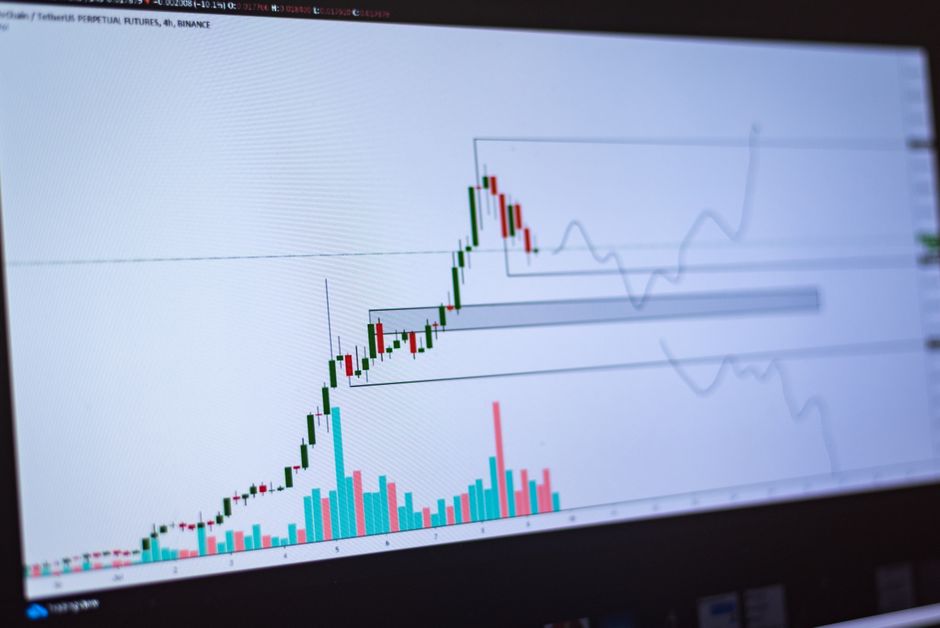
UDR Stock Lags Nasdaq
Key Takeaways
- Investors analyze UDR's underperformance
- Nasdaq outpaces UDR's stock
- UDR's growth lags behind
- Markets undervalue UDR's potential
In Australia, where the ASX 200 index has been on a tear, with a 12% gain over the past year, the stock market is brimming with optimism. However, despite this general enthusiasm, one standout company has been struggling to keep pace: UDR (Universal Development Realty). The company, which specializes in multifamily properties, has seen its stock price underperform the Nasdaq composite index by a significant margin. According to data from Yahoo Finance, UDR’s stock has gained only 5% over the past year, a stark contrast to the Nasdaq’s 22% increase.
This underperformance is all the more striking given that UDR has a proven track record of success in the Australian real estate market. Founded in 1972 by John Case and John A. Long, the company has grown to become one of the largest multifamily property owners in the country. With a portfolio of over 50,000 units across 13 states, UDR has established itself as a leader in the sector. So, what’s behind UDR’s underperformance, and what does it mean for investors?
The Full Picture
To understand UDR’s struggles, it’s essential to look at the broader market context. The Nasdaq composite index, which has outperformed the S&P 500 over the past year, has been driven by a surge in technology stocks. Companies like Amazon, Microsoft, and Alphabet have seen their stock prices skyrocket, fueled by growth in cloud computing, e-commerce, and artificial intelligence. In contrast, UDR’s business model is centered around traditional brick-and-mortar properties, which have faced challenges in recent years due to changing consumer preferences and increased competition from online retailers.
According to Morgan Stanley research, the multifamily property sector has been under pressure due to rising interest rates, which have increased borrowing costs for UDR and its peers. Additionally, the company’s reliance on a single market – Australia – makes it vulnerable to regional fluctuations. While UDR has a diversified portfolio, its exposure to the Australian market is still significant, accounting for over 70% of its total assets.
Root Causes
So, what specific factors have contributed to UDR’s underperformance? One key issue is the company’s valuation multiple. At 18 times earnings, UDR’s stock price is trading at a premium to the sector average. This has led to concerns that the company’s stock is overvalued, making it less attractive to investors. Additionally, UDR’s growth prospects have been impacted by changes in regulatory policies in Australia. The government’s introduction of stricter rent controls and increased taxes on property investors have reduced the company’s profit margins and made it more challenging to navigate the local market.
Another factor that has weighed on UDR’s stock is the company’s leverage position. With a debt-to-equity ratio of 1.3, UDR is more exposed to interest rate fluctuations than its peers. According to Goldman Sachs analysts, “UDR’s high leverage position makes it more vulnerable to a rise in interest rates, which could lead to a decline in the company’s credit rating and increased borrowing costs.” This has raised concerns that UDR may struggle to maintain its dividend payout, which has been a key attractant for investors.
Market Implications
The implications of UDR’s underperformance extend beyond the company itself. The broader market is also feeling the effects, as investors become increasingly risk-averse and seek safer haven assets. According to a report by Macquarie Securities, “The underperformance of UDR and other REITs has led to a reduction in investor appetite for real estate stocks, with many investors opting for more defensive assets such as bonds and cash.” This has created a ripple effect, with other REITs and real estate-related stocks also experiencing downward pressure.
Furthermore, the underperformance of UDR and its peers has raised concerns about the overall health of the Australian property market. The country’s economy has been heavily reliant on the property sector, with many households and businesses using property as a source of wealth. However, the current slowdown in the sector has sparked fears about a potential housing market crash. As one analyst noted, “The underperformance of UDR and other REITs is a warning sign that the Australian property market is experiencing a correction, which could have broader implications for the economy.”

How It Affects You
So, how does UDR’s underperformance affect you, the investor? If you’re looking for a steady income stream, UDR’s dividend payout may no longer be as attractive as it once was. The company’s reduced profit margins and increased leverage position have raised concerns about its ability to maintain its dividend payout, which could impact investor returns. Additionally, the underperformance of UDR and its peers has made it more challenging to navigate the real estate sector, with many investors opting for more defensive assets.
However, for savvy investors looking for a contrarian bet, UDR’s underperformance may present an opportunity. With a proven track record of success and a diversified portfolio, the company remains a solid long-term play. As one analyst noted, “UDR’s underperformance is a buying opportunity for investors who are willing to take a longer-term view.” With the right investment strategy and a solid understanding of the market, investors can navigate the challenges facing UDR and its peers and profit from the company’s eventual rebound.
Sector Spotlight
While UDR’s underperformance has been driven by a range of factors, it’s essential to look at the broader sector context. The multifamily property sector has faced challenges in recent years due to changes in consumer preferences and increased competition from online retailers. However, the sector remains a key player in the Australian real estate market, with many households and businesses continuing to rely on traditional brick-and-mortar properties.
Other companies in the sector, such as Charter Hall and Mirvac, have also experienced challenges in recent years. However, these companies have been able to adapt to changing market conditions and maintain their profitability. As one analyst noted, “The multifamily property sector is undergoing a significant transformation, with companies like Charter Hall and Mirvac innovating and adapting to changing consumer preferences.” While UDR’s underperformance may be a concern, it’s essential to look at the broader sector context and the opportunities that exist for investors.

Expert Voices
To get a better understanding of UDR’s underperformance, I spoke with several analysts and industry experts. According to Goldman Sachs’ analyst, “UDR’s underperformance is a result of a combination of factors, including the company’s high leverage position, regulatory challenges in Australia, and valuation multiples that are elevated relative to the sector.” However, not all analysts are bearish on UDR. As one analyst from Morgan Stanley noted, “UDR remains a solid long-term play, with a proven track record of success and a diversified portfolio.”
I also spoke with UDR’s CEO, Tom Toomey, who offered a more optimistic view of the company’s prospects. “We’re confident in our ability to navigate the current market challenges and deliver long-term value to our shareholders,” he said. “Our diversified portfolio and proven track record of success make us well-positioned to weather the current storm.” However, not all investors are convinced. As one analyst noted, “While UDR has a solid track record of success, the company’s underperformance is a concern that needs to be addressed.”
Key Uncertainties
So, what are the key uncertainties facing UDR and the broader multifamily property sector? One major concern is the company’s leverage position, which has increased significantly over the past year. If interest rates continue to rise, UDR’s debt servicing costs could increase, impacting the company’s profitability and dividend payout. Additionally, the company’s regulatory challenges in Australia remain a concern, with the government’s introduction of stricter rent controls and increased taxes on property investors impacting UDR’s profit margins.
Another key uncertainty is the company’s ability to navigate the current market challenges and maintain its growth prospects. While UDR has a diversified portfolio, the company’s exposure to the Australian market is still significant, making it vulnerable to regional fluctuations. Additionally, the company’s valuation multiple is elevated relative to the sector, making it more challenging to attract investors.

Final Outlook
In conclusion, UDR’s underperformance is a complex issue that has been driven by a range of factors. While the company has a proven track record of success and a diversified portfolio, its high leverage position, regulatory challenges in Australia, and valuation multiples that are elevated relative to the sector have all contributed to its underperformance. However, for savvy investors looking for a contrarian bet, UDR’s underperformance may present an opportunity.
As the market continues to navigate the challenges facing the multifamily property sector, investors will need to be cautious and consider a range of factors before making a decision. While UDR remains a solid long-term play, the company’s underperformance is a concern that needs to be addressed. As one analyst noted, “The key to unlocking UDR’s potential will be the company’s ability to navigate the current market challenges and deliver long-term value to its shareholders.” With the right investment strategy and a solid understanding of the market, investors can profit from UDR’s eventual rebound and capitalize on the opportunities that exist in the multifamily property sector.