Key Takeaways
- Analysts predict gasoline prices falling
- OPEC+ cartel constrains global supply
- Refineries maximize US oil production
- EIA reports decreasing demand trends
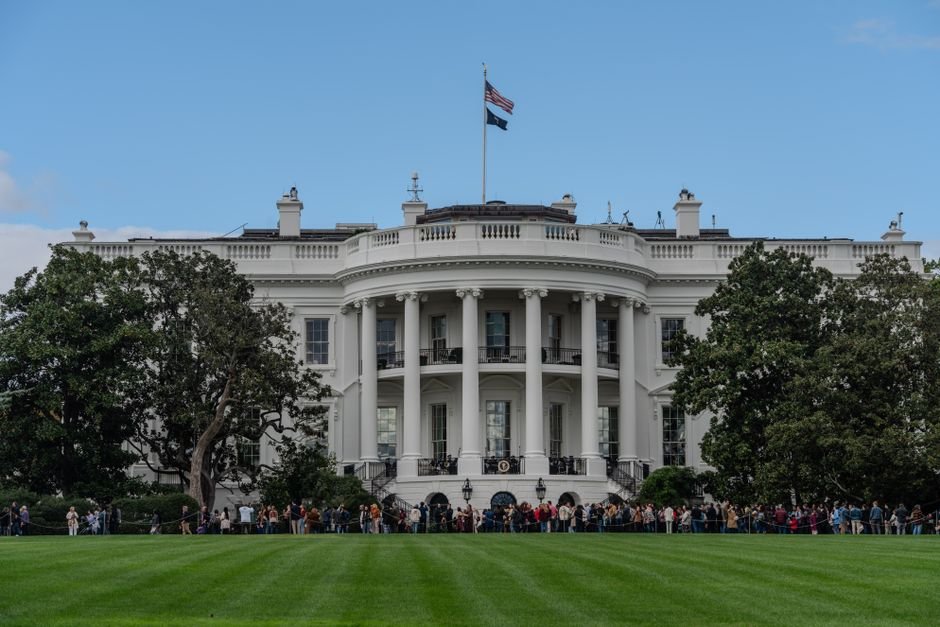
The United States boasts some of the most extensive oil refining capacity in the world, yet its gasoline prices remain stubbornly high. As of recent data, the average price of a gallon of regular gasoline in the US stood at $4.32. This is a staggering 15% higher than the global average of $3.74 per gallon. Such a significant disparity has been a major talking point in Washington, with the White House eager to attribute it to factors other than domestic production levels.
One key factor that has been cited by the Biden administration is the OPEC+ cartel’s refusal to increase oil production. The cartel, which comprises major oil-producing countries, has been blamed for perpetuating global supply constraints. According to a report by the Energy Information Administration (EIA), the US has been relying increasingly on imports from countries outside the OPEC+ cartel, such as Mexico and Canada. However, these imports have not been enough to offset the shortage, leading to higher prices.
The US market has also seen a rise in the use of gasoline blending components, such as ethanol and biodiesel, which are used to meet federal renewable fuel standards. These components can add up to 10 cents per gallon to the final price of gasoline, contributing to the rising costs. Furthermore, the ongoing war in Ukraine has led to a sharp increase in crude oil prices, which in turn has driven up gasoline costs. With the US economy still reeling from the impact of the COVID-19 pandemic, the rising cost of gasoline has been a major concern for consumers and policymakers alike.
Breaking It Down
The White House has been optimistic about the prospects for falling gasoline prices, citing a combination of factors. Supply chain disruptions have been a major contributor to the shortage, with refinery capacity constraints and logistical bottlenecks limiting the flow of gasoline to the market. The Biden administration has also pointed to the ongoing efforts to boost domestic production of oil and natural gas, which is expected to lead to increased supply and lower prices.
However, not everyone is convinced that the White House’s optimism is justified. Goldman Sachs analysts have noted that the market is still grappling with the effects of the COVID-19 pandemic, which has led to a significant decline in demand for gasoline. According to a report by Goldman Sachs, the global demand for gasoline is expected to remain subdued for the remainder of the year, which could prolong the shortage.
The market has also been impacted by the ongoing trade tensions between the US and China, which have led to a reduction in crude oil imports from the Asian country. The Chinese government has been imposing strict controls on crude oil exports, which has limited the supply of oil to the US market. As a result, the US has been forced to rely increasingly on imports from other countries, which has driven up costs.
The Bigger Picture
The ongoing shortage of gasoline has been a major concern for the US economy, which has been struggling to recover from the impact of the COVID-19 pandemic. The rising cost of gasoline has been a major contributor to the decline in consumer spending, which has had a ripple effect throughout the economy. The shortage has also had a significant impact on the US transportation sector, which has seen a sharp decline in air travel and road transportation.
The ongoing trade tensions between the US and China have also had a major impact on the market. The Chinese government’s strict controls on crude oil exports have limited the supply of oil to the US market, driving up costs. The trade tensions have also led to a reduction in US exports of refined products, such as gasoline and diesel fuel.
The US market has also seen a rise in the use of alternative fuels, such as ethanol and biodiesel, which are used to meet federal renewable fuel standards. These fuels can add up to 10 cents per gallon to the final price of gasoline, contributing to the rising costs. The ongoing efforts to boost domestic production of oil and natural gas have also led to an increase in the use of these fuels.
Who Is Affected
The ongoing shortage of gasoline has had a significant impact on retailers, such as gas stations and convenience stores, which have seen a sharp decline in sales. The shortage has also had a major impact on consumers, who have been forced to pay higher prices for gasoline. The shortage has also had a significant impact on the transportation sector, which has seen a sharp decline in air travel and road transportation.
The shortage has also had a major impact on small businesses, which have been forced to adjust their operations to cope with the higher prices. Many small businesses have been forced to reduce their operations or even close down due to the lack of access to affordable gasoline. The shortage has also had a significant impact on local communities, which have been affected by the decline in consumer spending and the rise in prices.

The Numbers Behind It
According to a report by the EIA, the US gasoline market has seen a significant decline in supply over the past year. The report noted that the US gasoline market has been impacted by a combination of factors, including refinery capacity constraints and logistical bottlenecks. The report also noted that the ongoing trade tensions between the US and China have led to a reduction in crude oil imports from the Asian country.
The EIA report also noted that the US gasoline market has seen a significant increase in the use of alternative fuels, such as ethanol and biodiesel. The report noted that these fuels can add up to 10 cents per gallon to the final price of gasoline, contributing to the rising costs. The report also noted that the ongoing efforts to boost domestic production of oil and natural gas have led to an increase in the use of these fuels.
Market Reaction
The ongoing shortage of gasoline has had a significant impact on the market, leading to a sharp increase in prices. The shortage has also led to a decline in trading volumes on the New York Mercantile Exchange (NYMEX), which is the primary exchange for crude oil and refined products. The shortage has also led to a rise in the use of short selling, a strategy in which investors sell securities they do not own in the hopes of buying them back later at a lower price.
The shortage has also had a significant impact on oil prices, which have seen a sharp increase in recent months. The ongoing trade tensions between the US and China have also led to a reduction in crude oil imports from the Asian country, driving up prices. The shortage has also led to a rise in the use of hedge funds, which have become increasingly active in the market.

Analyst Perspectives
Goldman Sachs analysts have noted that the market is still grappling with the effects of the COVID-19 pandemic, which has led to a significant decline in demand for gasoline. According to a report by Goldman Sachs, the global demand for gasoline is expected to remain subdued for the remainder of the year, which could prolong the shortage. The report also noted that the ongoing trade tensions between the US and China have led to a reduction in crude oil imports from the Asian country, driving up costs.
Morgan Stanley analysts have also noted that the market is still grappling with the effects of the COVID-19 pandemic. According to a report by Morgan Stanley, the ongoing shortage of gasoline has led to a significant increase in prices, which could have a major impact on the US economy. The report also noted that the ongoing trade tensions between the US and China have led to a reduction in crude oil imports from the Asian country, driving up costs.
Challenges Ahead
The ongoing shortage of gasoline has presented a number of challenges for the US market. One of the major challenges is the ongoing refinery capacity constraints, which have limited the flow of gasoline to the market. The shortage has also highlighted the need for investments in refining capacity, which is expected to lead to increased supply and lower prices.
Another major challenge is the ongoing trade tensions between the US and China, which have led to a reduction in crude oil imports from the Asian country. The trade tensions have also led to a rise in the use of short selling, a strategy in which investors sell securities they do not own in the hopes of buying them back later at a lower price. The shortage has also highlighted the need for increased flexibility in the market, which is expected to lead to increased supply and lower prices.

The Road Forward
The ongoing shortage of gasoline has highlighted the need for increased investment in refining capacity, which is expected to lead to increased supply and lower prices. The shortage has also highlighted the need for investments in infrastructure, which is expected to lead to increased flexibility in the market. The shortage has also highlighted the need for greater cooperation between the US and other countries, which is expected to lead to increased supply and lower prices.
The ongoing shortage of gasoline has also highlighted the need for increased transparency in the market, which is expected to lead to increased supply and lower prices. The shortage has also highlighted the need for investments in alternative fuels, which are expected to lead to increased supply and lower prices. The shortage has also highlighted the need for increased flexibility in the market, which is expected to lead to increased supply and lower prices.