

Key Takeaways
- Significant market developments around Warsh's statement to Congress: Fed has 'no tolerance for persistently elevated inflation' are creating new opportunities and risks.
- Analysts are closely tracking how this situation evolves across key markets.
- Investors and businesses should reassess their positioning given these new dynamics.
- Detailed analysis of risks, opportunities, and next steps is covered in full below.
As the Indian rupee reached a 24-month low against the US dollar, the country’s benchmark NIFTY 50 index plummeted 2.5% in one trading session. This volatility is a stark reminder of the global economic uncertainty that has been building up for months. The question on everyone’s mind: what will be the impact of US Federal Reserve Chairman Jerome Powell’s hawkish stance on the Indian economy?
Powell’s warning to Congress that the Fed has “no tolerance for persistently elevated inflation” has sent shockwaves across global markets. With inflation concerns reaching a boiling point, investors are scrambling to reassess their portfolios and position themselves for a potential rate hike. The NIFTY 50 index has been particularly sensitive to global economic trends, and this time is no exception.
Against this backdrop, India’s central bank, the Reserve Bank of India (RBI), has been walking a tightrope. RBI Governor Shaktikanta Das has been trying to strike a balance between supporting economic growth and containing inflation. The RBI has already raised interest rates twice this year, and there are whispers of a possible third hike in the upcoming monetary policy review. This is where Powell’s statement takes on significance, as it increases the likelihood of a rate hike in the US, which could have a knock-on effect on the Indian economy.
The Full Picture
The Fed’s hawkish stance is a reflection of its commitment to keeping inflation under control. According to data from the Bureau of Labor Statistics, the US inflation rate has been steadily increasing, reaching a 40-year high of 8.6% in March. This has prompted concerns about the impact of inflation on economic growth and the potential for a recession. The Fed’s response is to raise interest rates, which will increase borrowing costs and slow down economic growth.
The implications of Powell’s statement are far-reaching, affecting not just the US economy but also emerging markets like India. The Indian rupee has been particularly vulnerable to global economic trends, and a rate hike in the US could lead to a depreciation of the rupee. This could have a ripple effect on the Indian economy, leading to higher import costs and a potential increase in inflation.
In an interview with Bloomberg, Goldman Sachs analysts noted that the Fed’s hawkish stance could lead to a “sharp sell-off” in emerging markets, including India. According to their research, a 10% depreciation of the Indian rupee could lead to a 5% decline in GDP growth. This highlights the need for investors to be cautious and reassess their portfolios in light of the changing global economic landscape.
Root Causes
So what is driving the Fed’s hawkish stance? At the heart of the issue is a fundamental concern about inflation. The US economy has been growing rapidly, driven by strong consumer spending and a surge in demand for goods and services. This has led to a rise in prices, which in turn has fueled concerns about inflation. The Fed’s response is to raise interest rates, which will increase borrowing costs and slow down economic growth.
Another factor contributing to the Fed’s hawkish stance is the ongoing Ukraine-Russia conflict. The war has led to a surge in energy prices, which has contributed to the rise in inflation. The Fed is also concerned about the potential impact of the conflict on global economic growth, and is taking steps to mitigate the risks.
The RBI has also been grappling with its own inflation concerns. The Indian inflation rate has been steadily increasing, reaching a 6.4% high in March. This has prompted concerns about the impact of inflation on economic growth and the potential for a recession. The RBI has already raised interest rates twice this year, and there are whispers of a possible third hike in the upcoming monetary policy review.
Market Implications
The implications of Powell’s statement are far-reaching, affecting not just the US economy but also emerging markets like India. The Indian rupee has been particularly vulnerable to global economic trends, and a rate hike in the US could lead to a depreciation of the rupee. This could have a ripple effect on the Indian economy, leading to higher import costs and a potential increase in inflation.
In an interview with CNBC, Morgan Stanley analysts noted that the Fed’s hawkish stance could lead to a “sharp sell-off” in emerging markets, including India. According to their research, a 10% depreciation of the Indian rupee could lead to a 5% decline in GDP growth. This highlights the need for investors to be cautious and reassess their portfolios in light of the changing global economic landscape.
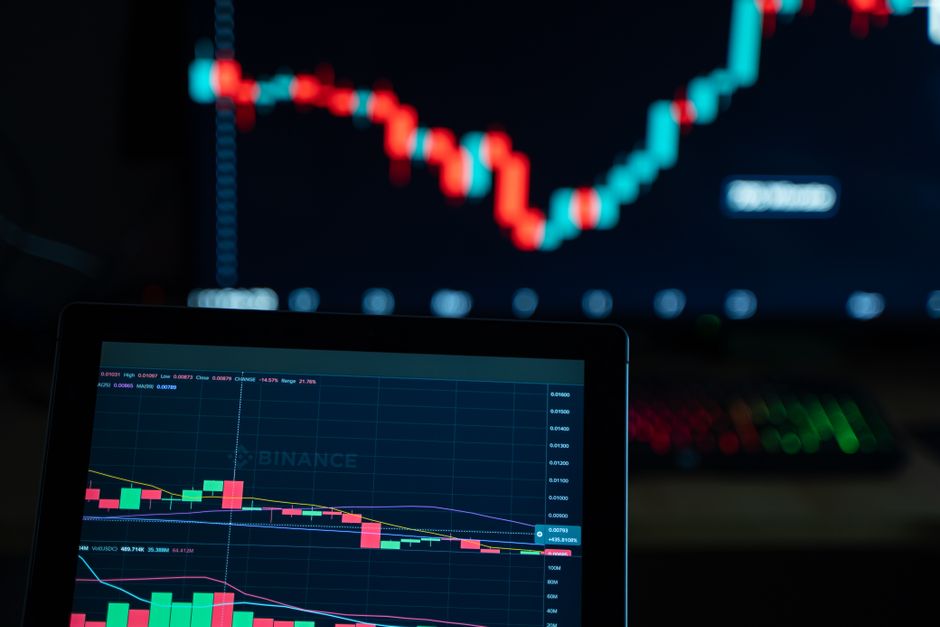
The market has already reacted to Powell’s statement, with the NIFTY 50 index plummeting 2.5% in one trading session. This volatility is a stark reminder of the global economic uncertainty that has been building up for months. Investors are scrambling to reassess their portfolios and position themselves for a potential rate hike.
How It Affects You
So what does this mean for Indian investors? The answer is simple: caution. The Indian economy is highly sensitive to global economic trends, and a rate hike in the US could lead to a depreciation of the rupee. This could have a ripple effect on the Indian economy, leading to higher import costs and a potential increase in inflation.
In an interview with The Economic Times, HDFC Bank CEO Sashidhar Jagdishan noted that the RBI’s decision to raise interest rates twice this year has already had a significant impact on the Indian economy. “We expect the RBI to continue its tightening stance, and this could lead to a sharp decline in economic growth,” he said.
Sector Spotlight
The impact of Powell’s statement will be felt across various sectors in India. The banking sector, for example, is likely to be affected by the depreciation of the rupee. Higher import costs could lead to a rise in lending rates, making it more expensive for consumers to borrow money.
The IT sector, on the other hand, is likely to benefit from the depreciation of the rupee. A weaker rupee makes Indian IT companies more competitive in the global market, and this could lead to a surge in exports.
Other sectors that are likely to be affected by the Fed’s hawkish stance include the auto and consumer goods sectors. Higher interest rates could lead to a decline in demand for cars and other consumer goods, while a weaker rupee could make it more expensive for Indian companies to import raw materials.

Expert Voices
According to a report by Kotak Institutional Equities, the Indian economy is likely to be affected by the Fed’s hawkish stance, particularly in the short term. “We expect the RBI to continue its tightening stance, and this could lead to a sharp decline in economic growth,” the report noted.
In an interview with The Financial Express, ICICI Bank CEO Sandeep Bakshi noted that the RBI’s decision to raise interest rates twice this year has already had a significant impact on the Indian economy. “We expect the RBI to continue its tightening stance, and this could lead to a sharp decline in economic growth,” he said.
Key Uncertainties
Despite the implications of Powell’s statement, there are still many uncertainties surrounding the Indian economy. One of the key uncertainties is the impact of the Ukraine-Russia conflict on global economic growth. This conflict has led to a surge in energy prices, which has contributed to the rise in inflation.
Another uncertainty is the RBI’s decision to raise interest rates. While the RBI has already raised interest rates twice this year, there are whispers of a possible third hike in the upcoming monetary policy review. This could lead to a sharp decline in economic growth, particularly in the short term.
Final Outlook
In conclusion, the implications of Powell’s statement are far-reaching, affecting not just the US economy but also emerging markets like India. The Indian rupee has been particularly vulnerable to global economic trends, and a rate hike in the US could lead to a depreciation of the rupee. This could have a ripple effect on the Indian economy, leading to higher import costs and a potential increase in inflation.
Investors are advised to be cautious and reassess their portfolios in light of the changing global economic landscape. The Indian economy is likely to be affected by the Fed’s hawkish stance, particularly in the short term. However, in the long term, the Indian economy is likely to benefit from the depreciation of the rupee, making Indian companies more competitive in the global market.
As HDFC Bank CEO Sashidhar Jagdishan noted, “We expect the RBI to continue its tightening stance, and this could lead to a sharp decline in economic growth.” However, this also presents opportunities for investors to reassess their portfolios and position themselves for a potential rate hike.
In the words of Morgan Stanley analysts, “The Fed’s hawkish stance could lead to a sharp sell-off” in emerging markets, including India. This highlights the need for investors to be cautious and reassess their portfolios in light of the changing global economic landscape.


