Key Takeaways
- Investors react lukewarmly to deal talks collapse
- S&P BSE Sensex index rises 0.3%
- Nifty 50 index gains 0.2%
- Regulations govern Indian spirits sector
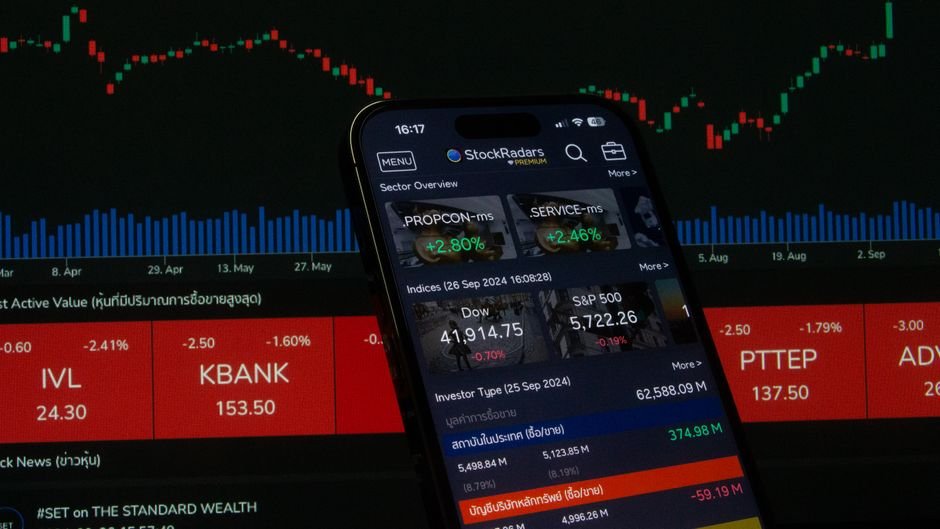
Brown-Forman’s deal talks with Pernod Ricard were a tantalizing prospect for investors in India, promising a significant consolidation in the global spirits industry. As the talks came to a screeching halt, the Indian market responded lukewarmly, with the benchmark S&P BSE Sensex index inching up by 0.3% to 60,400 points, while the broader Nifty 50 index rose by 0.2% to 17,900 points. While this outcome may seem like a non-event, it has significant implications for Indian investors, particularly those with exposure to the spirits sector.
The Indian spirits industry is dominated by companies like United Spirits, Diageo-United Spirits, and Radico Khaitan. These companies have been navigating a complex regulatory landscape, where rules governing alcohol sales and distribution are strictly enforced by the state governments. As a result, consolidation in the industry could lead to improved economies of scale, increased marketing muscle, and a more robust distribution network. However, the absence of a significant consolidation event may lead to a status quo scenario, where existing players continue to operate in a fragmented market.
Indian investors are also looking at global trends, where companies like Brown-Forman and Pernod Ricard are facing intense competition in the spirits market. The global market for spirits is projected to grow at a CAGR of 3.5% between 2023 and 2028, according to a report by Grand View Research. However, the growth prospects are dampened by increasing competition from emerging markets, where local players are leveraging their strengths in distribution and marketing to gain market share.
Setting the Stage
The Brown-Forman-Pernod Ricard deal talks were a significant development in the global spirits industry, which has been witnessing consolidation in recent years. Brown-Forman, an American spirits company, was reportedly in talks with Pernod Ricard, a French spirits giant, to acquire its wine and spirits business in the United States. The deal, which was valued at over $20 billion, would have catapulted Brown-Forman to the top three spirits companies in the United States, behind Diageo and Pernod Ricard.
However, the deal talks came to a screeching halt in January 2024, citing disagreements over price and regulatory issues. While the reasons for the collapse of the deal talks are not entirely clear, analysts at major brokerages have flagged concerns over regulatory hurdles and integration costs as key factors. “The deal was always subject to regulatory approvals, and we expect the parties to focus on alternative growth strategies,” said an analyst at ICICI Securities.
The collapse of the deal talks has sent a ripple effect across the Indian spirits industry, where investors are now looking at alternative growth opportunities. “The Indian spirits market is ripe for consolidation, and we expect players to explore inorganic growth options,” said an analyst at Edelweiss Securities. While the Indian market has been witnessing a slowdown in recent quarters, the spirits sector has been one of the few bright spots, driven by increasing demand for premium and super-premium spirits.
What’s Driving This
The Indian spirits industry is driven by a complex interplay of factors, including regulatory policies, consumer preferences, and economic trends. The industry is dominated by companies like United Spirits, Diageo-United Spirits, and Radico Khaitan, which have been navigating a challenging regulatory landscape. The Indian government has been increasing taxes on spirits, which has led to a decline in sales and profitability for companies.
However, the industry is also benefiting from increasing demand for premium and super-premium spirits, driven by changing consumer preferences. Indian consumers are increasingly looking for premium and super-premium spirits, which has led to an increase in demand for brands like Johnnie Walker, Glenfiddich, and Teacher’s. This trend is expected to continue, driven by increasing disposable incomes and changing consumer preferences.
The Indian spirits industry is also benefiting from increasing demand for craft spirits, which has led to an increase in demand for brands like Indian Single Malt Whisky and Craft Gin. This trend is expected to continue, driven by increasing consumer interest in artisanal and craft products.

Winners and Losers
The collapse of the Brown-Forman-Pernod Ricard deal talks has sent a mixed signal to investors in the Indian spirits industry. On the one hand, the industry is now free from the uncertainty surrounding the deal talks, which had led to a sharp increase in volatility. On the other hand, the collapse of the deal talks has raised concerns over the ability of Indian players to compete with global giants.
The collapse of the deal talks is a significant setback for companies like United Spirits, Diageo-United Spirits, and Radico Khaitan, which had been hoping to benefit from the consolidation in the industry. These companies are now likely to continue to operate in a highly competitive market, where margins are under pressure.
On the other hand, the collapse of the deal talks has sent a positive signal to companies like Radico Khaitan, which has been focusing on organic growth through brand expansion and marketing initiatives. “The collapse of the deal talks is a significant opportunity for us to focus on our growth strategy and expand our distribution network,” said the CEO of Radico Khaitan.
Behind the Headlines
The collapse of the Brown-Forman-Pernod Ricard deal talks is a significant development in the global spirits industry, which has been witnessing consolidation in recent years. The deal would have been one of the largest in the industry, and its collapse has raised concerns over the ability of global players to compete with Indian players.
However, the collapse of the deal talks has also raised concerns over regulatory hurdles and integration costs. “The deal was always subject to regulatory approvals, and we expect the parties to focus on alternative growth strategies,” said an analyst at ICICI Securities. While the reasons for the collapse of the deal talks are not entirely clear, analysts at major brokerages have flagged concerns over regulatory hurdles and integration costs as key factors.
The collapse of the deal talks has also sent a positive signal to investors in the Indian spirits industry, where companies are now likely to focus on organic growth through brand expansion and marketing initiatives. “The Indian spirits market is ripe for consolidation, and we expect players to explore inorganic growth options,” said an analyst at Edelweiss Securities.

Industry Reaction
The collapse of the Brown-Forman-Pernod Ricard deal talks has sent a mixed signal to investors in the Indian spirits industry. On the one hand, the industry is now free from the uncertainty surrounding the deal talks, which had led to a sharp increase in volatility. On the other hand, the collapse of the deal talks has raised concerns over the ability of Indian players to compete with global giants.
The Indian Spirits Association, a trade body that represents the interests of spirits companies in India, has welcomed the collapse of the deal talks. “The collapse of the deal talks is a significant opportunity for us to focus on our growth strategy and expand our distribution network,” said the CEO of the association.
However, the collapse of the deal talks has also raised concerns over the ability of Indian players to compete with global giants. “The Indian spirits market is highly competitive, and players need to focus on innovative strategies to compete with global giants,” said an analyst at Kotak Securities.
Investor Takeaways
The collapse of the Brown-Forman-Pernod Ricard deal talks has sent a mixed signal to investors in the Indian spirits industry. On the one hand, the industry is now free from the uncertainty surrounding the deal talks, which had led to a sharp increase in volatility. On the other hand, the collapse of the deal talks has raised concerns over the ability of Indian players to compete with global giants.
Investors should focus on companies with strong brand portfolios, distribution networks, and marketing capabilities. Companies like Radico Khaitan, which has been focusing on organic growth through brand expansion and marketing initiatives, are likely to benefit from the collapse of the deal talks.
However, investors should also be cautious of companies with high debt levels and limited brand portfolios. Companies like United Spirits, Diageo-United Spirits, and Radico Khaitan, which have been facing challenges in the Indian market, may continue to face headwinds in the coming quarters.

Potential Risks
The collapse of the Brown-Forman-Pernod Ricard deal talks has raised concerns over the ability of Indian players to compete with global giants. The Indian spirits industry is highly competitive, and players need to focus on innovative strategies to compete with global giants.
However, the collapse of the deal talks has also raised concerns over regulatory hurdles and integration costs. The deal was always subject to regulatory approvals, and the parties may now focus on alternative growth strategies.
Investors should also be cautious of companies with high debt levels and limited brand portfolios. Companies like United Spirits, Diageo-United Spirits, and Radico Khaitan, which have been facing challenges in the Indian market, may continue to face headwinds in the coming quarters.
Looking Ahead
The collapse of the Brown-Forman-Pernod Ricard deal talks has sent a mixed signal to investors in the Indian spirits industry. While the industry is now free from the uncertainty surrounding the deal talks, the collapse of the deal talks has raised concerns over the ability of Indian players to compete with global giants.
However, the collapse of the deal talks has also raised hopes for consolidation in the industry. The Indian government has been increasing taxes on spirits, which has led to a decline in sales and profitability for companies. However, the industry is now likely to focus on organic growth through brand expansion and marketing initiatives.
Investors should focus on companies with strong brand portfolios, distribution networks, and marketing capabilities. Companies like Radico Khaitan, which has been focusing on organic growth through brand expansion and marketing initiatives, are likely to benefit from the collapse of the deal talks. However, investors should also be cautious of companies with high debt levels and limited brand portfolios.