Key Takeaways
- Futures signal mixed market
- PPI reveals 0.3% increase
- Inflation data sparks anxiety
- Investors reassess economic growth
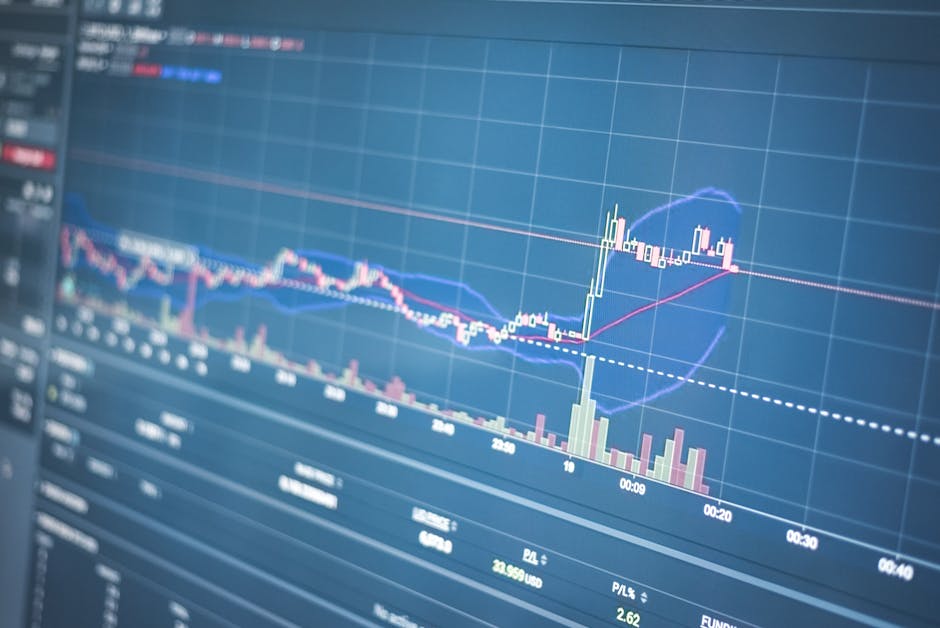
The U.S. stock market’s rollercoaster ride continued today, as Dow, S&P 500, and Nasdaq futures signaled a mixed bag in light of yesterday’s PPI inflation data, which came in hotter than expected. The Consumer Price Index (CPI) might be the most widely watched inflation metric, but the Producer Price Index (PPI) serves as a critical bellwether for businesses and investors alike – especially when it reveals a 0.3% monthly increase in wholesale prices, following a 0.5% drop the previous month. This sudden reversal of fortune has left many in the financial community wondering: what does it mean for America’s economic growth story, and how will it impact the stock market’s trajectory over the coming weeks and months?
The PPI’s unanticipated surge has sparked a wave of anxiety among investors, many of whom have been relying on a relatively stable inflation environment to inform their investment decisions. As the Federal Reserve continues to grapple with the delicate balance of interest rates and economic growth, yesterday’s inflation data has injected a fresh layer of complexity into the conversation. With the Fed’s next policy meeting just around the corner, market participants are eagerly awaiting clues as to how the central bank will respond to this new information. Will the Fed continue to tighten monetary policy, or will it reassess its stance in light of the PPI’s unexpected uptick?
For entrepreneurs and small business owners, this development serves as a timely reminder of the importance of staying nimble and adaptable in the face of rapidly shifting economic conditions. As the saying goes, ‘cash is king,’ and with inflation on the rise, managing costs and maintaining a healthy cash flow has never been more crucial. While the stock market’s immediate reaction may be of greater concern to investors, the long-term implications of rising inflation for small businesses and entrepreneurs cannot be overstated.
Setting the Stage
The PPI’s sudden reversal is merely the latest development in a larger narrative that has been unfolding in the U.S. economy over the past year. Since the Fed began its rate-hiking campaign in March 2022, markets have grown accustomed to a relatively stable inflation environment. However, yesterday’s data suggests that the economy may be entering a more volatile phase – one in which the Fed’s interest rate decisions will play an even more critical role. As the central bank weighs the need to cool inflationary pressures against the risk of slowing economic growth, investors will be closely watching the PPI’s trajectory in the coming weeks.
Against this backdrop, the stock market’s mixed reaction to the PPI data comes as little surprise. The Dow, S&P 500, and Nasdaq futures all traded within a narrow range, reflecting the complex interplay of factors that are currently shaping investor sentiment. While some market participants may view the PPI’s uptick as a positive development – a sign that the economy remains resilient and capable of growth – others are more cautious, warning that rising inflation could spell trouble for corporate profits and, by extension, the stock market.
As we delve deeper into the PPI’s implications, it’s essential to consider the perspectives of various industry analysts and experts. According to analysts at major brokerages, the PPI’s unexpected surge has injected a fresh layer of uncertainty into the market, complicating the Fed’s interest rate decisions and potentially leading to a more pronounced market correction. Meanwhile, policy bodies, such as the Federal Reserve Bank of New York, will be closely monitoring the PPI’s trajectory, seeking to gauge the extent to which inflationary pressures are building and, accordingly, calibrate their monetary policy responses.
What’s Driving This
So, what’s behind the PPI’s sudden reversal? According to a recent report by the Bureau of Labor Statistics (BLS), the PPI’s 0.3% monthly increase was largely driven by a 1.3% surge in the prices of intermediate goods, which includes everything from raw materials to manufactured goods. This uptick was, in turn, fueled by a combination of factors, including supply chain disruptions, higher energy prices, and a strengthening labor market.
As companies continue to navigate a post-pandemic landscape characterized by unprecedented supply chain challenges and labor shortages, the PPI’s unexpected surge serves as a stark reminder of the economy’s ongoing vulnerabilities. With the global economy still recovering from the devastating impacts of COVID-19, businesses have been grappling with a perfect storm of supply chain disruptions, shipping bottlenecks, and labor shortages – all of which have contributed to rising production costs and, ultimately, the PPI’s uptick.
In this context, the PPI’s reversal serves as a timely warning to entrepreneurs and small business owners to remain vigilant and adaptable in the face of shifting market conditions. As the old adage goes, ‘the only constant is change,’ and companies that fail to stay ahead of the curve risk being left behind.

Winners and Losers
As the PPI’s implications continue to unfold, some market participants will undoubtedly emerge as winners, while others will find themselves on the losing end. For companies with a strong track record of cost management and productivity improvements, the PPI’s uptick may actually present an opportunity to gain a competitive edge. By leveraging their existing cost-saving initiatives and investing in new technologies, these businesses may be able to maintain their profit margins and even capitalize on the PPI’s rise.
On the other hand, companies with high levels of debt and limited flexibility to absorb rising production costs may find themselves facing significant challenges. As the PPI continues to rise, these businesses may be forced to swallow the bitter pill of lower profit margins or even contemplate more drastic measures, such as layoffs or restructuring initiatives.
Behind the Headlines
Beyond the PPI’s immediate implications, there are several underlying trends that are worth examining. As the Fed continues to grapple with the implications of rising inflation, investors will be closely watching the trajectory of the U.S. dollar, which has been weakening against major currencies in recent months. A weakening dollar can have far-reaching implications for U.S. businesses, particularly those with significant international exposure.
Furthermore, the PPI’s uptick serves as a timely reminder of the ongoing challenges facing the U.S. manufacturing sector. With supply chain disruptions and labor shortages continuing to plague the industry, many manufacturers are struggling to maintain their production volumes and keep up with demand. As the PPI rises, these companies may find themselves under increasing pressure to invest in new technologies and optimize their supply chains – a daunting task, to say the least.

Industry Reaction
Industry reaction to the PPI’s uptick has been decidedly mixed, reflecting the complex interplay of factors that are currently shaping investor sentiment. Analysts at Goldman Sachs have flagged the PPI’s rise as a potential warning sign, cautioning that higher inflation could lead to a more pronounced market correction. However, others, such as analysts at Morgan Stanley, view the PPI’s uptick as a positive development, arguing that it signals a resilient economy and a growing market for commodities.
Meanwhile, industry groups, such as the National Association of Manufacturers, have expressed concern about the PPI’s implications for the U.S. manufacturing sector. According to Tom Linebarger, CEO of the National Association of Manufacturers, the PPI’s rise ‘highlights the need for businesses to invest in new technologies and optimize their supply chains in order to remain competitive.’
Investor Takeaways
As investors grapple with the implications of the PPI’s uptick, several key takeaways emerge. Firstly, the PPI’s rise serves as a timely reminder of the importance of cost management and productivity improvements in today’s fast-changing economy. Businesses that fail to stay ahead of the curve risk being left behind, while those that adapt quickly and efficiently will be better positioned to thrive.
Secondly, the PPI’s uptick underscores the ongoing challenges facing the U.S. manufacturing sector, including supply chain disruptions and labor shortages. As companies continue to navigate this complex landscape, investors will be closely watching the trajectory of the U.S. dollar and the PPI’s implications for corporate profits.
Lastly, the PPI’s rise serves as a stark reminder of the Fed’s delicate balancing act between interest rates and economic growth. As the central bank weighs the need to cool inflationary pressures against the risk of slowing economic growth, investors will be closely watching the PPI’s trajectory in the coming weeks.

Potential Risks
As the PPI’s implications continue to unfold, several potential risks emerge. Firstly, the PPI’s uptick may lead to a more pronounced market correction, as investors reassess their expectations for economic growth and corporate profits. This, in turn, could have a devastating impact on the stock market, particularly for companies with high levels of debt and limited flexibility to absorb rising production costs.
Secondly, the PPI’s rise may serve as a warning sign for the broader economy, highlighting the ongoing challenges facing the U.S. manufacturing sector and the potential for supply chain disruptions to impact production volumes and corporate profits.
Lastly, the PPI’s uptick may have far-reaching implications for the U.S. dollar, which has been weakening against major currencies in recent months. A weakening dollar can have significant consequences for U.S. businesses, particularly those with significant international exposure.
Looking Ahead
As the PPI’s implications continue to unfold, investors will be closely watching the trajectory of the U.S. economy and the Fed’s interest rate decisions. While the central bank has consistently signaled its commitment to cooling inflationary pressures, the PPI’s uptick serves as a timely reminder of the delicate balancing act that lies ahead.
In this context, entrepreneurs and small business owners would do well to remain vigilant and adaptable in the face of shifting market conditions. By leveraging their existing cost-saving initiatives and investing in new technologies, these businesses may be able to maintain their profit margins and even capitalize on the PPI’s rise. As the old adage goes, ‘the only constant is change,’ and companies that fail to stay ahead of the curve risk being left behind.