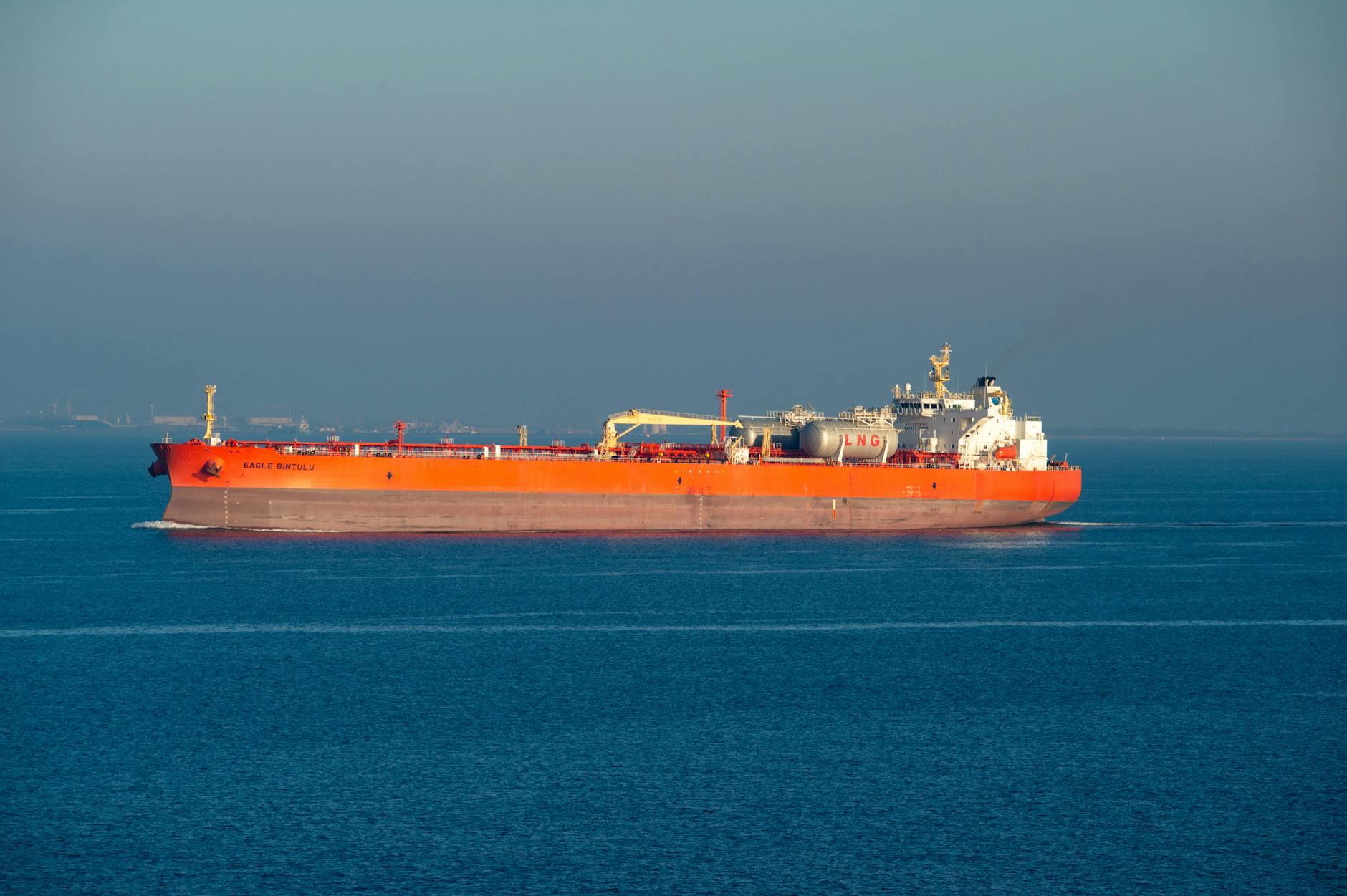
The US Gulf Coast tanker market has been making headlines in recent weeks due to a perfect storm of factors that are sending shockwaves through the global energy trade. As the world’s largest consumers of crude oil – China and India – continue to drive demand upwards, the US Gulf Coast is finding itself at the epicentre of a supply chain crisis. With key pipelines and shipping routes coming under strain, the tightness in the market is having a direct impact on entrepreneurship and business operations across the United Kingdom. For UK-based companies that rely on importing and exporting energy products, this new reality is forcing them to adapt quickly and innovate in response to the changing landscape.
What Is Happening
At the heart of the US Gulf Coast tanker market crisis is a complex interplay of factors. The main driver is the ongoing conflict in Ukraine, which has sent shockwaves through global energy markets. The resulting sanctions on Russian oil exports have led to a surge in demand for US shale oil, particularly from Asian countries such as China and India. However, the increased demand has put a massive strain on the US Gulf Coast’s refining and shipping capacity, leading to a shortage of available tankers and a subsequent rise in freight costs.
This has created a perfect storm for UK-based companies that rely on importing and exporting energy products. As prices for crude oil and petroleum products begin to rise, the cost of doing business is increasing exponentially. Companies that cannot absorb these increased costs are being forced to reduce their supply chains or seek alternative routes, leading to a ripple effect throughout the entire economy.
Why It Matters
So why should UK-based entrepreneurs and business leaders care about the US Gulf Coast tanker market? The answer is simple: the impact is far-reaching and has the potential to affect businesses across multiple sectors. From logistics and transportation to manufacturing and energy trading, the ripple effect of the tanker market crisis is already being felt.
One of the key reasons why this matters is the potential for supply chain disruptions. As companies struggle to source and transport their goods, they are facing significant delays and costs. This is not just a problem for energy companies – the knock-on effect is being felt across industries, from manufacturing to retail.
Furthermore, the impact is not just limited to the energy sector. As companies are forced to innovate and adapt to the changing market landscape, new opportunities are emerging for entrepreneurs and business leaders. Those who can navigate the complex web of supply chain and logistics challenges will be well-placed to capitalise on the opportunities that arise.

Key Drivers
So what are the key drivers behind the US Gulf Coast tanker market crisis? The answer lies in a combination of factors, including geopolitical tensions, global demand, and infrastructure constraints.
First and foremost, the conflict in Ukraine has sent shockwaves through global energy markets. The resulting sanctions on Russian oil exports have led to a surge in demand for US shale oil, particularly from Asian countries such as China and India. This increased demand has put a massive strain on the US Gulf Coast’s refining and shipping capacity, leading to a shortage of available tankers and a subsequent rise in freight costs.
Secondly, the US Gulf Coast’s infrastructure constraints are exacerbating the problem. The region’s ports and pipelines are struggling to keep up with demand, leading to delays and bottlenecks in the supply chain. This is forcing companies to seek alternative routes and modes of transport, which is adding to the complexity and cost of doing business.
Finally, global demand is playing a key role in the crisis. As countries such as China and India continue to drive demand upwards, the US Gulf Coast is finding itself at the epicentre of a supply chain crisis. This is having a direct impact on entrepreneurship and business operations across the United Kingdom, as companies are forced to adapt to the changing market landscape.
Impact on United Kingdom
The impact of the US Gulf Coast tanker market crisis is already being felt across the United Kingdom. As companies struggle to source and transport their goods, they are facing significant delays and costs. This is not just a problem for energy companies – the knock-on effect is being felt across industries, from manufacturing to retail.
In the UK, companies such as BP and Royal Dutch Shell are already feeling the pinch. With increased costs and supply chain disruptions, they are being forced to innovate and adapt to the changing market landscape. This is creating new opportunities for entrepreneurs and business leaders, but it also poses significant challenges for those who are not equipped to navigate the complex web of supply chain and logistics challenges.
Furthermore, the crisis is also having a significant impact on the UK’s manufacturing sector. As companies struggle to source raw materials and components, they are facing significant delays and costs. This is leading to a decrease in output and productivity, which is having a direct impact on the overall economy.

Expert Outlook
So what do experts think about the US Gulf Coast tanker market crisis? The answer is complex and multifaceted. While some experts believe that the crisis is a temporary blip, others see it as a long-term trend that will have significant implications for the global energy trade.
One expert who has been following the crisis closely is Professor James Henderson, an energy economist at Heriot-Watt University in Edinburgh. According to Professor Henderson, the crisis is a result of a perfect storm of factors, including geopolitical tensions, global demand, and infrastructure constraints. “The US Gulf Coast tanker market crisis is a classic example of a supply chain shock,” he says. “It’s a wake-up call for companies and policymakers to rethink their strategies and invest in new infrastructure.”
What to Watch
So what should UK-based entrepreneurs and business leaders be watching out for in the coming months? The answer is simple: the impact of the US Gulf Coast tanker market crisis will continue to be felt across multiple sectors.
One thing to watch is the development of new infrastructure and logistics solutions. As companies are forced to innovate and adapt to the changing market landscape, new opportunities are emerging for entrepreneurs and business leaders. Those who can navigate the complex web of supply chain and logistics challenges will be well-placed to capitalise on the opportunities that arise.
Another thing to watch is the impact on global energy markets. As the conflict in Ukraine continues to send shockwaves through the industry, the demand for US shale oil is likely to continue to rise. This will have significant implications for the global energy trade, and companies that are not equipped to navigate the changing landscape will be left behind.
Finally, UK-based entrepreneurs and business leaders should be watching for new opportunities to emerge from the crisis. As companies are forced to innovate and adapt, new opportunities are emerging for entrepreneurs and business leaders. Those who can navigate the complex web of supply chain and logistics challenges will be well-placed to capitalise on the opportunities that arise.